Uncategorized, Friendship

The Seasons of Staying

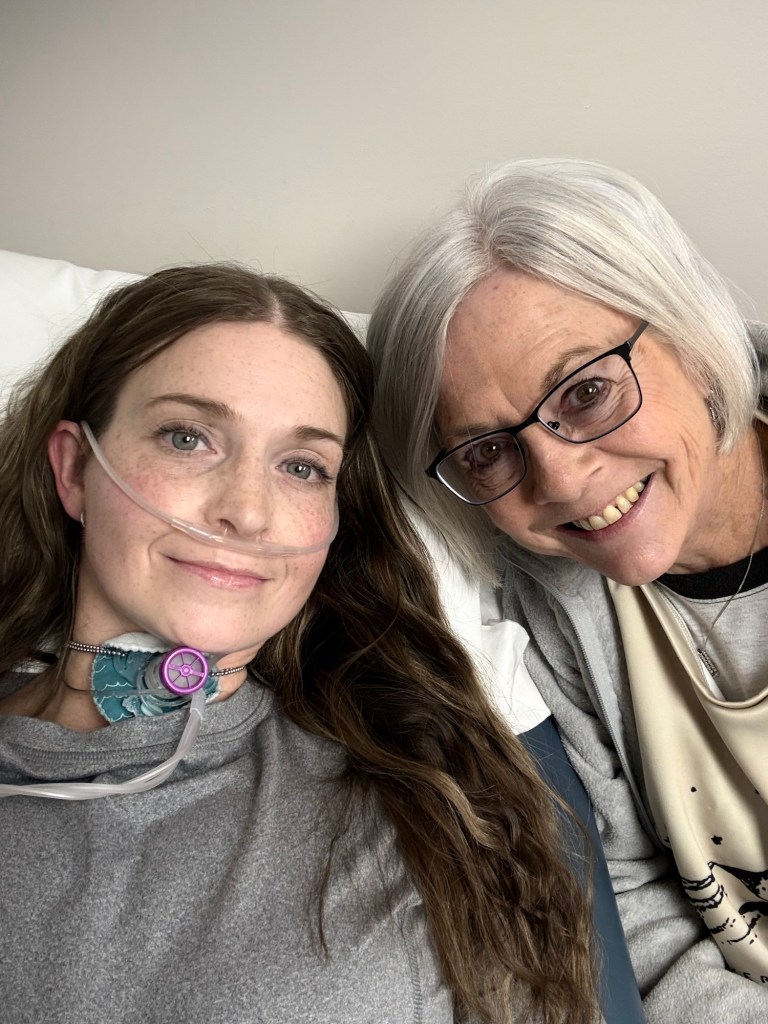
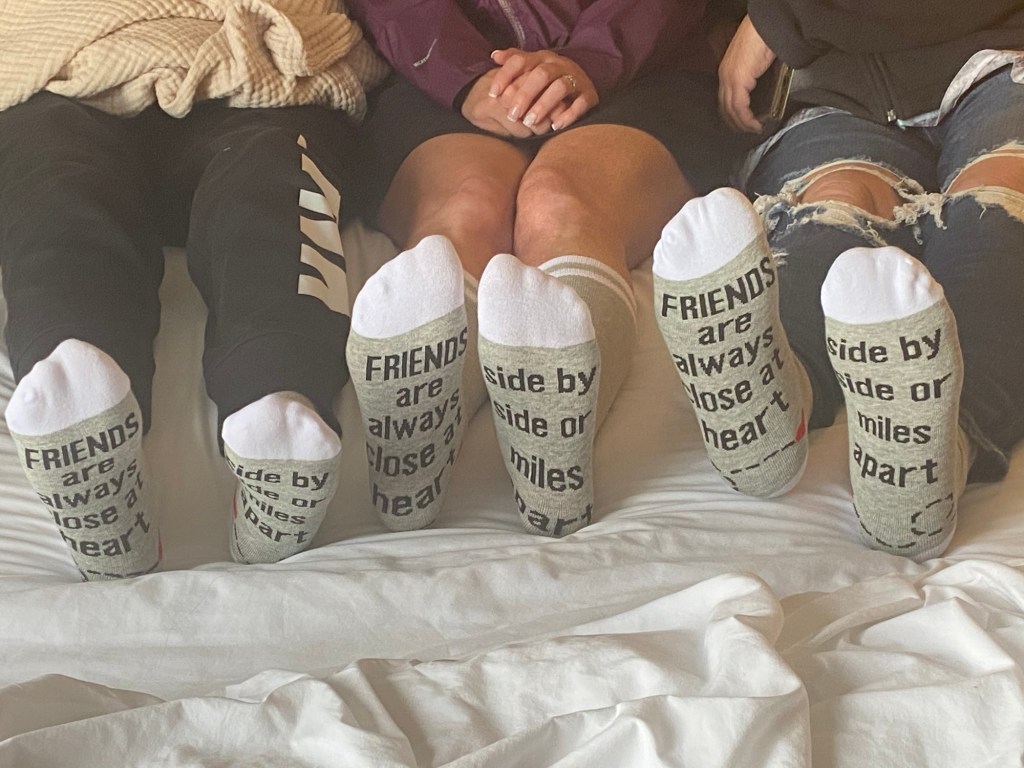
Being a friend of someone with terminal illness must be quite the roller coaster. I’ve had the privilege a few times, but never for so long a stretch of time as my illness has asked of my tribe. That in itself is a beautiful gift, but the cost of it is also not lost on me.

Being a friend of someone with terminal illness must be quite the roller coaster. I’ve had the privilege a few times, but never so long a stretch of time as my illness has asked of my tribe. That in itself is a beautiful gift, but the cost of it is also not lost on me.

There’s something both sacred and sorrowful about watching friendships move through the seasons when you are the one who is dying. In the beginning, the circle is wide — full of love and meals, visits and prayers, the kind of tender urgency that comes when people don’t yet know what to do but feel compelled to do something. It’s a holy flood of kindness, and it humbles you to your core.

But time, as it does, stretches. Months turn into years, and the edges of the circle shift. Some friends drift quietly into the background, not because they stopped caring, but because life resumes its relentless rhythm. Kids grow, careers change, and the crisis that once felt immediate now lives in the quieter corners of their awareness.

And honestly? I get it. I’ve been that friend before too — before this diagnosis rewrote my sense of time. I’ve meant to reach out and didn’t. I’ve avoided pain I didn’t know how to face. I’ve loved someone deeply and still failed to show up in the way I wish I had. So I hold that understanding now with open hands and no resentment, just a bittersweet ache that love sometimes outlasts proximity.

What’s left are the ones who stay through the long middle — not just the early crisis or the final goodbye, but the drawn-out, unpredictable middle where the reality of terminal illness stops being dramatic and just becomes life. They sit with me in the mundane. They ask the unglamorous questions. They know when to come close and when to give space. They’ve learned that faithfulness doesn’t always look like constant presence, but steady presence.

And then, there are those who come back — friends who circle in again after time away, sometimes awkwardly, often tenderly. Their return feels like mercy. It reminds me that love isn’t linear; it’s tidal. People ebb and flow in and out of each other’s lives, and that movement, too, can be grace.

I used to think loyalty meant never leaving. Now I think it means being willing to return.

So to my friends — those who have stayed, drifted, returned, or simply remembered me from afar — please know this: your love has carried me. Every text, every silence, every prayer whispered when you didn’t know what to say has mattered.

Illness has taught me that friendship isn’t measured in constant nearness but in the threads of care that remain, even when time and distance stretch them thin.

If I could sum it up, I’d say this: the seasons of friendship are not a sign of failure, but of humanity. And what a fragile, beautiful, sacred thing it is to be human together — even in the shadow of goodbye.

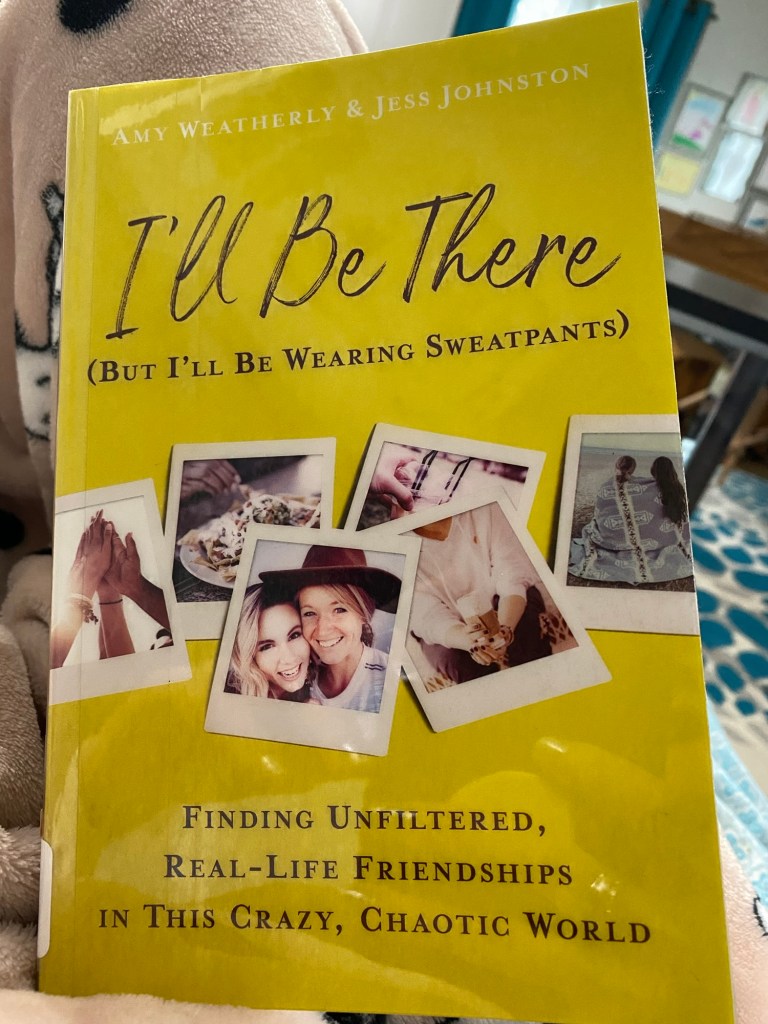
One of my all time favorite reads!

Uncategorized

The Dusty Stethescope

Sleep evaded me again last night.

I reached for distraction—scrolling through ideas for Christmas gifts for my people. When I searched for something for my young STNA/up-and-coming physician, I stumbled upon a site selling the most beautiful stethoscopes I’d ever seen.

Colors like jewels.

Patterns like joy.

One in particular caught my eye—a swirl of pink animal print and sharp, gleaming purple— shining with all things girlish and lovely. And for a brief flicker, right before unconscious thought becomes awareness, I mused, “this is the one I’ll ask for next time.”

But then—

my heart caught up to my body.

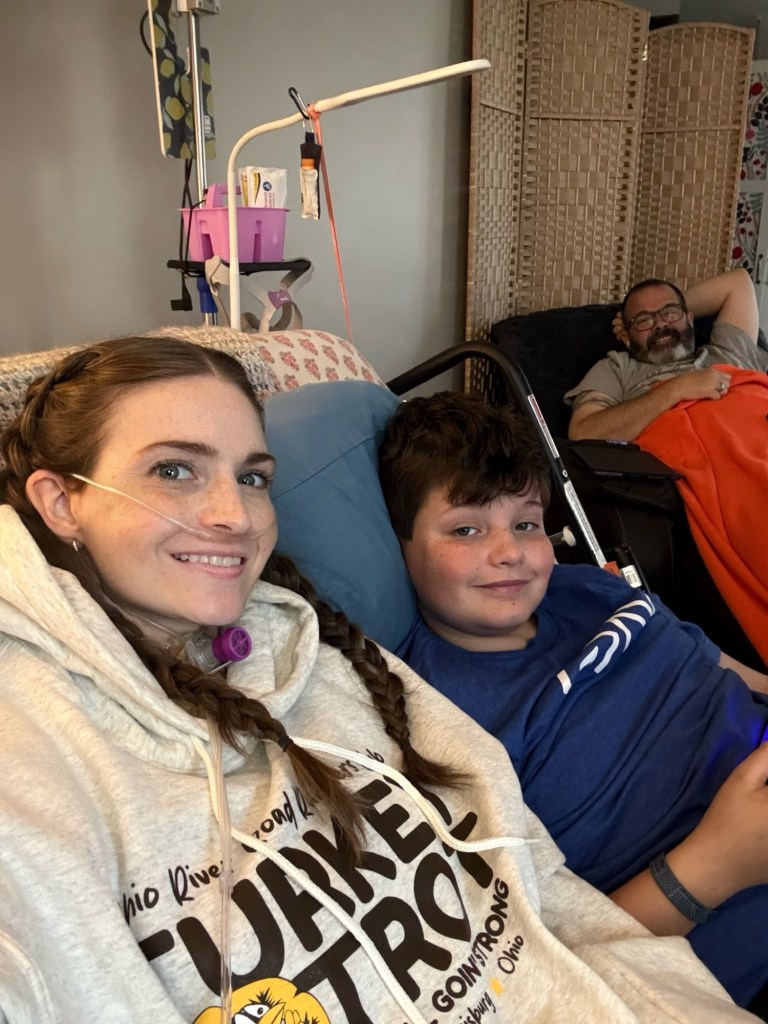
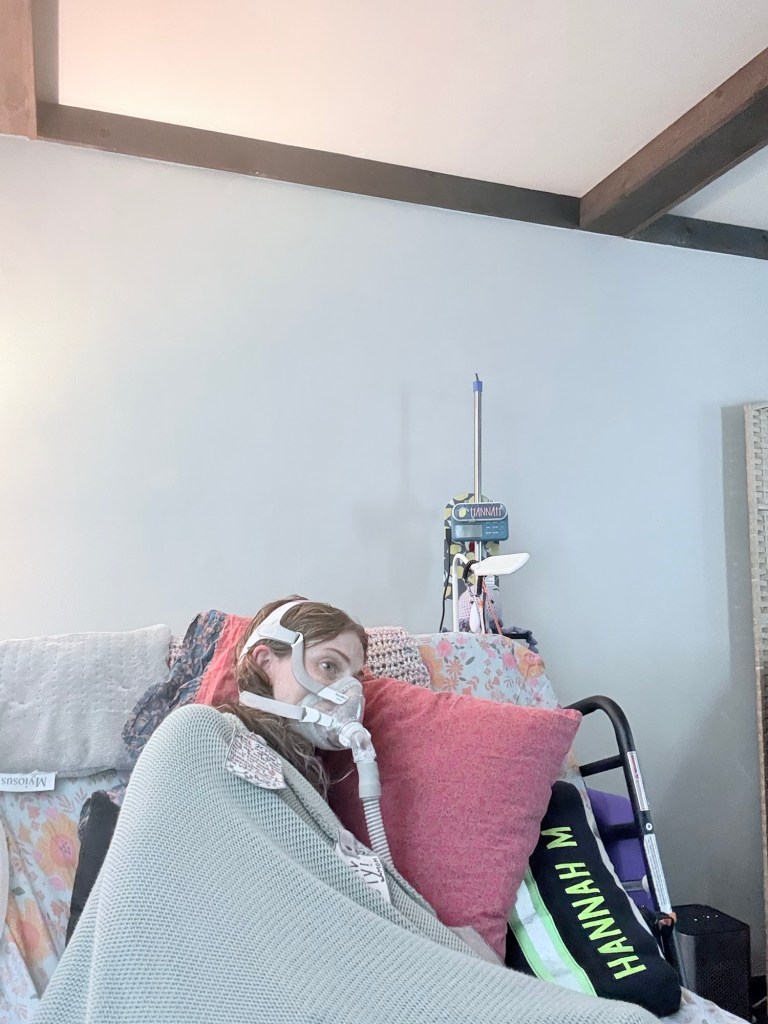
And I remembered where I was sitting: in my hospital bed at home, a ventilator mask pressed against my face, small plastic cups of pills lined neatly beside me, guarding against the next wave of breathless panic.

In the thick, holy silence of 2 a.m., I swear I heard the sound of my own heart dropping back into the deep, heavy truth of reality.

I will not be needing a new stethoscope.

Not now, not ever.

No more pressing the cool bell to a grandmother’s arm, listening for the soft rhythm of life beneath her paper-thin skin.

No more playing peekaboo with wide-eyed children, pretending it’s a game while I listen carefully to the music of their lungs.

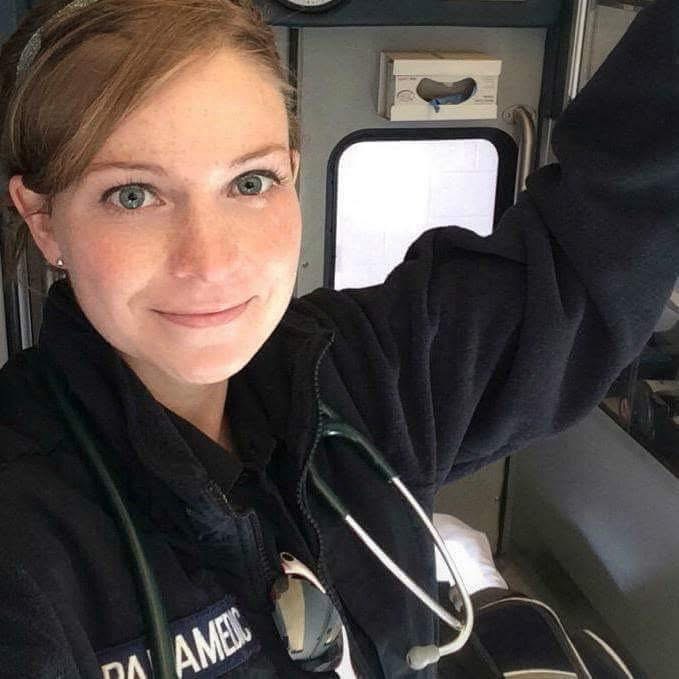
Those days—those glory days—hang preserved behind glass, my green stethoscope draped like a memory across the frame. The strength that once carried me into the chaos of sirens and smoke has long since ebbed away, leaving behind a body most people only know in its fragility, not its former fire.

Suffering has a way of testing what our hearts truly believe.

It presses heat against the places where we’ve built our sense of strength.

And when suffering comes for the strong, it is often met with anger—

not at the pain itself, but at the theft of power.

On my hardest days, I don’t find myself begging for suffering to stop.

I find myself begging for strength to return.

That’s the honest prayer.

Not fewer storms—just stronger arms to stand in them.

And yet, even that desire reveals how frail my own strength really is.

Paul puts it even more vividly;

“We always carry around in our body the death of Jesus, so that the life of Jesus may also be revealed in our body.” (2 Corinthians 4:10)

We love strength.

We polish it, parade it, protect it.

And when it’s gone, we question the goodness of God.

But I am learning—slowly, painfully—that the taking of strength is grace.

Grace that empties my hands of what I thought I needed,

so that I might cling more tightly to Jesus.

Now, as I face this new season of weakness,

with tiny bursts of ability to go and do,

I ask myself: how will I use this small strength?

I’ve been praying—for hunger on my well days.

For Scripture to taste sweeter.

For my heart to grow restless for the things of God.

For apathy to break, for grace to deepen.

And when suffering returns—as it will—

may my heart be ready to receive it.

To whisper, thank you, Jesus, for entrusting me with this new hard.

Help me be faithful in it.

Help me reflect your goodness in the ache.

Let me be a mirror of grace—

a witness to the beauty that lives

in the losing of strength,

and the finding of You.

grief

Midnight Tears

In the ink-black hush of night, I lie awake, my body heavy with fatigue and pain, my heart a storm of grief and longing. Tears fall in quiet rivers, tracing the contours of sorrow I cannot name. I weep for my husband, for the weight this life presses upon him. I weep for my adult children, for the precious hours I wish I could stretch into eternity, to know them more fully, love them more completely. And I weep for my twelve-year-old boy—for the tender, unspoken ache of a mother who knows she cannot protect him from everything, and who feels the relentless pull of her own mortality. There are no words to capture this deep, trembling sorrow.

Yet even in this darkness, there is something sacred. Pain and wonder sit side by side in the same trembling heart. In these midnight moments, when the world is hushed and the stars are silent witnesses, I feel the faint brush of God’s own breath upon me.

As the dark gives way to morning’s first light I walk with my boy through grief toward hope, whispering truths we both need to hear: that this life is but a blink, fleeting, whether our days end at thirty or a hundred and five. None of us are promised tomorrow. Today is the gift—and even suffering, piercing and raw, is not wasted. It is the means by which God presses treasure into our hearts, treasure that lasts beyond the fleeting pulse of this world.

So I hold my boy’s hand and I murmur lessons meant for both of us. That Jesus is enough. That our story does not end in a hospital room or a grave. That heaven is not an escape, but a home we were made for, and sorrow is merely the shadow that makes its light possible.

faith

Brave Was Never the Plan

I had a new nurse come visit me last week. He was honest, kind, and thorough — asking all the usual questions about my medical history; the twists and turns that brought me here. I’ve learned to tell that story in pieces now, almost like reading from a well-worn script. When I finished, he sat back in his chair and said softly, “You’re really brave.”

He said it again before he left. And I smiled, but inside I felt a strange ache. Because I don’t feel brave. Not even close.

Most days, I feel like I’m just hanging on for dear life — doing the next thing because there is no other choice. Take the medication. Show up for the appointment. Face the pain. Rest. Repeat. There’s nothing glamorous about it, and most of the time, it doesn’t feel like courage; it feels like survival. The kind of survival where you’re digging in your fingernails, white-knuckling hope like your life depends on it, because it does.

But maybe, just maybe, God sees it differently.

I think about how often Scripture tells us, “Do not be afraid.” It’s not because life is easy or because fear never knocks at our door — it’s because God promises to be with us in it. Maybe bravery isn’t the absence of fear or the strength to charge forward. Maybe it’s the quiet trust to take one trembling step at a time, believing that God’s hand is steadying us, even when our own knees are shaking.

There are days when my prayers are nothing more than whispered sighs — “Lord, help me through this hour.” There are nights when I’m too weary to pray at all, and all I can do is rest in the truth that the Spirit intercedes for me when I have no words left. And maybe that’s what real courage looks like: surrendering the illusion of strength and leaning instead into the grace that holds me together.

I don’t feel brave, but I am learning that bravery doesn’t always feel like bravery. Sometimes it looks like showing up. Sometimes it looks like tears. Sometimes it looks like still believing that God is good, even when life doesn’t feel good.

If someone calls me brave, maybe what they really see is the reflection of God’s faithfulness — the way He sustains a soul that should have fallen apart by now. I’m learning to take that as a quiet reminder: this story isn’t about how strong I am, but about how faithful He is.

So no, I don’t feel brave. But I keep going. And by God’s grace, that’s enough.

Gratitude

The Gift of Time

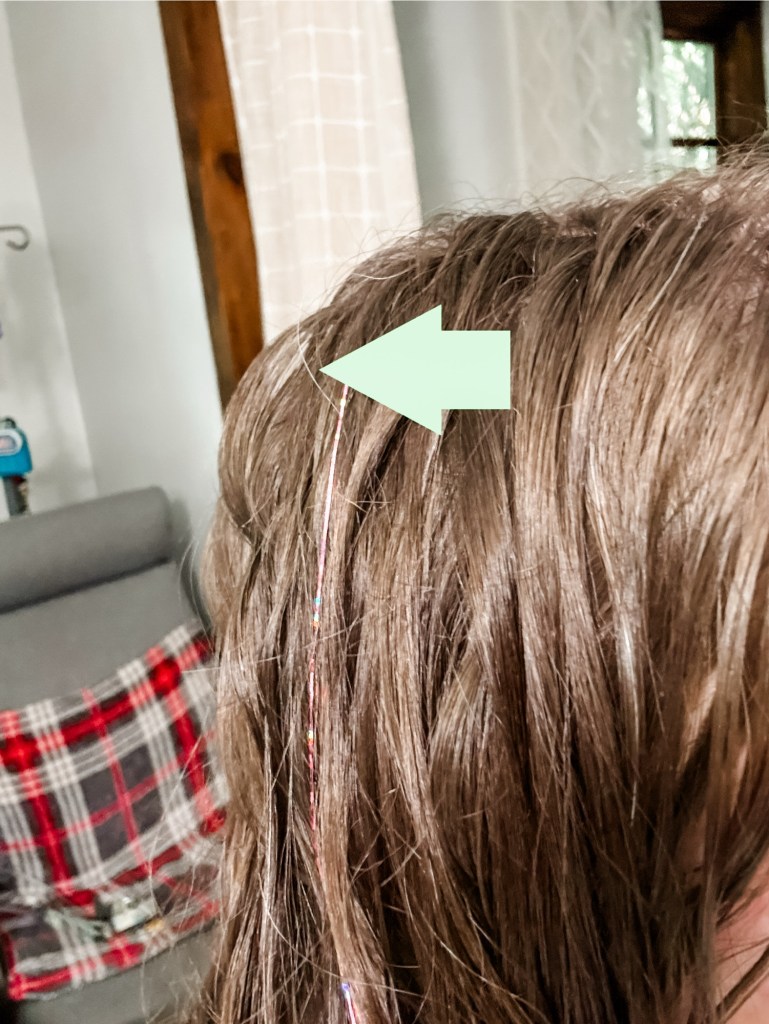
About a week ago I discovered my first real, here-to-stay gray hair. At about an inch and a half long, the silvery strand sparkled in the light, and I squeaked with delight. I have been waiting for this day!

It felt almost holy, that moment of noticing what the world often calls a flaw but what Scripture calls a crown. The Bible says, “Gray hair is a crown of glory; it is gained in a righteous life” (Proverbs 16:31). A strand of silver is not something to pluck away or hide in embarrassment—it’s a shimmer of honor, the whisper of years lived and stories carried, a reminder that time is a gift.

The world tells us that beauty belongs to the young, but God tells us that beauty deepens with age. Every laugh line is a history of joy. Every crease carries the memory of burdens borne and released. Every gray hair gleams with testimony: of lessons learned, of prayers prayed, of nights endured and mornings met with new mercies.

Aging is not the dimming of the light, but the soft glow of it spreading, warming, illuminating. It is not a loss—it is a gathering. We gather wisdom, we gather perspective, we gather gratitude for the fleetingness of days and the eternity that awaits beyond them.

To age is to live long enough to love more deeply, to forgive more freely, to see life with eyes unclouded by the urgency of youth. It is to carry within us the sacredness of experience, the sweetness of perspective, and the quiet strength of having endured.

So when I see that little silver thread sparkle in the mirror, I do not feel embarrassed. I feel crowned. Crowned with grace, crowned with wisdom, crowned with the reminder that my days are in His hands and that every year is a jewel added to the story He is writing through my life.

Fun with gray

Aging is not something to hide. It is something to honor. Something to embrace. Something to rejoice in.

Because every gray hair is not just a strand—it is a song of God’s faithfulness woven into us, shimmering with glory.

faith, Fatal Illness, grief, hope

Already Gone, Still Here

In the lonely slowness of the in-between, I have discovered something deeply human. A kind of fierce clarity about what matters. An urgent desire to stop faking things just so others won’t be uncomfortable. A pressing yearning to stop wasting words. I can already see who stays. And who doesn’t. Why then do I go to such lengths to create a mirage of okayness so that other people don’t have to reckon with my pain? Why do I smooth over the truth, soften the edges, laugh at the wrong moments—just to make grief more palatable for them?

I think it’s because pretending is the currency of the healthy world. We’re taught to keep things light, manageable, convenient. And when you live in the long shadow of a fatal illness, your reality becomes deeply inconvenient. It disrupts dinner parties. It silences group texts. It taints the joyful camaraderie of a birthday party and unsettles the rhythm of everyone else’s forward motion.

So I contort myself. I wrap my fear in polite phrases. I pad my sorrow with jokes. I give updates that are vague but upbeat. I try not to be too much.

But the cost of that mirage is high. It leaves me lonelier than the illness ever could.

Because here in this slow unraveling, there’s a strange and sacred gift: honesty. The kind that doesn’t flinch. The kind that strips everything down to what’s real and raw and enduring. The kind that doesn’t need to be tied up in a bow.

I’m learning—painfully, awkwardly—that the people who can sit with the truth, even when it’s heavy, are the ones who deserve a front-row seat to what’s left of my life. The rest, kindly, can drift.

This in-between space? It’s not just waiting to die. It’s where I’m learning how to live.

And it’s beautiful and sacred and so much richer than the plot points I would have imagined for my life, and if I am worthy enough to be used for His glory in this way, then I dare not try to contort the storyline that I was written into- one that is not defeat, but is my final triumph.

This is my sacred stage to shine for Jesus- to show a watching world that He is true and every word He spoke is sure. So I will be clinging to His promises like breath itself until my breath is nothing more than the stringy shadow of a vapor hanging suspended in nothingness. If I do that alone then I know it was done with the most honest of intentions, not for the sake of trying to fit into one of the many molds this world would have me choose.

To those of you who were courageous enough to sit near and take fire based on your proximity, I thank you, and I commend you. Know that you did something holy. You didn’t fix it. You didn’t have to. You just stayed—when leaving would have been easier, cleaner, safer. You let the silence speak. You let the pain breathe. You let me be more than just my label.

Know that your presence has been a lifeline. A quiet rebellion against the cultural pull to look away, move on, keep scrolling. You bore witness when I felt invisible. You carried pieces of my grief in your own hands, and somehow, that made it more bearable.

You may not realize the impact you’ve had, but I do. And I will carry the weight of your kindness with me for as long as I have breath.

This long goodbye is not just mine to live—it’s ours to hold. And I am so deeply grateful for those of you who chose to hold it with me.

faith, Uncategorized

Even now

How will we make it through this? The valleys we walk may bear different names, but at the beginning of the trailhead we all have a choice to make.

I once chose with clenched fists, fueled by grief, driven by fear… maybe you have been there too. But hear me now, not from the mountaintop, but from the shadowed lowlands, where echoes of pain still linger—choose the better way.

To those who call Jesus Lord: we proclaim a Kingdom not built by hands, not tied to decades past or decades to come. No power of earth can shake what is secure in Him. This is not a call to passivity— but perhaps an invitation: learn the stillness of the soul.

Not silence for silence’s sake, but a reorienting, a returning to the Way that is higher, slower, deeper. God has been faithful—not because all is mended, not because we have been spared, but because He never left.

Each day aches like fire, and still, Jesus is good.

Each prayer rises desperate, and still, Jesus is near.

His nearness is not held hostage to the outcomes I crave. Call me foolish, if you must. I am learning to care less for opinions, and more for people, because Jesus is shaping my heart for a Kingdom not made of noise.

God’s goodness is not measured by the speed of escape from sorrow. Whether I have months or years this I know:

Jesus is here. He is good. And gently He whispers: “Be still, and know that I am God.

So in your valley will you stop, just for a moment? Turn from the scroll, the post, the panic, and let your soul lean toward Him. Even here, where fear stirs, where anger brews, there is joy. Because love remains, and He is near.

Even now, I can say with trembling lips: It is well with my soul. He is God. And He is good.

Uncategorized

Even Here

I decided today was shower day. With a broken wrist and low energy, some days are arranged to be less involved than a whole shower, but today it was time for the real thing.

Sitting on my chair in the shower I made a mental note to myself, “figure out how to get pumps for my shampoo and conditioner bottles; it’s getting hard for my hands to squeeze anything out of them.” I didn’t realize I had bigger problems than that.

As I finished up washing and reached up to scrunch the water out of my hair with my good hand, my arm banged back down onto my lap. I tried twice more, but couldn’t lift my arm high enough to squeeze the water from my hair. I decided to just dry off and deal with it outside the shower. Then came the realization that neither could I reach for my towel to dry off. I sat in the shower, dripping wet, unable to do anything for myself, and something broke inside.

Fortunately my husband was close enough by to hear my raspy call for help, and he came to my aid. As he did for me what I had done for myself for at least the past 37 years, tears mixed with the shower water that dripped down my face. “It’s not fair,” I croaked.

The words felt both childish and truer than anything I’d said all week.

This wasn’t how it was supposed to be. I wasn’t supposed to need help with something as basic as drying off. I wasn’t supposed to be this tired, this fragile, this dependent. And maybe most of all, I wasn’t supposed to feel so small—so cracked open by something as simple as a shower.

But there in the tension between frustration and fatigue, my heart whispered what my mouth could not: “Even here, Lord?”

Even here, when my wrist is broken, my body is weak, and my heart is weary?

Even here, when I don’t recognize this version of myself?

Even here, when I feel like more of a burden than a blessing?

And somehow, though He didn’t speak aloud, I felt the answer settle in deeper than my bones: Yes. Even here.

Even here, He is present.

Even here, He is faithful.

Even here, He is not confused about my story.

It’s one thing to trust God when everything makes sense—when my strength is intact, when my routines are predictable, and my body does what I ask of it. It’s another thing entirely to trust Him when nothing is working and I’m wrapped in a towel I couldn’t even reach on my own. It is a hard-fought trust that doesn’t come naturally.

But I’m learning that this is a holy place too.

Not polished. Not powerful. Just painfully human—and held.

There is a strange kind of worship that happens when we let God meet us in our brokenness without pretending we’re fine. When we let the tears fall and still say, “I trust You anyway.” When we acknowledge the ache and still choose to believe He’s working all things for our good.

I don’t understand all He’s doing. I don’t love the limitations. But I know the One who has never wasted pain, never abandoned His people, and never made a mistake. And if He’s allowing this part of the story, then somehow—even this—is being woven into something eternal.

So today, in a soaked towel and salty tears, I’m offering Him what I have: my honesty, my surrender, my broken trust trying to be whole.

Because even here, He is worthy.

Even here, He is good.

And even here, I still believe He knows exactly what He’s doing.

grief

Bingo, Ice Cream, and the Bitter Gift of Missing Out

For several weeks I have been looking forward to this past Sunday. It was a chance to not only go to church in the morning, but then in the evening it was our quarterly meeting plus Ice cream and bingo, and I was excited to see so many of my people. And then MSA.

It didn’t take long to recognize that I was going to have to choose wisely what to use my energy on that day. Pain has been searing out of control more often than not lately, and Sunday morning there was no reprieve. I decided I had a better chance of making it Sunday night if I stayed at home and watched the morning service online, which I did, and then rested throughout the day.

As afternoon faded into evening however, it became clear that my body was not going to tolerate a car ride or anything else. The plans I had so carefully paced myself for began to crumble before my eyes. And with that, came the sting of disappointment—sharp and real.

I wish I could say I shrugged it off with grace, that I whispered a quick prayer and moved on. But instead, I wrestled with it. I grieved the loss of what felt like a lifeline that day. I missed my people. I missed being in the room, surrounded by familiar laughter and shared stories and the simple joy of ice cream and bingo. I missed being seen.

That’s the thing about disappointment—it sneaks in and tries to convince you that you’re forgotten. That everyone else is moving on without you. That your suffering sets you apart in the worst way.

But here’s where faith steps in and steadies the soul.

God doesn’t minimize our losses, and He doesn’t rush us through our grief. He meets us right in the ache. As I sat alone in my living room that night, I remembered the One who never misses a moment. The One who knew I would be here, again. The One who catches every tear and counts every pain-ridden hour as precious.

Crushing disappointment doesn’t get the final word. Not when we serve a God who promises beauty for ashes and joy in the morning. Not when He reminds us that He is our portion, not a perfect evening, not our best-laid plans. Him.

So, I went to bed that night not having seen the people I love, not having laughed over silly bingo cards, not having been part of the fellowship I was so looking forward to. But I went to bed held. Known. Carried. And even in the disappointment, maybe especially there, I was not alone.

And that’s enough.

grief

Trusting God as the Table Changes

Despite often not having much of an appetite, that has not slowed my consumption of Ben & Jerry’s ice cream, or homemade yogurt, or anything really that resembles the flavor of a pickle. Until today. It was a waffle. A delicious, crisped-to-perfection sourdough waffle with butter and syrup was the red flag that put a stop to eating as I knew it. Truthfully I had noticed over recent weeks that bites were getting caught in my chest and being stubborn to go down, but I had been dismissing it as too big of a bite, or not enough chewing. That was wishful thinking. After a brief check-in with my speech therapist, she confirmed that the dangers of eating by mouth now outweigh the benefit. Fortunately for me I have already had feeding tubes placed for a few years now as my inability to absorb nutrients became a bigger problem. 

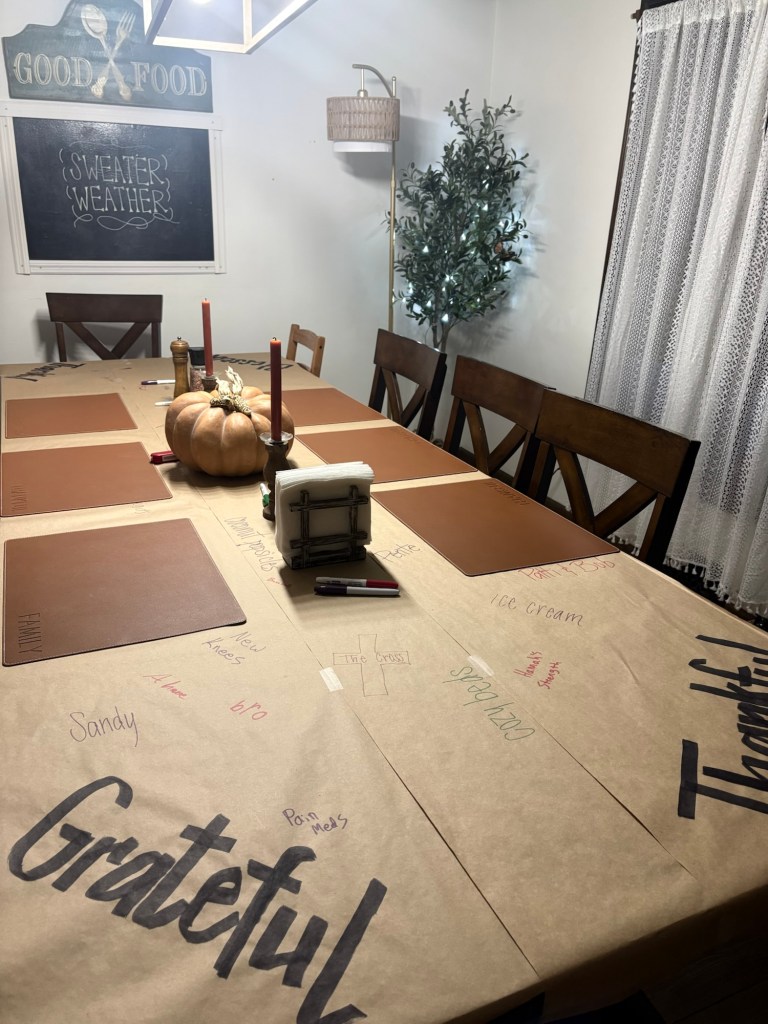
So this isn’t entirely unfamiliar ground for me. Still, hearing those words—that food by mouth is no longer safe—hit me in a way I didn’t expect. It’s not just about waffles or yogurt or pickles. It’s about the little pleasures, the ordinary gifts I’ve often taken for granted. The lit candles at my dinner table. The joy of sitting down to eat with others, the taste of something warm and comforting, the way food brings people together. That chapter is closing, and I find myself grieving the loss of it.

But grief, for me, never has the final say.

As I sat with this news today, a quiet truth settled in my heart: I am not sustained by waffles. I am not even ultimately sustained by feeding tubes. My sustenance comes from the Bread of Life—Jesus Himself. He alone satisfies the deepest hunger of my soul. The world may see this as loss, but in Him, there is gain. Not in a shallow, “look on the bright side” kind of way, but in a rooted, unshakable truth that His grace is sufficient for me—even here.

Scripture tells us, “Though outwardly we are wasting away, yet inwardly we are being renewed day by day” (2 Corinthians 4:16). My body may be failing, piece by piece, but I am being upheld, day by day, by the One who does not grow weary. I have tasted and seen that the Lord is good—and that is a flavor I will never have to give up.

So while I may no longer get to enjoy the crispy edges of a sourdough waffle, I rest in the promise of a coming feast—one prepared for me by the King Himself, where no illness, no brokenness, and no feeding tubes will ever be needed again.
Until that day, I will keep showing up to the table of His grace. Because He still meets me there.