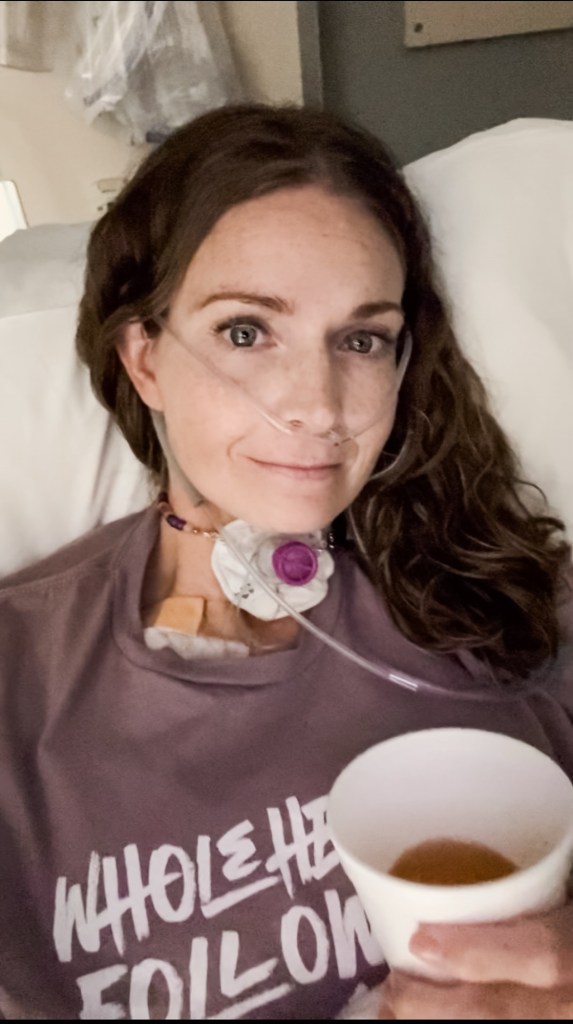
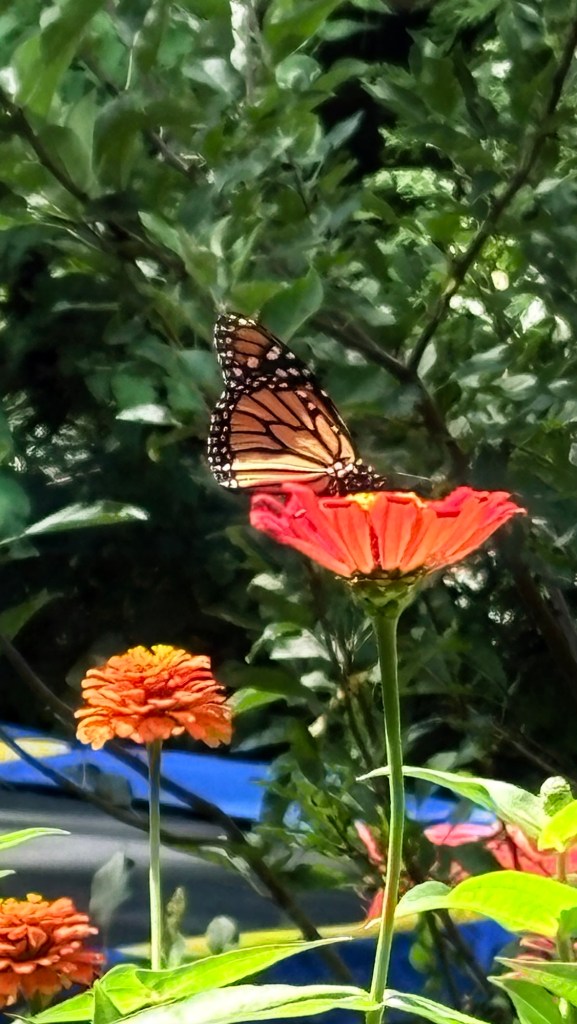
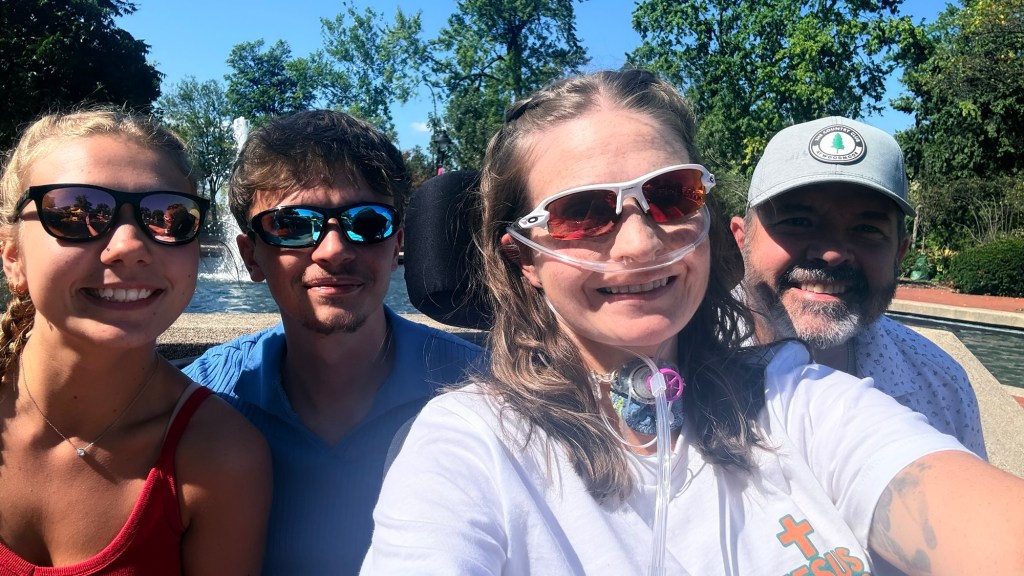
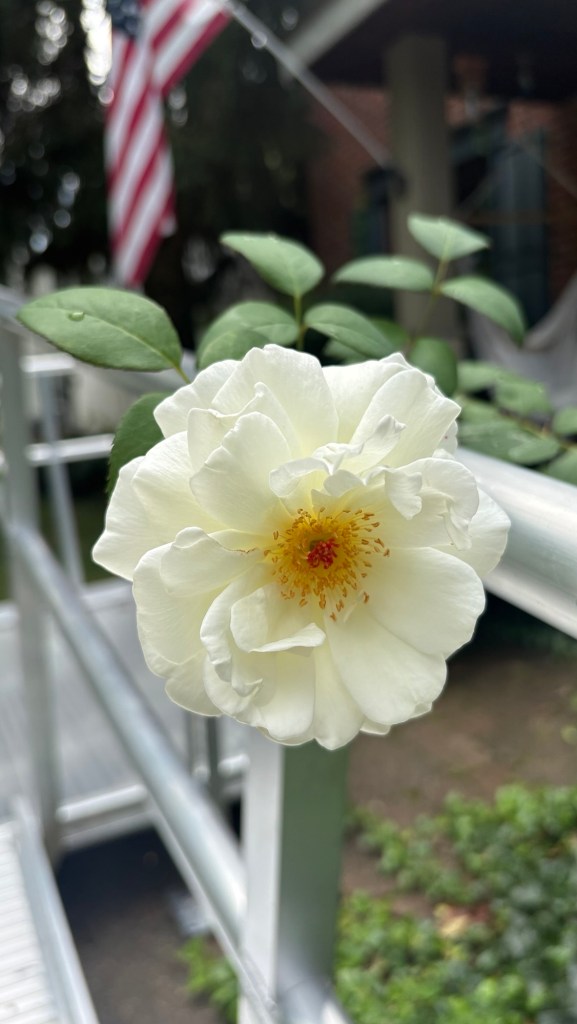
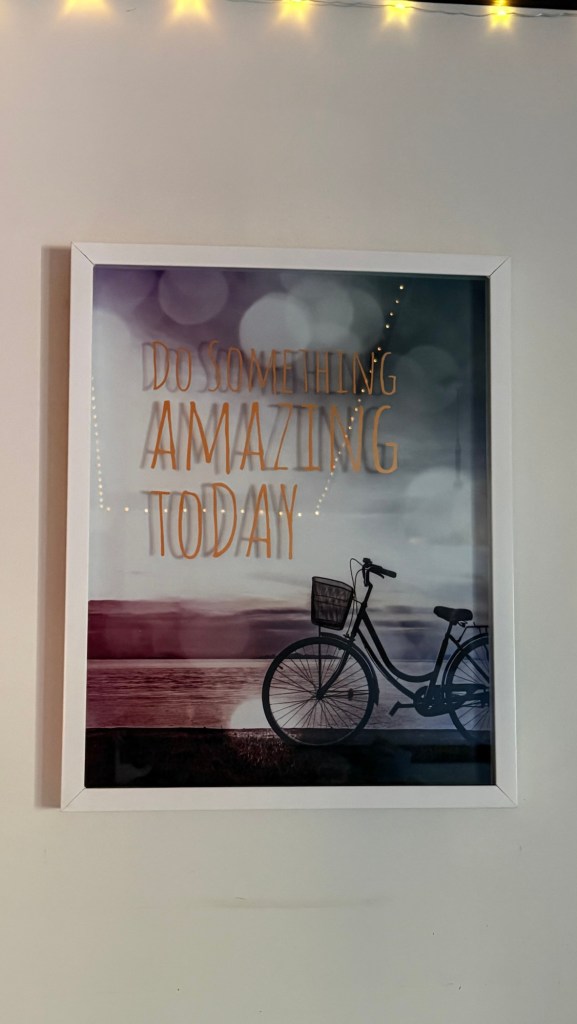
This week brought uncharted territory; fertile ground for anxiety, fear, worry, and doubt. Yet in the undertow of circumstances far beyond my control, the steady hum of peace and quiet miracles is what left the boldest impression on my heart. Proof again that looking for God’s grace to show up even in the hardest, messiest, ugliest places will never disappoint.
It is so easy to let the noise of the unknown drown out the gentle ways we are being held. When the landscape of my life shifts overnight, my natural instinct is to scramble for control, to brace for the impact of worst-case scenarios. Intend to fixate on the storm itself rather than the anchor holding me fast. But when I slowed my breathing and adjusted my gaze, the shift in my perspective was immediate.
Grace didn’t wait for the mess to be cleaned up before showing up; it met me right in the middle of it. It appeared in the faithful prayers of an army of friends, the perfect provision that I initially mistook for inconvenience, the intentional timing of lyrics and scriptures, and the small, unmistakable moments where an unexplained calm settled over my soul. These weren’t loud, earth-shattering interventions—they were quiet miracles. Whispers reminding me that even when life feels completely unpredictable, God remains unfailingly constant.
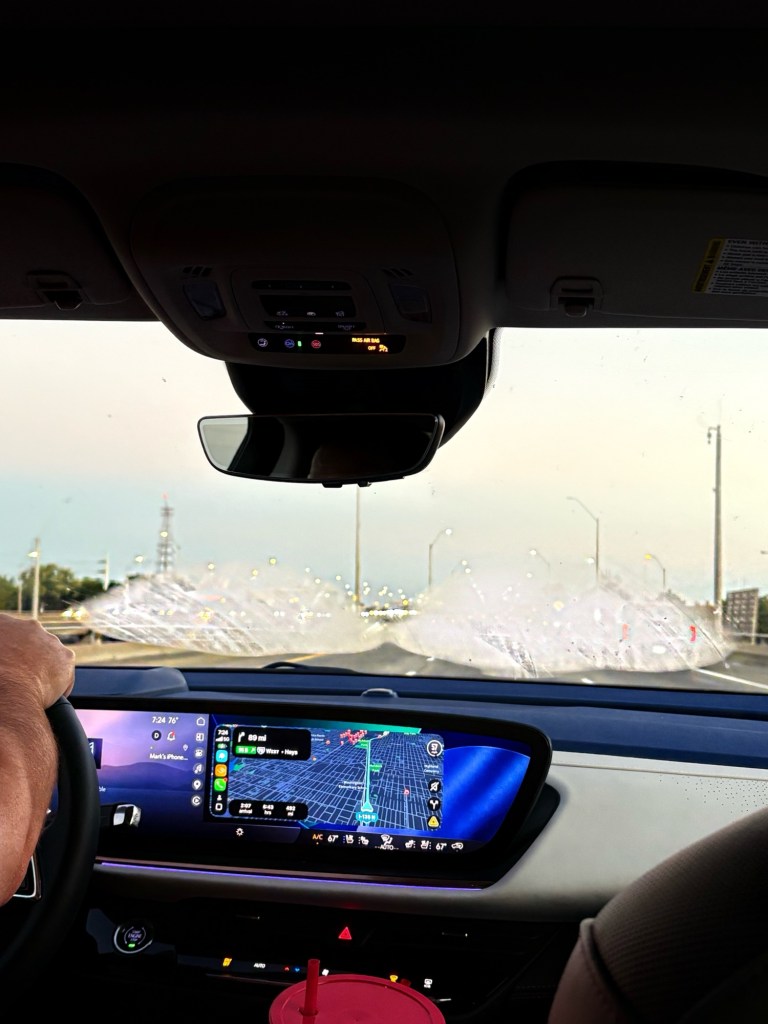
Angel-shaped fog on the windshield
Looking back on these past seven days, I realize that peace isn’t the absence of trouble—it’s the presence of God within it.
If you find yourself navigating your own uncharted territory right now—if you are carrying worry that feels too heavy or facing a situation you cannot fix—I encourage you to lift your head. Don’t look for the outcome you think you need; look for the grace that is already there. Search for it in the small things, the ugly places, and the messy moments, and then remember it. Write it down, snap a picture, tell a friend. I promise you, you won’t have to look far.
It’s been a while since I’ve shared a few of my favorite things. You’re in for a treat!
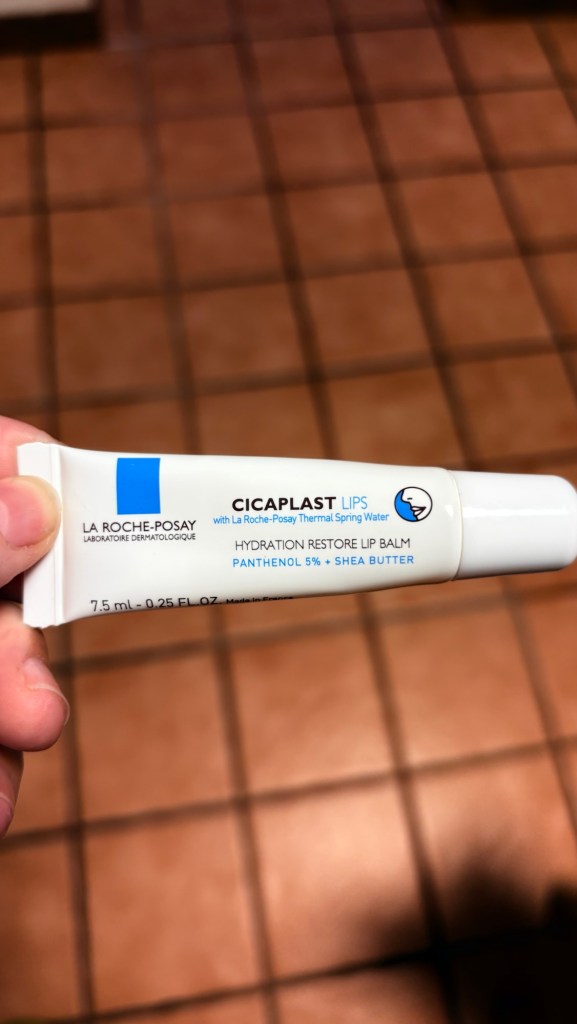
It’s that time of year where my lips always get crackly, and I’m forever trying to find a lippie that actually helps heal them instead of just drying them even more. And if you know me, you know I’ve tried a lippie, or 200. This one might finally be it! It’s smooth instead of sticky or greasy, it’s unscented and uncolored, and it does an excellent job of sealing in moisture from the moment you apply it. For guys and girls alike; when your lips are doing battle with the driest parts of the year, give this a try; I think you’ll be pleased. Least expensive I’ve seen it is $6.98 on Amazon. Yes, it costs more than your run-of-the-mill chapstick but it’s also not your run-of-the-mill chapstick!
I was not expecting to need a junk hauling service, but after our basement flooded with sewage we had quite a few pieces of furniture and stuff that was ruined and contaminated and needed to be disposed of. I called 4 different companies. I was shocked by how unprofessional some of them were, and then I came across Jireh Junk Haulers. From the intake phone call, to the “we are on our way” phone call, to the respectful, quick, and thorough way they got everything cleared out, they earned a 10/10 in my book. And they offer a military discount as well!
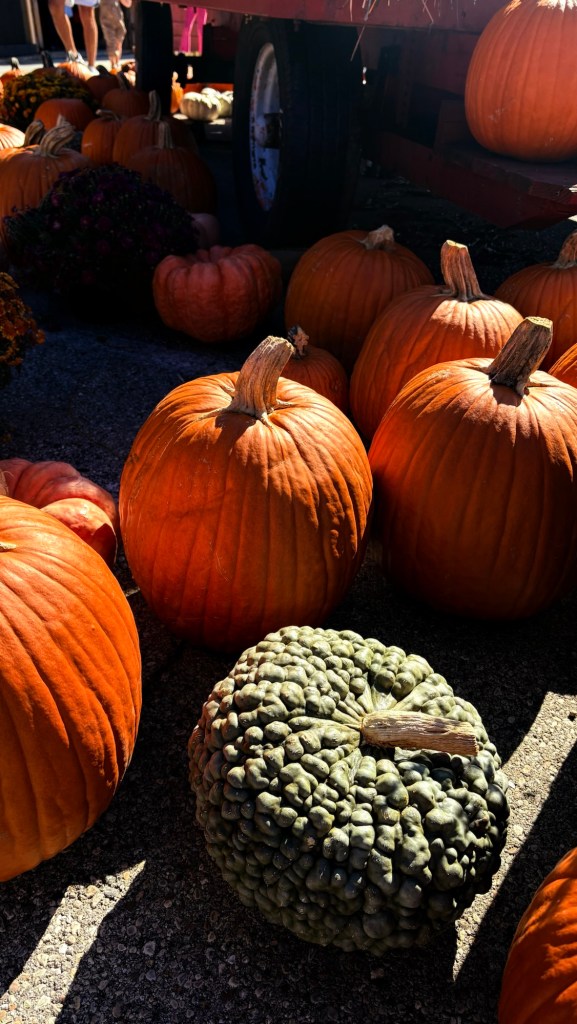
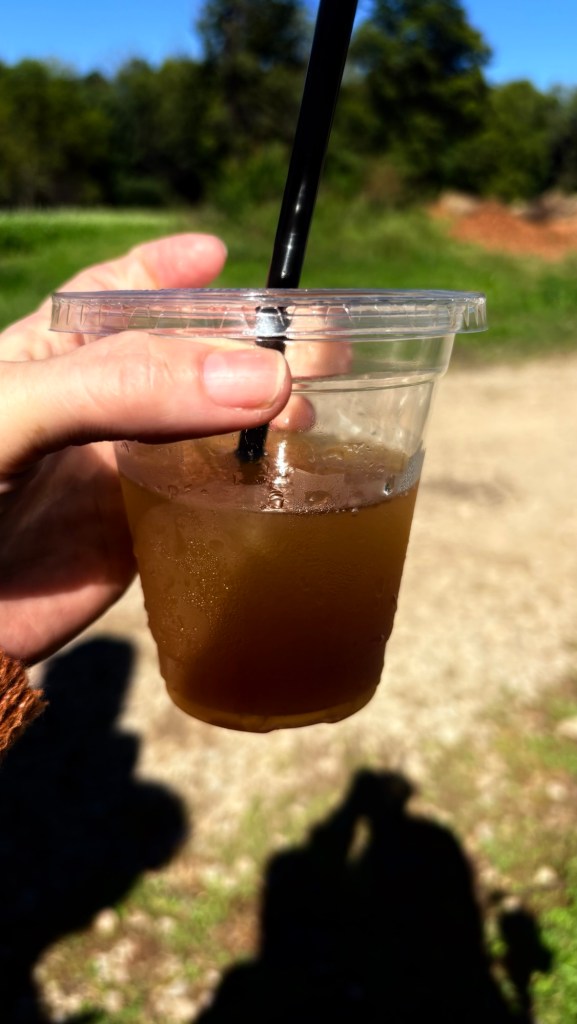
If you are local and have never been to Hidden Valley Orchard in Lebanon Ohio, here’s your sign to make this your new Fall tradition. The sunflower fields are gorgeous, the pumpkins are remarkable, the farm animals are adorable, and this spiked apple cider slush will win over even the most committed pumpkin spice latte lover as the Fall flavor craving that simply must be indulged. It’s crisp, refreshingly cold, and the flavor is so smooth and dessertish you won’t even realize you just downed a shot of caramel vodka a little too fast.
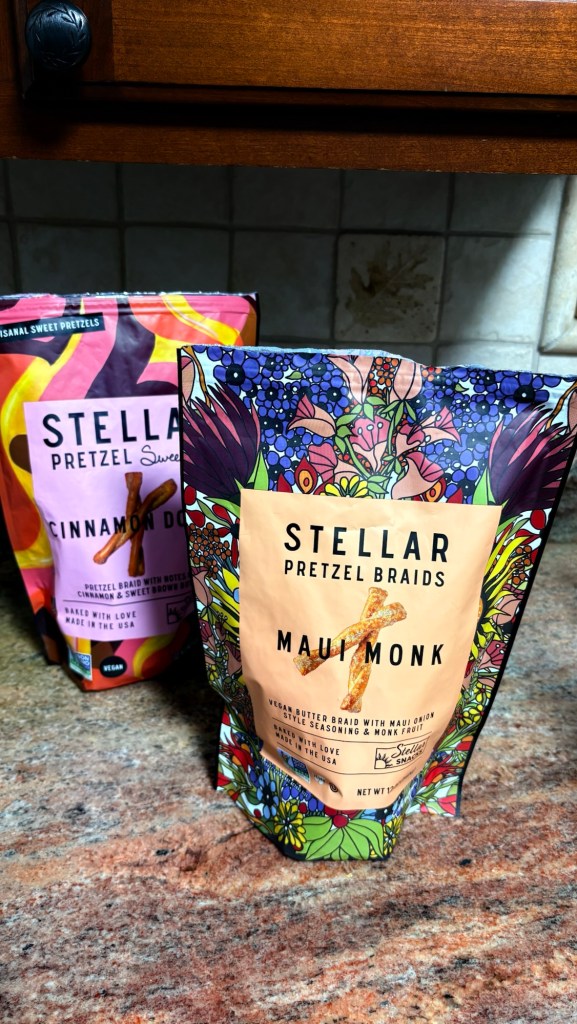
I feel like I have to apologize for this one from the start, because you’re quickly going to become addicted, and you’re going to resent me for ever telling you about these. But I must. My son brought home an airplane sized sample bag of the Maui Monk Pretzels from an event he was at, and gave them to me. Not knowing what they were, I let them sit atop my dresser for a week or two, and almost just dropped them into the trash. Then one day I was ready for a snack, and discovering a lack of other choices, I reached for these. Two minutes later I was frantically searching to find anywhere that sells full sized bags of them, and oh was I ever in luck, because Kroger and Target both do. Not only that, but Target just had them on sale for $5.99 each, and I got almost all of the flavors to try. Oh my sweet and salty goodness! Maui Monk is forever my favorite, but Bold & Herby is a close second. When I’m in the mood for something sweet, Cinnamon Dolce melts in my mouth like some kind of homemade churro made by a magical pastry chef. As one of my friends stated, “I can’t decide whether to chew it, or just suck the seasoning off.” It’s true, and I alternate between both, because there is just no way to figure out if the pretzel or the seasoning is better, but I guarantee you this— the combination of the two is worth a modest sacrifice. Don’t wait to try them, because if you miss it you just will never be able to say you’ve truly lived.
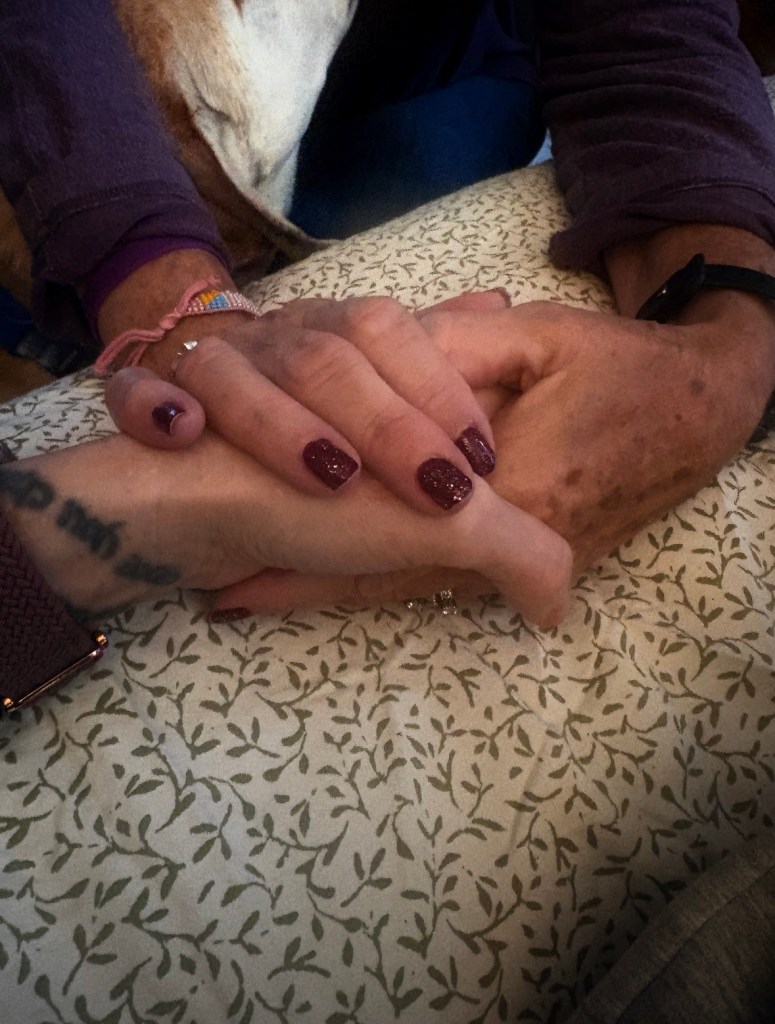
This week a friend stopped by with her baby whom I hadn’t had the chance to meet yet. I reached out my arms to hold her, probably more out of habit and an illusion of normalcy than having actually thought it through. I kept both arms wrapped around her body snuggly, making sure she was secure despite my lack of muscle strength. After a few minutes, when I felt my arms begin to tire, I handed her back to her mom.
Later that day I had to register for an appointment at the hospital that required me to converse with a remote employee through video, and we spoke to each other through a telephone line. Nearly halfway through the process as I held the plastic phone receiver to my ear I thought I wouldn’t be able to finish due to the shaking and fatigue in my arm. It felt like I had maxed out on pushups at the gym that day, only all I had done was 5 minutes of baby cuddling.
When I tried to explain these events to people in my life and express the fear and frustration it made me feel, I was largely met with the awkwardness of them not knowing what to say. My unmet, yet unspoken expectations led to uneasy silence and a longing to be understood.
As much as I thought and hoped this was an isolated event from pushing my arms beyond their comfort level, I have discovered a more unsettling trend. My arms continue to struggle to keep up. Folding laundry proves to be a feat of endurance, frequent breaks, and deciding pj’s will live just fine rumpled in the drawer instead of neatly folded. Holding my phone to my ear feels like a test of wills, and even typing out text messages brings the hot burn of fatigue and necessary rests.
I haven’t pulled out any art supplies in weeks now; the promise of fatigue coupled with the effort it takes just to get started has sadly been greater than the joy of creating. It feels like watching pieces of myself drift out to sea while I stand on the shoreline, completely unable to swim out and bring them back.
When your body begins to trade away simple abilities—things you took for granted just yesterday—it is easy to feel entirely abandoned. We live in a world that praises strength, endurance, and productivity. When those crumble, we wonder where God fits into the weakness. Why does a God who is capable of sustaining galaxies allow holding a phone or folding a shirt to feel like an insurmountable mountain?
In the uncomfortable silence of my own changing reality, I turned to Scripture looking for a hero, but instead, I found a scene of profound human weakness. During Israel’s battle against the Amalekites in Exodus, Moses stood on top of a hill holding up the staff of God. As long as his hands were raised, Israel prevailed; whenever he lowered them, they faltered. But Moses was human. The story reads, “When Moses’ hands grew tired, they took a stone and put it under him and he sat on it. Aaron and Hur held his hands up—one on one side, one on the other—so that his hands remained steady till sunset.”
We often preach about faith moving mountains, but here, holiness looked like needing a rock to sit on and two friends to carry the weight of tired arms. I’ve spent days frustrated that my arms couldn’t hold a baby or a telephone receiver. But God has been gently showing me two powerful truths in this valley.
The first is that His grace is perfected in our actual limits, not our imagined strength. Paul wrote in 2 Corinthians that the Lord told him, “My grace is sufficient for you, for my power is made perfect in weakness.” God does not require us to put on a brave face or pretend we are stronger than we are. When my arms shake, His strength isn’t diminished—it is highlighted. My worth was never tied to my physical endurance, my folded laundry, or my artistic output. It was, and always is, anchored in His love.
The second truth I am being reminded of is that we were never meant to carry the weight alone. When people in my life didn’t know what to say, it wasn’t because they didn’t care; it was because physical suffering is uncomfortable to witness. But just like Moses needed Aaron and Hur, we need grace-givers who will sit with us in the silence, who don’t need us to be “fixed” to love us, and who are willing to hold up our arms when we simply cannot. And even when human understanding falls short, Jesus remains the One who understands our every weakness, leaning in closer rather than pulling away.
If you are standing in a season where your capacity feels diminished—whether through chronic illness, burnout, or quiet suffering—hear this today: You are allowed to grieve what you’ve lost. You are allowed to leave the clothes rumpled in the drawer.
God is not waiting for you to recover your strength before He draws near to you. He meets you right here in the fatigue, in the quiet frustration, and in the empty hands. You don’t have to carry it all. When our strength runs out, His grace takes over.
I want to embrace community in the same capacity I did when I was well, but the truth is it’s not the same. People feel awkward around me, and I’m embarrassed that that’s what I bring to the table. People look at me with my glaringly obvious physical struggles, and they don’t know what to say. They’ve been carrying a difficult thing this week, but when they measure it against the ticking time bomb of my terminal illness, it feels insignificant, so they minimize their struggle and choose to talk about nothing.
Friends. Family. Random strangers who happen to be reading this… there is a fundamental truth I learned when I buried my daughter that holds true like the steady, blazing colors of a war-torn flag. Hard is exactly that; HARD. We shouldn’t be comparing hards, because there just is no comparison.
With the fresh wounds of having stood at the cavernous edge of my daughter’s grave, I heard things like, “I know how you feel, because my child got pneumonia and had to be in the hospital, and it was awful.” Or, “I know what you’re going through; I still haven’t gotten over losing my dog last Spring.” I watched the moving lips of these stories, but the sound was deafeningly absent because of the noise of what rose up inside of me. I seethed.
How could you compare something like that to what I was going through? And then I learned something crucial to understand. My hard is the worst thing that has happened to me thus far. Your hard is the worst thing that has happened to you thus far. You may not be able to relate to my exact story, because you haven’t been there, but you have your own story where you have experienced the most awful thing so far, and it rocked your world and shook your faith, and left you standing with gaping wounds you didn’t know how to patch yet. And that is where we find common ground. It is inevitable that we will all walk through earth-shattering hard things at some point, and when we come to those trials we each gain a little more compassion and understanding that we didn’t have before.
And maybe that is what I have been missing when I feel like I don’t belong. Belonging was never meant to come from having the same circumstances, the same bodies, the same stories, or the same kind of pain. It comes from being willing to sit beside one another in the places we don’t understand and say, “I may not know exactly what this is like for you, but I know what it is to hurt. I know what it is to be afraid. I know what it is to need someone to stay.”
So please don’t measure your pain against mine before you bring it to me. You don’t have to apologize for having a bad day because my days are hard. You don’t have to hide your grief because mine looks bigger from the outside. Your sorrow does not become less worthy because someone else is carrying something heavier. There is room at the table for all of it.
And if you don’t know what to say, you don’t have to fill the silence with a comparison. You can simply tell me the truth: “I don’t know what to say, but I’m here.” You can tell me about the thing that broke your heart this week. You can let me be more than my illness. You can remember that I am still a person who wants to laugh, listen, complain, celebrate, and care about the ordinary things that make up a life.
I am not asking anyone to pretend that my circumstances are ordinary. They are not. I am asking to be met as a whole person inside of them.
I want to belong—not because my life is easy, and not because anyone can make this hard thing disappear, but because I am still here. I am still loving. I am still reaching for connection with whatever strength I have left. And maybe belonging is not found in the absence of awkwardness or pain. Maybe it is found in the brave, imperfect choice to stay present anyway.
So bring me your hard. I will bring you mine. We don’t have to compare them. We can simply sit together beneath the weight of them, reminding each other that neither of us has to carry it alone.
There’s a chance you wouldn’t believe me if I told you what my past few weeks have looked like. One friend, grasping for what to say landed on, “I have no words for your latest mess.” I couldn’t help but laugh at the truth and ridiculousness of that statement. Sometimes, if you’re not laughing, you’re crying.
Micah Tyler’s lyrics to his song “Even Then” have been a treasure to my heart this week:
“Even in the thick of the battle And even through the valley of the shadows You alone are my defense when I’m standing on your promises.
Even when it feels like my world is shaken Even when I’ve had all that I can take I know You never let me go.
And even when the waters won’t stop rising Even when I’m caught in the dead of the night I know no matter how it ends You’re with me even then.”
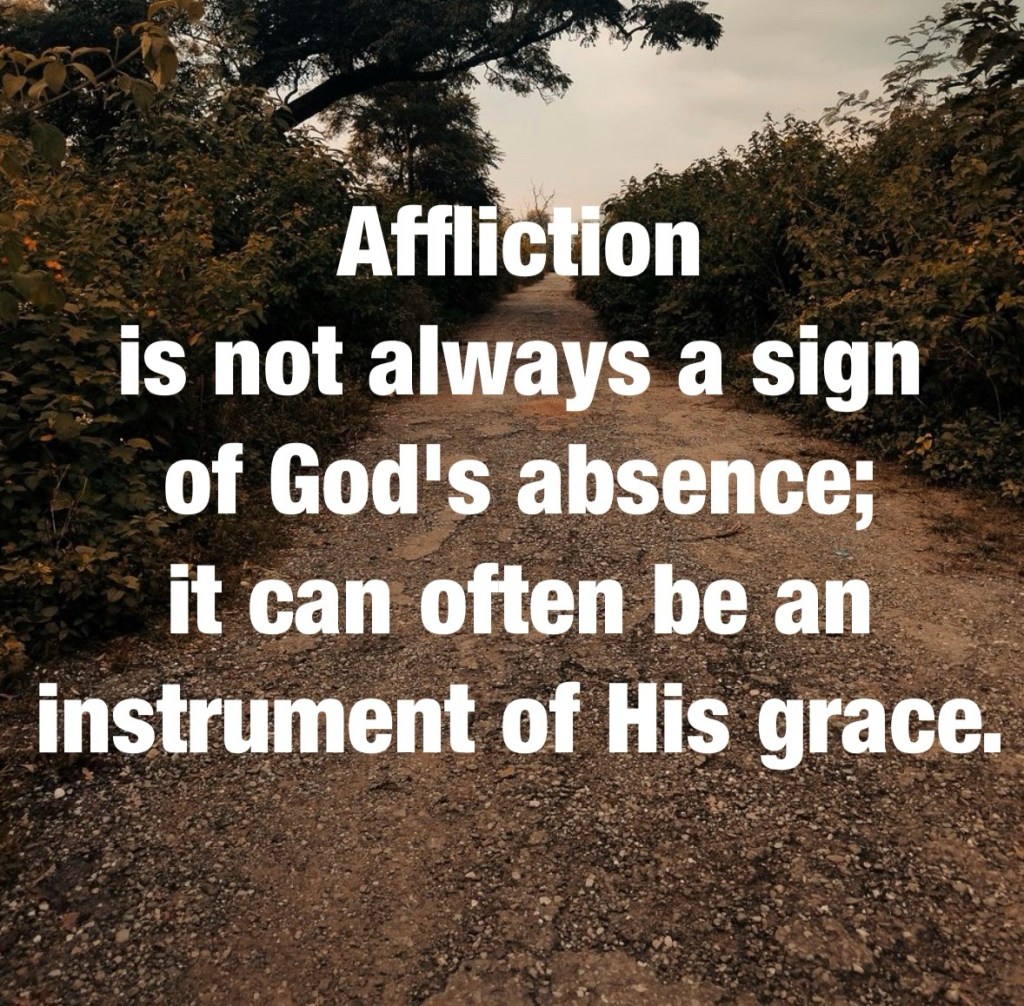
What I am learning through this uncomfortable time of stretching is that affliction is not always a sign of God’s absence; it can often be an instrument of His grace. Hardship strips away temporary distractions, exposes false reliance, and refines our character so that we value divine truth over temporary comfort.
When the ground beneath us shakes, our natural reaction is to reach out and grab anything that feels stable. But so often, the things we reach for—our plans, our control, our own strength—turn out to be as fragile as the situation we’re trying to escape.
This season has forced my hands open. I’ve had to let go of the need to fix the unfixable, to stop trying to write my own happy ending, and to simply sit in the quiet reality that I am not the one holding my life together. God is. He doesn’t just show up after the storm clears to help us pick up the pieces; He is present right in the middle of the rising waters, when the night is at its absolute darkest.
If you find yourself navigating your own version of a “latest mess” right now, I hope you hear this: you don’t have to pretend it isn’t hard, and you certainly don’t have to carry it alone. It is entirely okay to laugh at the absurdity, weep over the pain, and feel weary all at once. I was reminded today that grace meets us right where we are, not where we think we should be.
The valley may be deep, and the battle may feel fierce, but the end of your strength is the beginning of His supply. Take a deep breath. You are held, you are seen, and even then—especially then—He is with you.
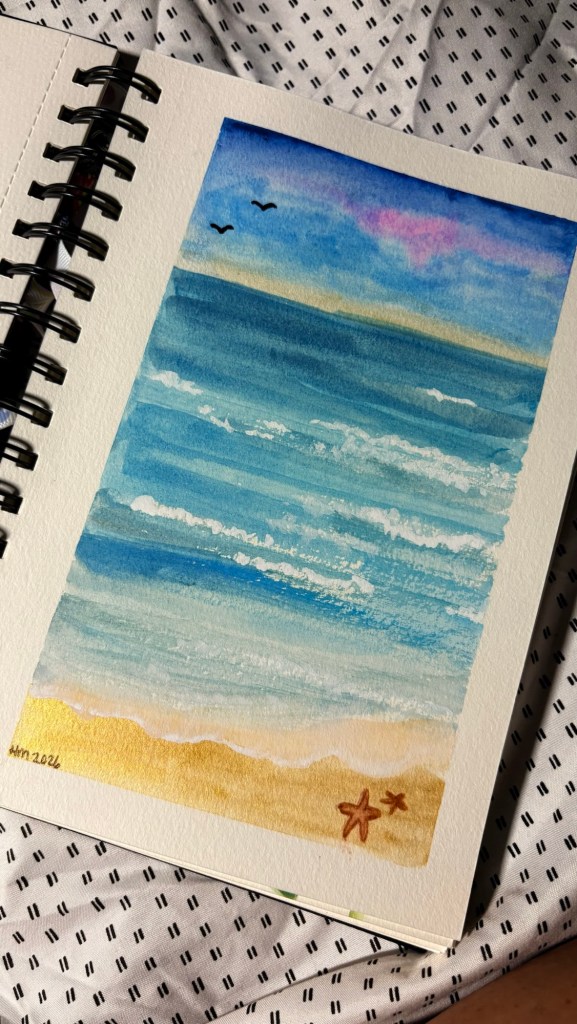
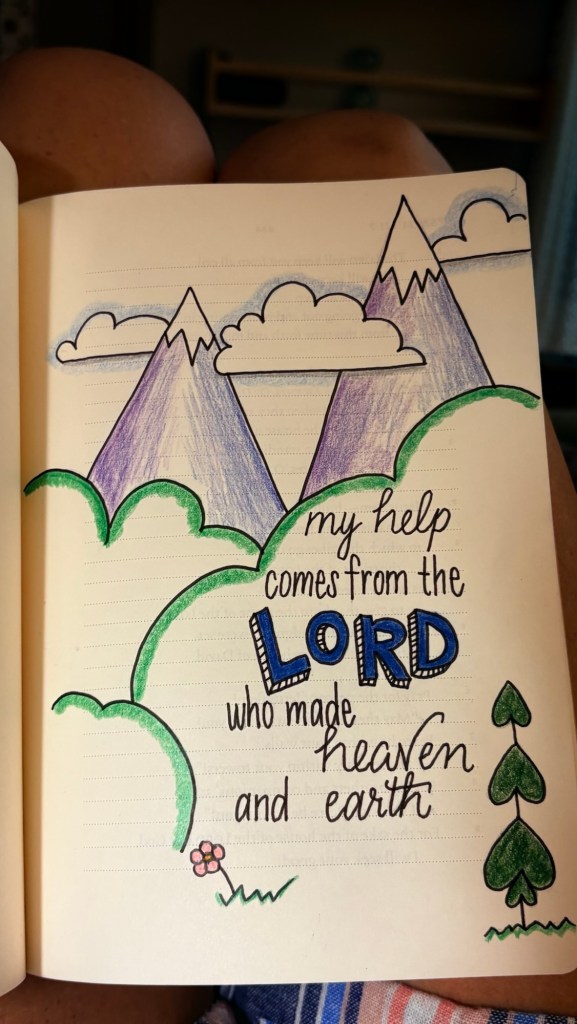
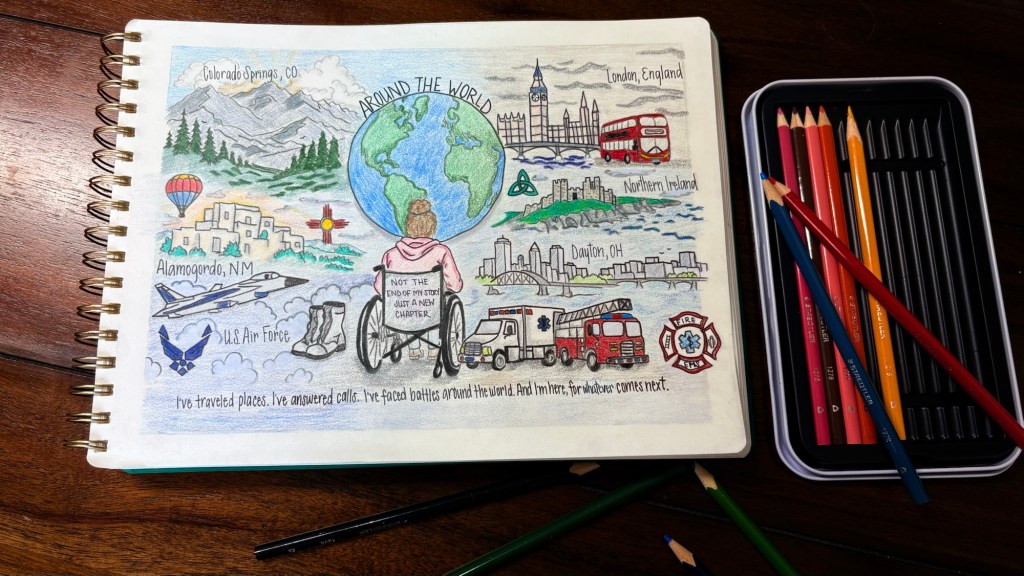
Hey friends, I have something you can help with… I entered an art contest, and one of the categories is “fan favorite,” which is decided by the number of votes a piece of artwork receives. If you would be inclined…
I never say it without a smile, “I’m living in dog years,” and I’m the first to say it’s not lost on me that I’m living on borrowed time. The diagnosis spoken over me came also with a projected expiration date, but what those doctors may not have known is that my life belongs to God, and he will have me here for the perfect amount of days, regardless of any curse spoken over my life.
Some days a long goodbye comes with torment; an aching to be done with all the hard parts, a desperation for deep and restorative rest. Most days though, I stick to my belief that a prolonged goodbye is a gift entrusted to me by God—a sacred window of time to point a captive audience toward His goodness, faithfulness, and grace.
Over the years, I’ve learned that living in this tension—between the exhaustion of the body and the eagerness of the spirit—is where the real ministry happens. It strips away the frivolous noise of the world and leaves behind a sharp, beautiful clarity: every breath is an intentional choice, every morning a deliberate mercy, and every conversation an opportunity to leave behind an echo of eternity.
A sudden departure leaves little time for final words, but a slow walk home gives you the space to write love letters with your life. It allows you to wrap your arms tighter around those you love, to forgive faster, to laugh freer, and to speak the name of Jesus with an urgency that only a ticking clock can forge. It lets you demonstrate that peace isn’t the absence of pain or the presence of a clean bill of health; it is the unwavering presence of God in the middle of the storm.
I don’t know how many pages are left in my story, and truth be told, I don’t need to. The Author of life has never miscalculated a single chapter. So on the hard days, I will lean heavily on His strength to carry me through the pain. And on the good days, I will use whatever breath I have left to remind anyone listening that death has lost its sting, grace is entirely sufficient, and the God who holds my tomorrows is worthy of every single praise I have left to give.
I have learned much about anxiety this week. How it makes the entire body buzz with an itch that won’t be scratched. How pulsing panic sits me bolt-awake from the depth of refreshing sleep. How I can’t organize my thoughts or talk myself down from the war within me.
The vibration of my phone alerts me of words I thought I was ready to take in, but it turns out I wasn’t. Immediately I croak the words out, white-hot tears burning my cheeks, finger slicing the air as it jabs toward Heaven. “I know I said to lead me, but I don’t like this one bit. I’m angry, and I’m terrified. I don’t want what You are giving me to carry. But… I trust you. And I’ll listen… and I’ll follow… You just better pick up the pieces.”
And the next thought after my white-hot rage is the words of a familiar hymn, and I draw breath as deep as I can so my quavering voice can scratch out the words of the melody:
“When peace like a river attendeth my way, when sorrows like sea billows roll; whatever my lot thou hast taught me to say, it is well, it is well with my soul.”
Anxiety means something inside of me needs to be felt. It’s an SOS telling me that I have been avoiding important emotions that I have not fully faced yet. So I pause and make space for the actual feelings to seep in. When I allow myself to feel I recognize… I’m not anxious, I’m sad. I’m sad at the weight of this week; at all the broken and hurting pieces that have jumbled their way across these days socked in by the thundering gray skies.
So through my singing I let the tears fall, not as a sign of defeat, but as a release. I let the sadness wash over me, untangling itself from the frantic knot of panic. The gray skies outside haven’t cleared yet, and my situation has not magically changed. But the war inside my chest has begun to quiet down.
Surrender doesn’t mean I suddenly love the burdens I’ve been given to carry. It just means I’m choosing not to carry them alone. In admitting my grief, I find a strange kind of ground beneath my feet; a place where faith and real, messy human emotion can finally sit together in the quiet.
If you find yourself in the storm today, buzzing with an anxiety you can’t shake, try leaning into the quiet beneath the noise. Stop running from the itch. Name the real emotion waiting for you under the fear—whether it’s heartbreak, anger, or deep exhaustion. God isn’t intimidated by your white-hot rage or your quavering voice, and He certainly isn’t afraid of your sadness.
It’s okay if your voice shakes. It’s okay if you’re angry while you yield. He is faithful enough to hold the weight, gentle enough to pick up the pieces, and close enough to remind you that even here, in the middle of the ache, it is well.
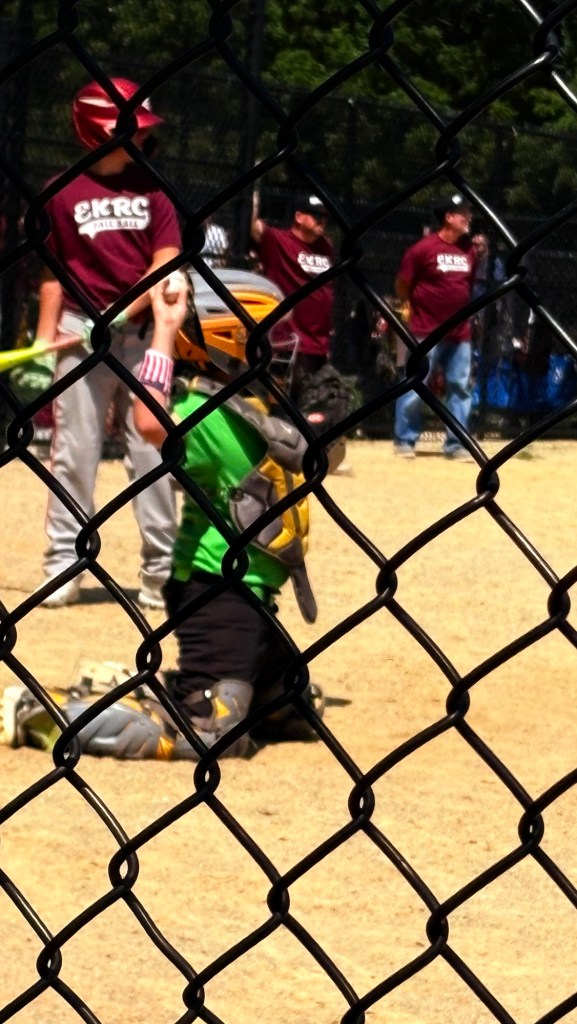
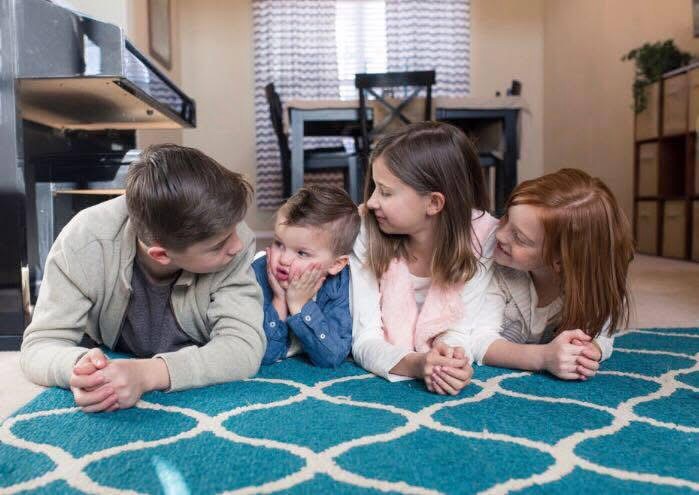
The growing up of my youngest has hit me the hardest in some ways, as I know these are the “last lasts” we are experiencing together. The speed at which it happened has all but swept my feet out from under me. The boy that was at my side for 11 years has found sure footing as he ventures and explores for himself, and discovers there is a whole world in which he feels confident and excited for. My heart smiles to see him enjoying the days with so much maturity, feeling safe to wander farther and do more with his growing tribe.
In the ticking hours that I’m alone though, there is a subtle, yet deep ache as my days of motherhood fold up quiet. I laid in the swing today, drinking in the perfect temperature and watching the shadows dance with the sunlight. It occurred to me why I feel like I’m carrying grief in this season. It’s the lie of rejection whispering scorch-hot that because I am no longer needed in the same ways, I am no longer needed at all.
It tells me that as his world expands, my place in it shrinks into irrelevance. But as the wind stirred the trees above me, God gently reminded my heart of a deeper truth; transition is not rejection, and release is not loss.
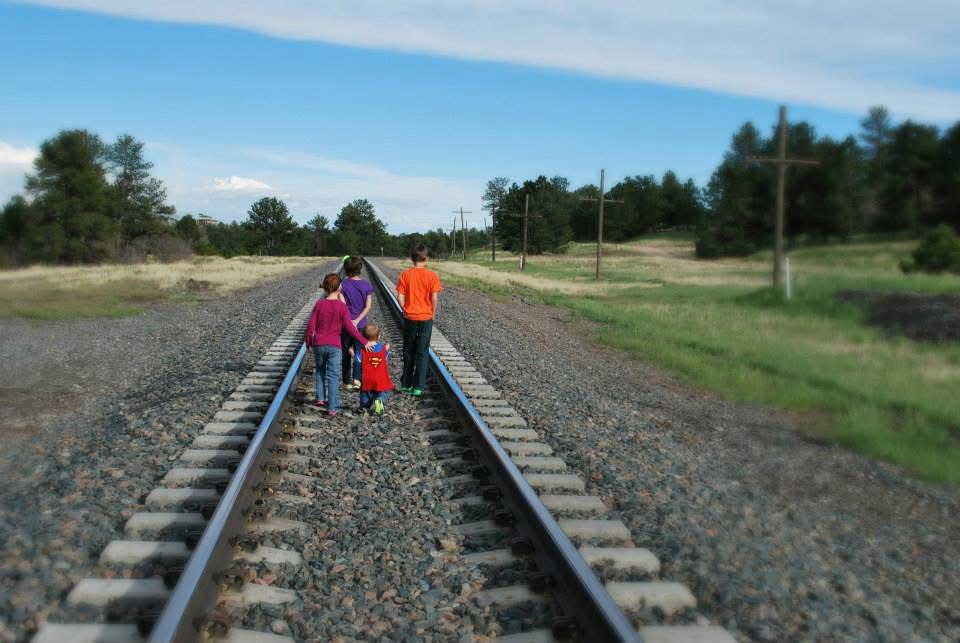
For years my arms have been a safe harbor; the primary point of reference. But motherhood in this season isn’t about clinging tightly to keep them close; it’s about learning how to love them from a beautiful, prayerful distance.
The grief I feel isn’t a sign that I’ve failed or that I’m being left behind—it’s simply the sacred price of a love that did its job well. We pray for our children to be confident, faithful, and independent. When those prayers are answered, the quiet room left in their wake can feel heavy, but it is also holy ground.
As I learn to rest in this next chapter I know that God isn’t done writing the story of my growing littles, and He certainly isn’t done writing mine. The God who held me through sleepless toddler nights and busy childhood years is the same God who holds my quiet hours now.
When the silence feels too loud and the ache creeps in, I can bring those heavy feelings to the One who understands holy transitions. I can grieve the grace of the past without fearing the future. It is okay to weep for the little boys and girls who held my hand while simultaneously thanking God for the young adults stepping into the sun.
Have you found yourself on the surprisingly lonesome road of motherhood as your children run ahead to take flight? We can trust Him with the “last lasts.” Every finished chapter in motherhood opens the door for God to reveal something new in us. The hours may feel quieter, and the days may fold up soft, but a mother’s heart remains their home anchor—no matter how far their feet wander.