There’s a chance you wouldn’t believe me if I told you what my past few weeks have looked like. One friend, grasping for what to say landed on, “I have no words for your latest mess.” I couldn’t help but laugh at the truth and ridiculousness of that statement. Sometimes, if you’re not laughing, you’re crying.
Micah Tyler’s lyrics to his song “Even Then” have been a treasure to my heart this week:
“Even in the thick of the battle And even through the valley of the shadows You alone are my defense when I’m standing on your promises.
Even when it feels like my world is shaken Even when I’ve had all that I can take I know You never let me go.
And even when the waters won’t stop rising Even when I’m caught in the dead of the night I know no matter how it ends You’re with me even then.”
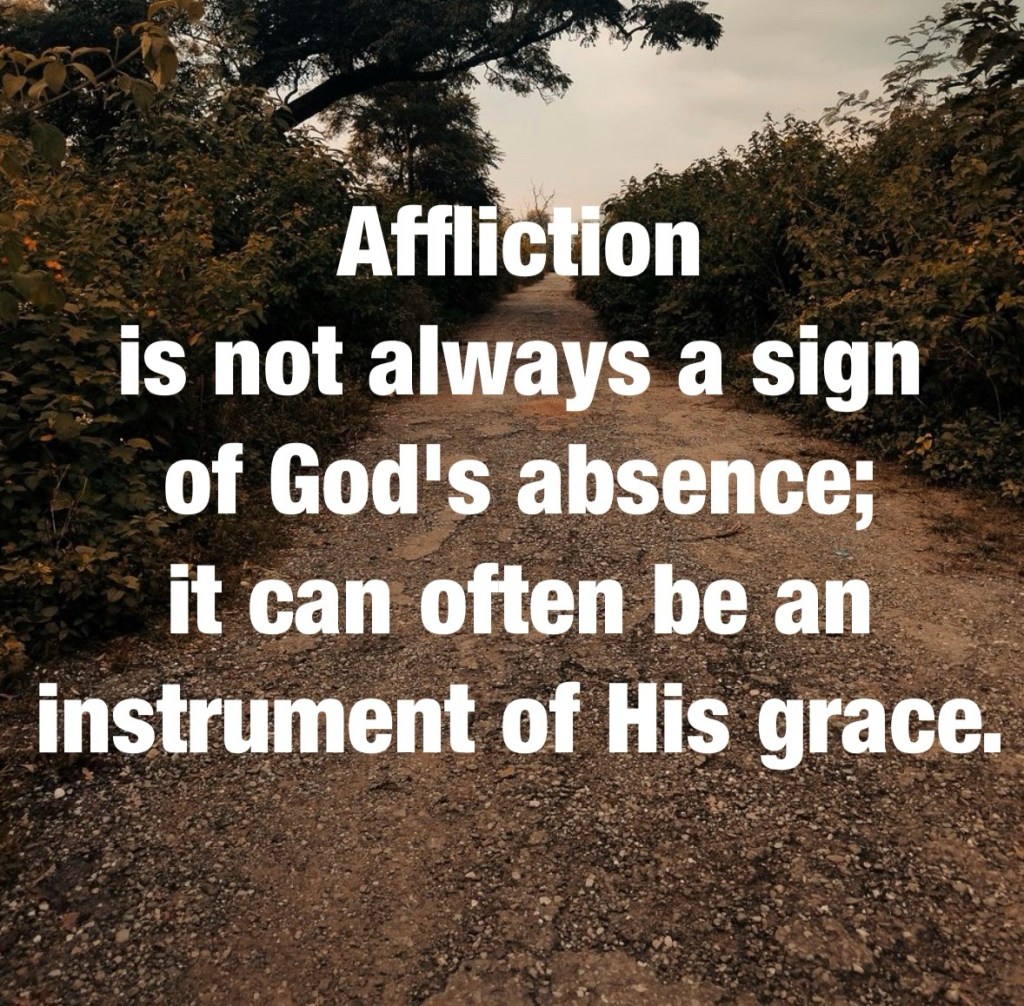
What I am learning through this uncomfortable time of stretching is that affliction is not always a sign of God’s absence; it can often be an instrument of His grace. Hardship strips away temporary distractions, exposes false reliance, and refines our character so that we value divine truth over temporary comfort.
When the ground beneath us shakes, our natural reaction is to reach out and grab anything that feels stable. But so often, the things we reach for—our plans, our control, our own strength—turn out to be as fragile as the situation we’re trying to escape.
This season has forced my hands open. I’ve had to let go of the need to fix the unfixable, to stop trying to write my own happy ending, and to simply sit in the quiet reality that I am not the one holding my life together. God is. He doesn’t just show up after the storm clears to help us pick up the pieces; He is present right in the middle of the rising waters, when the night is at its absolute darkest.
If you find yourself navigating your own version of a “latest mess” right now, I hope you hear this: you don’t have to pretend it isn’t hard, and you certainly don’t have to carry it alone. It is entirely okay to laugh at the absurdity, weep over the pain, and feel weary all at once. I was reminded today that grace meets us right where we are, not where we think we should be.
The valley may be deep, and the battle may feel fierce, but the end of your strength is the beginning of His supply. Take a deep breath. You are held, you are seen, and even then—especially then—He is with you.
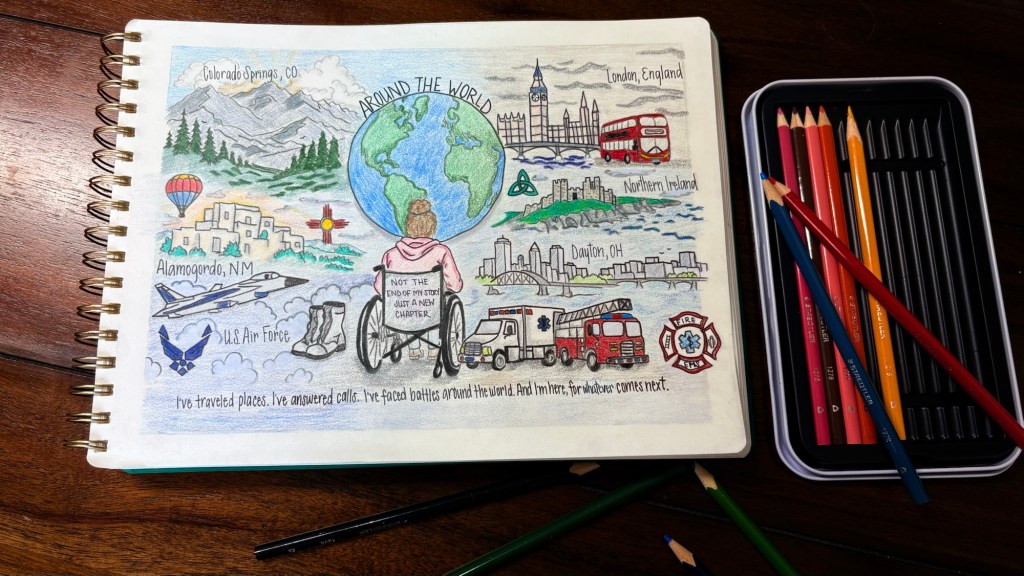
Hey friends, I have something you can help with… I entered an art contest, and one of the categories is “fan favorite,” which is decided by the number of votes a piece of artwork receives. If you would be inclined…
I never say it without a smile, “I’m living in dog years,” and I’m the first to say it’s not lost on me that I’m living on borrowed time. The diagnosis spoken over me came also with a projected expiration date, but what those doctors may not have known is that my life belongs to God, and he will have me here for the perfect amount of days, regardless of any curse spoken over my life.
Some days a long goodbye comes with torment; an aching to be done with all the hard parts, a desperation for deep and restorative rest. Most days though, I stick to my belief that a prolonged goodbye is a gift entrusted to me by God—a sacred window of time to point a captive audience toward His goodness, faithfulness, and grace.
Over the years, I’ve learned that living in this tension—between the exhaustion of the body and the eagerness of the spirit—is where the real ministry happens. It strips away the frivolous noise of the world and leaves behind a sharp, beautiful clarity: every breath is an intentional choice, every morning a deliberate mercy, and every conversation an opportunity to leave behind an echo of eternity.
A sudden departure leaves little time for final words, but a slow walk home gives you the space to write love letters with your life. It allows you to wrap your arms tighter around those you love, to forgive faster, to laugh freer, and to speak the name of Jesus with an urgency that only a ticking clock can forge. It lets you demonstrate that peace isn’t the absence of pain or the presence of a clean bill of health; it is the unwavering presence of God in the middle of the storm.
I don’t know how many pages are left in my story, and truth be told, I don’t need to. The Author of life has never miscalculated a single chapter. So on the hard days, I will lean heavily on His strength to carry me through the pain. And on the good days, I will use whatever breath I have left to remind anyone listening that death has lost its sting, grace is entirely sufficient, and the God who holds my tomorrows is worthy of every single praise I have left to give.
I have learned much about anxiety this week. How it makes the entire body buzz with an itch that won’t be scratched. How pulsing panic sits me bolt-awake from the depth of refreshing sleep. How I can’t organize my thoughts or talk myself down from the war within me.
The vibration of my phone alerts me of words I thought I was ready to take in, but it turns out I wasn’t. Immediately I croak the words out, white-hot tears burning my cheeks, finger slicing the air as it jabs toward Heaven. “I know I said to lead me, but I don’t like this one bit. I’m angry, and I’m terrified. I don’t want what You are giving me to carry. But… I trust you. And I’ll listen… and I’ll follow… You just better pick up the pieces.”
And the next thought after my white-hot rage is the words of a familiar hymn, and I draw breath as deep as I can so my quavering voice can scratch out the words of the melody:
“When peace like a river attendeth my way, when sorrows like sea billows roll; whatever my lot thou hast taught me to say, it is well, it is well with my soul.”
Anxiety means something inside of me needs to be felt. It’s an SOS telling me that I have been avoiding important emotions that I have not fully faced yet. So I pause and make space for the actual feelings to seep in. When I allow myself to feel I recognize… I’m not anxious, I’m sad. I’m sad at the weight of this week; at all the broken and hurting pieces that have jumbled their way across these days socked in by the thundering gray skies.
So through my singing I let the tears fall, not as a sign of defeat, but as a release. I let the sadness wash over me, untangling itself from the frantic knot of panic. The gray skies outside haven’t cleared yet, and my situation has not magically changed. But the war inside my chest has begun to quiet down.
Surrender doesn’t mean I suddenly love the burdens I’ve been given to carry. It just means I’m choosing not to carry them alone. In admitting my grief, I find a strange kind of ground beneath my feet; a place where faith and real, messy human emotion can finally sit together in the quiet.
If you find yourself in the storm today, buzzing with an anxiety you can’t shake, try leaning into the quiet beneath the noise. Stop running from the itch. Name the real emotion waiting for you under the fear—whether it’s heartbreak, anger, or deep exhaustion. God isn’t intimidated by your white-hot rage or your quavering voice, and He certainly isn’t afraid of your sadness.
It’s okay if your voice shakes. It’s okay if you’re angry while you yield. He is faithful enough to hold the weight, gentle enough to pick up the pieces, and close enough to remind you that even here, in the middle of the ache, it is well.
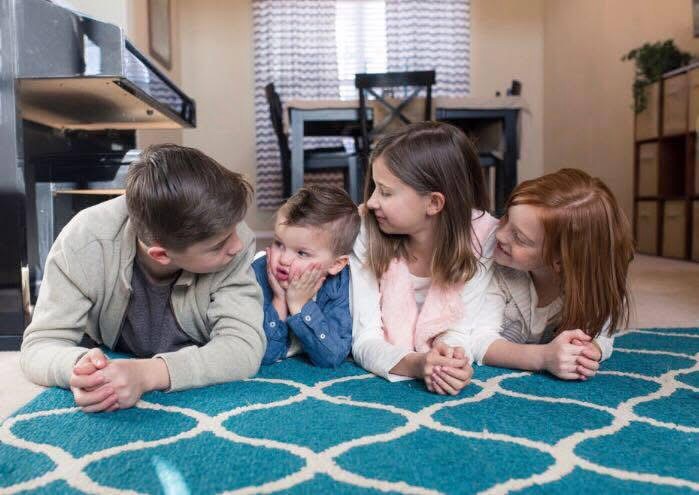
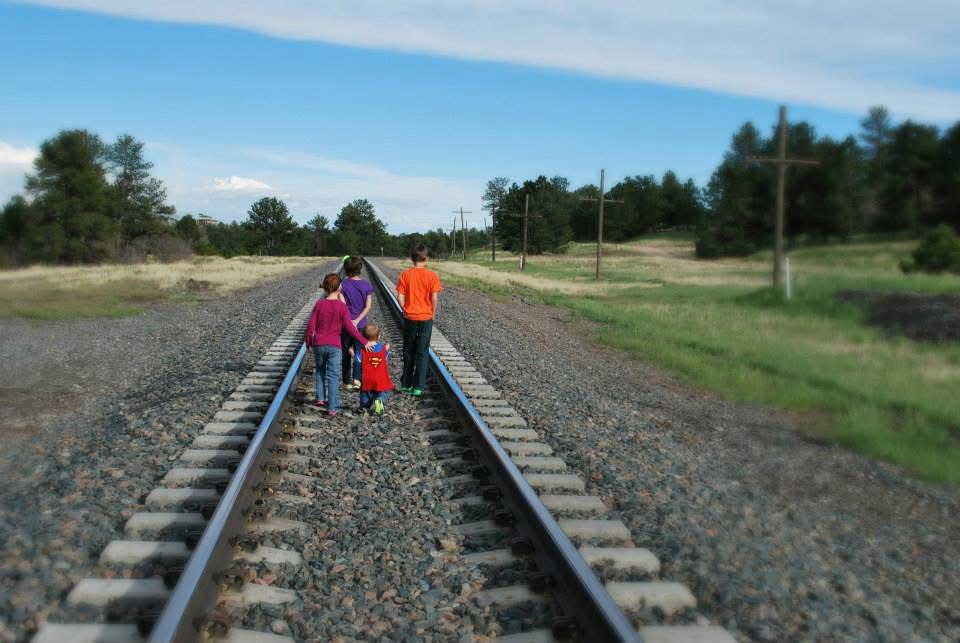
The growing up of my youngest has hit me the hardest in some ways, as I know these are the “last lasts” we are experiencing together. The speed at which it happened has all but swept my feet out from under me. The boy that was at my side for 11 years has found sure footing as he ventures and explores for himself, and discovers there is a whole world in which he feels confident and excited for. My heart smiles to see him enjoying the days with so much maturity, feeling safe to wander farther and do more with his growing tribe.
In the ticking hours that I’m alone though, there is a subtle, yet deep ache as my days of motherhood fold up quiet. I laid in the swing today, drinking in the perfect temperature and watching the shadows dance with the sunlight. It occurred to me why I feel like I’m carrying grief in this season. It’s the lie of rejection whispering scorch-hot that because I am no longer needed in the same ways, I am no longer needed at all.
It tells me that as his world expands, my place in it shrinks into irrelevance. But as the wind stirred the trees above me, God gently reminded my heart of a deeper truth; transition is not rejection, and release is not loss.
For years my arms have been a safe harbor; the primary point of reference. But motherhood in this season isn’t about clinging tightly to keep them close; it’s about learning how to love them from a beautiful, prayerful distance.
The grief I feel isn’t a sign that I’ve failed or that I’m being left behind—it’s simply the sacred price of a love that did its job well. We pray for our children to be confident, faithful, and independent. When those prayers are answered, the quiet room left in their wake can feel heavy, but it is also holy ground.
As I learn to rest in this next chapter I know that God isn’t done writing the story of my growing littles, and He certainly isn’t done writing mine. The God who held me through sleepless toddler nights and busy childhood years is the same God who holds my quiet hours now.
When the silence feels too loud and the ache creeps in, I can bring those heavy feelings to the One who understands holy transitions. I can grieve the grace of the past without fearing the future. It is okay to weep for the little boys and girls who held my hand while simultaneously thanking God for the young adults stepping into the sun.
Have you found yourself on the surprisingly lonesome road of motherhood as your children run ahead to take flight? We can trust Him with the “last lasts.” Every finished chapter in motherhood opens the door for God to reveal something new in us. The hours may feel quieter, and the days may fold up soft, but a mother’s heart remains their home anchor—no matter how far their feet wander.
When my husband was on active duty in the Air Force he traveled often. Every time that he packed a suitcase I slipped a special treat inside along with a written card of my love. A piece of me to remind him what waited for him upon his return.
When he retired from the military, but still had to travel, I continued this tradition, but as the cadence of his trips grew closer together I sometimes found it difficult to come up with what to sneak into his bag. I also guilted myself about what kind of habits I was encouraging by keeping him constantly stocked on Twizzlers and Swedish Fish.
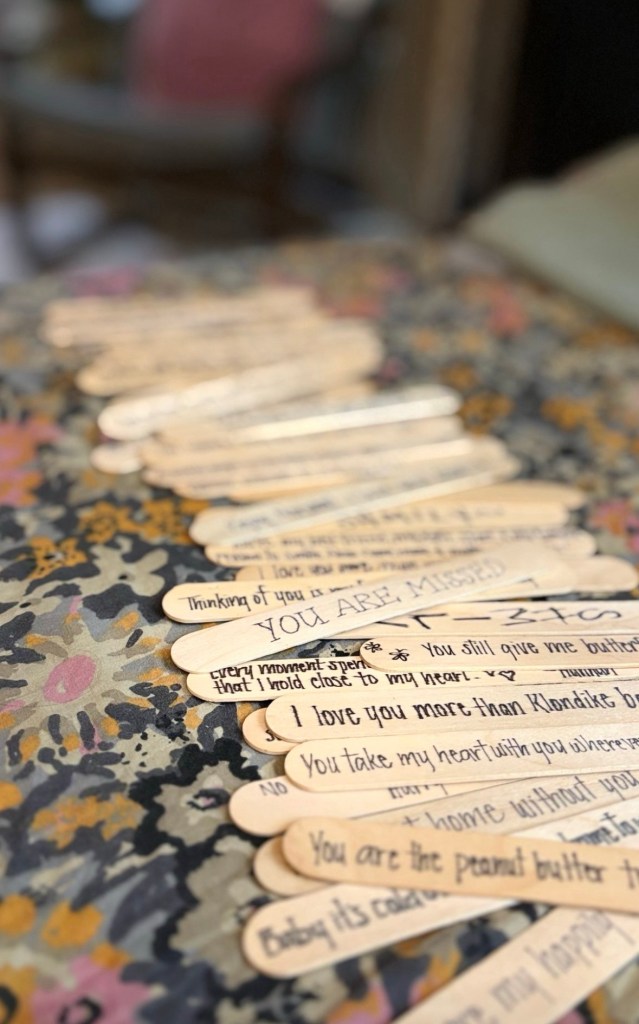
Looking through a hodgepodge of craft supplies one day, I came up with a new idea. I grabbed a big package of wooden sticks, the tongue depressor size, and a fine-tipped Sharpie. I wrote a sweet note on the stick and slipped it into his suitcase for him to find when the miles were between us. Every time he packed to leave I repeated this. Words that helped bridge the distance and time between us. Promises he could cling to.
Snacks disappear, cards get stashed away various places, but he started collecting those sticks one by one. The day I came across them I swallowed hard the thick lump that rose in my throat. My chest ached with a hollow pain as I stared at the very visual reminder of the number of times I had said goodbye just in the past 3 years.
In that moment, the tradition stopped feeling like something small and secret—and started feeling like evidence. Evidence of love that had to learn how to survive distance. Evidence of God meeting me in the in-between places, when my hands needed something to do and my heart didn’t know how to reconcile with my head.
I sat down with the sticks scattered on the bed and I began to read the notes again. Some were written with an easy smile, the kind that comes when you believe tomorrow will arrive on schedule. Some were braver than I felt. Some were shorter than I wanted them to be because my creativity struggled to come up with something new. But every single one carried the same message: you are not forgotten; you are loved; you are coming home.
And as I read, I realized something I hadn’t let myself notice. I had been building a bridge out of tiny, ordinary pieces—wood and ink and quiet prayers—because the enemy loves to tell you that distance is the end of a story. Distance is hardly the end. It is often the space where God grows the faith you can’t see yet.
The Bible says God is faithful. That faithfulness isn’t only for the mountain-top moments; it’s for the nights when you’re staring at a suitcase, wondering if the next goodbye will feel the same. It’s for the days when your hands are busy so your mind doesn’t run wild. It’s for the season when you can’t fix what you’re facing, but you can choose what you’ll cling to.
I thought about the promises hidden in those sticks. Not just promises from me to him—but the promises God had been putting in me.
So I prayed. Out loud at first, because sometimes my heart needs to hear itself surrender. “Lord,” I said, “You know every goodbye. You know how many times my throat has tightened and tears have pricked at my eyes. You know the way I’ve tried to measure love in small things because I’m afraid to measure it in time. Teach me how to trust You even when I’m counting.”
It didn’t feel like lightning or instant relief. It felt like God gently turning the lights on inside my chest.
As the days turn, the suitcase ritual has kept going, but my spirit has fought for change. I still slip sticks into pockets. I still tuck love into corners of his life. Only now, when I reach for a pen, I am not just trying to distract myself with sweetness. I am remembering that faith is a choice you make again and again—even when you’re tired.
The sticks have become more than reminders for him. They have become reminders for me. Reminders that love can be trained, like a muscle, through repetition. Reminders that grief doesn’t get removed by denial; it gets carried—one faithful moment at a time. Reminders that God is not late, even when our goodbyes feel long.
On the day I laid my eyes on that bundle of sticks and swallowed that thick lump in my throat, I also felt something else rise up underneath the ache.
Hope.
Not the kind that depends on the number of days left. The kind that depends on the One who holds the days. The kind of hope that says, This isn’t an ending. This is just distance writing its sad little sentences—while God writes something stronger beneath it.
Because whether we are separated by travels across the map or standing still in the same room, the truth has never moved— God is with us. He has been strengthening what I can’t explain. He is bridging what I can’t reach. He is turning ordinary routines into threads of grace.
Even now, when I see those wooden sticks—when I remember the weight of all those goodbyes—I don’t just feel sorrow.
I feel called.
Called to love faithfully. Called to trust steadily. Called to remember that every goodbye can become a prayer, and every prayer can become a promise we hand back to God—until home isn’t just a place we wait for. It’s a place we belong.
If you find yourself in the waiting for someone who says goodbye on purpose, don’t let the distance convince you that you’re forgotten. Let it drive you closer to the One who never leaves, the One whose love doesn’t run out when things get hard. Keep your heart soft. Keep your hands busy with what’s good. And when you don’t know what to pray, pray the simplest truth: “God, hold me in the in-between. Strengthen me for today. Teach me how to hope without losing myself.”
Because even when a person walks away, God remains. Even when goodbye keeps coming, God keeps holding the thread.
For an easy $80-$250 you can acquire the materials to make a pretty decent DIY life raft, a cost I suspect many of us would easily triple or quadruple if it came down to preserving the life of someone we love. It may be surprising then to hear that there are even simpler and more affordable ways to snatch a life back from the brink. Don’t feel bad, I was acting quite ignorant to this myself until the life-affirming experience I had earlier this week.
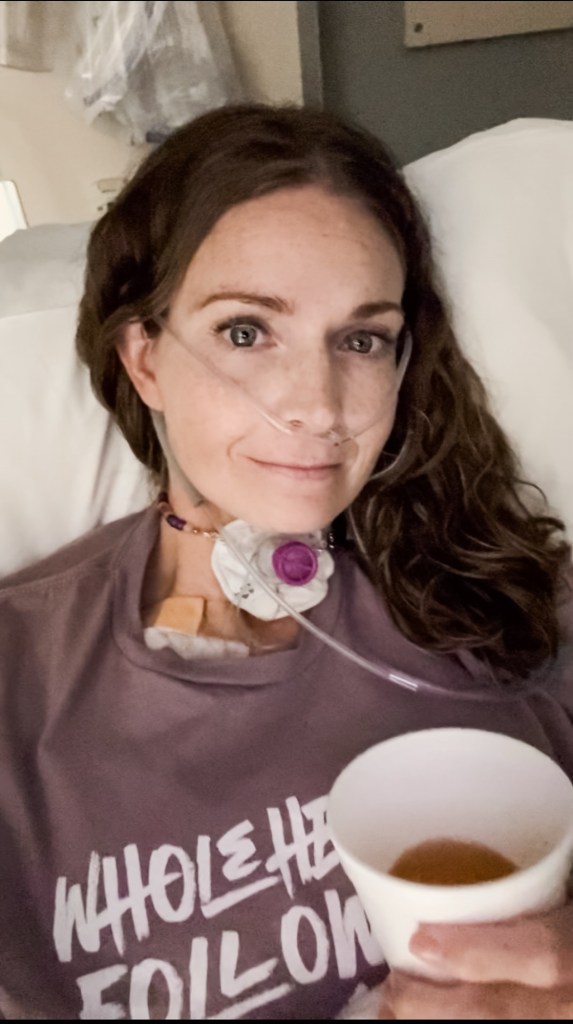
A weighty world and a few unexpected shoe drops this week had me feeling rather dismal and uninspired as I rode out the sweltering days of a Midwest summer. The isolating circumstances of my illness had been contributing to a build up of unshared anxieties, paired with a lengthy succession of sleepless nights as I wrestled with symptoms I’ve felt too small to tolerate. After a “hair that breaks the camel’s back” experience, my fear and desperation caused all of this to bubble high enough that my struggles were leaking out into unassuming conversations. Conversations that should have first happened between myself and my Heavenly Father to begin with, but as his attributes have proven to me historically, he again lavished grace upon grace for my shortcomings and gifted me what I had been too troubled and preoccupied to ask him for in the first place.
As I visited with a friend this week her thoughtful questions and tender attentiveness probed out some of the wrestling matches I was engaging in, and unassuming as I was for her to be the answer to any of my concerns, her loving character held the power to change the trajectory of my week, my heart, and I hope, my very life.
We are all fighting battles big and small, and though comparison is an ill-fitting tool with which to measure, the difficulties my friend is faithfully navigating make most of my discomforts look like small potatoes. That didn’t stop her however, from following her heart and lavishing love upon me despite the meager bucket she had been given to pour from. And the results created a chain reaction of love and care that I forever want to be a link of.
What stops the rest of us then, from using our gifts in whatever quantity we contain them to reach out and be the life raft to the hurting around us? We are brushing shoulders with people whose crushing depression or debilitating circumstance may just be one small act of kindness away from the difference between life today or death tomorrow, so I propose we follow my friend’s example and expand our focus from our own hard stories to give us the clarity to see into the lives of the people around us who just need one kind word, one thoughtful gesture, one glint of truth to create the bridge that gets them from their hard today’s and into the lavish hope that tomorrow brings.
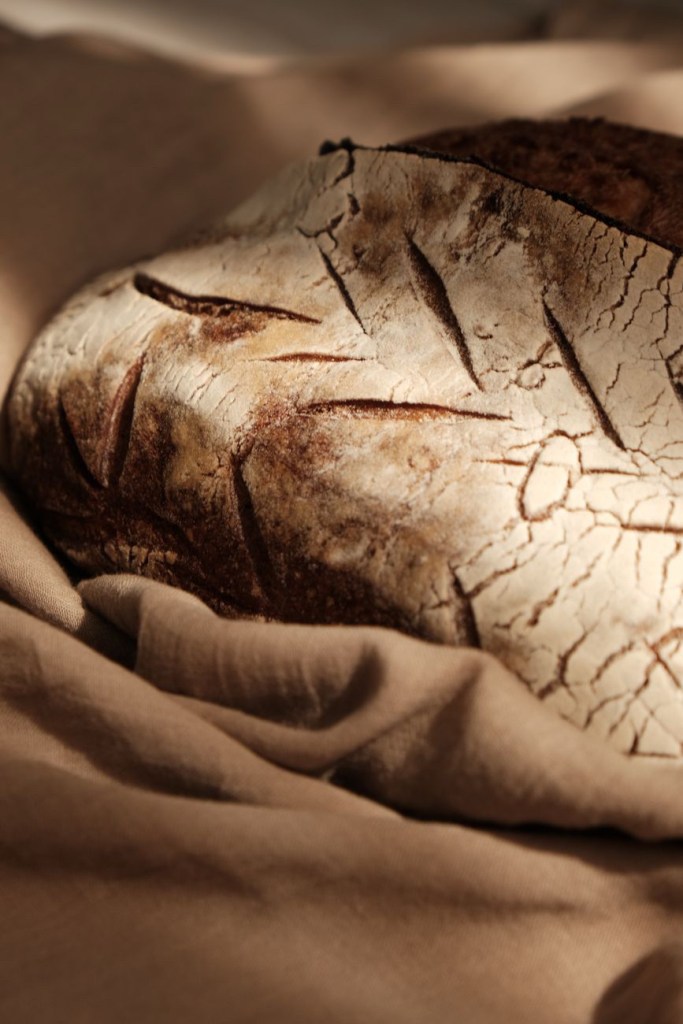
Suffering is simply not restricted to the occasional hard story that a friend of a friend of a friend shared with us; it is rampant and violent and bullying the hearts and minds of people we rub elbows and hearts with on a daily basis, so won’t you join me in being a line in the master story of someone whose life went from over to exuberantly fulfilling because of the one simple kindness that someone offered up with their own battered hands? Running on empty won’t ever be a valid excuse for those walking a servant-hearted life, because we serve a God who gives generously to those he loves, and he is capable of feeding thousands with your small loaf of bread.
Look around for the places you can be a life raft to someone who is feeling one breath from giving in to the raging waters, and then do that on repeat in your good weeks and your hard ones, because these hard-fought days are so much richer when graced with the possibility of hope gifted by a friend… or even a stranger. Then come share your story with me— I want to hear how you made a stand to be the domino in one person’s spiral that then turned out to be the victory shout of unrestrained joy!
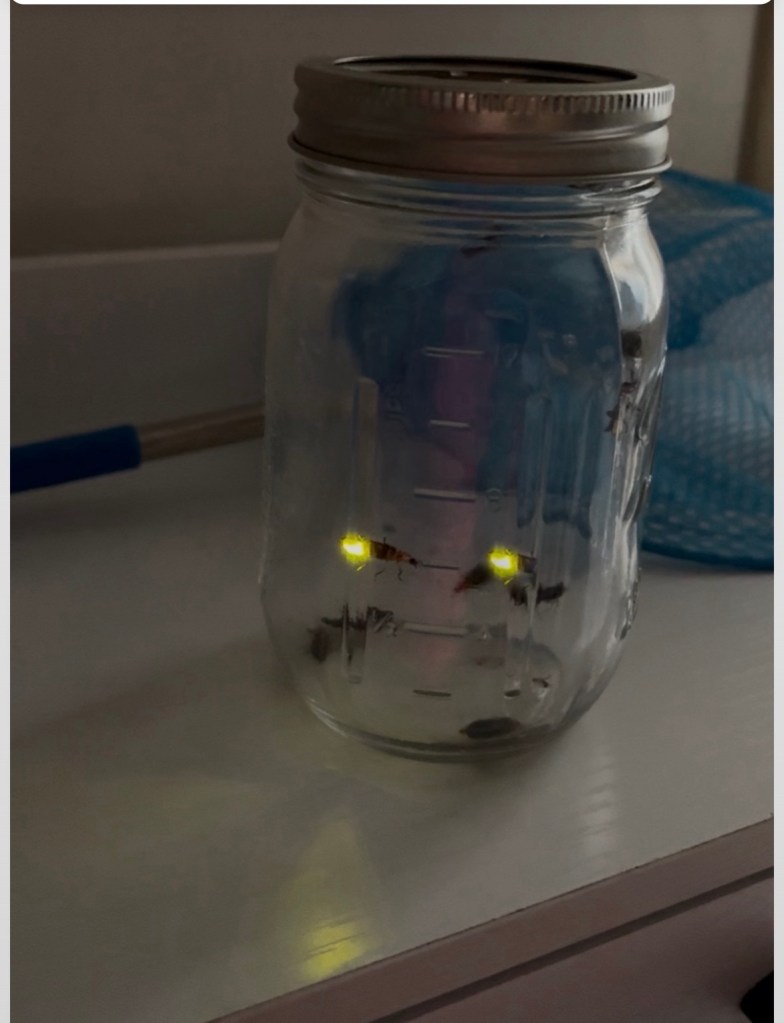
There is a friend who sticks closer than a brother. And then there is a friend who will drive 20 minutes at 10:00pm to press into your hand a jar with two potentially slightly smooshed fireflies that she probably caught while barefoot in the yard her pajamas, but she listened to you bare your soul that day, and she knew that’s all you needed to keep going right now— two, tiny, flickering lanterns to remind you that the dark doesn’t win. Not today.
They weren’t spectacular. They weren’t a grand, sweeping gesture that would make waves on social media. They were just two bugs in a repurposed canning jar, their rhythm a little frantic, casting a faint, irregular glow against the dashboard of her car.
But as she handed them over, her hair still tangled from the evening wind, it hit me: This is what real love looks like.
We live in a world that thrives on “let me know if you need anything” text messages—well-meaning, but safely tucked behind a screen. We have become experts at offering passive support. But a firefly friend? A firefly friend doesn’t wait for an invitation to the tragedy. They don’t need a clean house, a put-together version of you, or even a logical explanation for why your world is tilting on its axis.
They just show up. Even if it’s late. Even if they’re in their pajamas. Even if all they have to offer is a fragile, fleeting piece of light they chased down in the dark just for you.
When you bare your soul to someone, you hand them your vulnerability. It’s terrifying. You wonder if you’ve said too much, if you’ve become a burden, or if they’re secretly judging the mess. But the right people don’t look at your broken pieces and see a chore. They see an opportunity to hold the flashlight while you figure out how to put things back together.
Last night, those two slightly smooshed fireflies told me three things I desperately needed to hear:
1. “I listened.” My friend didn’t just hear my words; she felt the weight behind them.
2. “You are worth the effort.” Worth the drive, worth the mosquito bites, worth the interruption to her night, a night that if we are being honest, SHE should have been the one in bed early having gifts dropped by!
3. “You are not alone in the dark.”
If you are lucky enough to have a friend like this, pull them close. Thank them. Let them know that their messy, barefoot magic saved you. And if you’re sitting there wondering where your firefly friend is, maybe this is your invitation to be one. Look around your circle today. Who is sitting in the dark? Who just bared their soul?
You don’t need a grand plan, a perfect speech, or a pristine gift wrapped in a bow. Sometimes, all it takes is a willingness to run out into your own yard, catch whatever little bit of light you can find, and bring it straight to their door.
Because at the end of the day, we aren’t the source of the light anyway—we are just the ones called to carry it.
When God asks us to love our neighbors, He doesn’t ask for a flawless production. He asks for a willing heart. He takes our smallest, messy, “yard-caught” efforts and multiplies them by His grace.
So if you’ve been waiting until you have it all figured out, or until your offering feels “good enough,” take a deep breath and let that pressure go. Step out into the dark, trust the One who commands the stars, and go share the flicker you have. You might be surprised by just how brightly God can shine through the cracks of your ordinary, beautiful obedience.
My dresser drawers are an awkward level of stuffed right now. You see, the calendar says we are between Spring and Summer— the time of year when the temps warm up to a delightful cozy warm, but still cool enough to enjoy being outside without your face melting. This year however, we seem locked into some eternal cold front of a winter that is reluctant to release its grip. So I have all my cozy cool weather clothes, but there have also been handfuls of days warm enough to unpack some short sleeves and other summer clothes, so slowly my dresser has become a mish mash of three different seasons. My shoe basket is piled high with a mashup of boots, flip flops, baseball caps, and beanies, lending no real clarity to which season we are actually in.
And honestly, I think my heart has looked a lot like my dresser lately—a strange mixture of seasons all occupying the same space at the same time.
There are things in my life right now that feel deeply good. Prayers being answered. Unexpected joy. Moments that make me laugh so hard I forget, for a second, how heavy life can be. There are relationships growing, little victories worth celebrating, reminders of God’s kindness showing up in ordinary places.
And yet, folded right beside those things are grief, uncertainty, exhaustion, disappointment, and questions I still don’t have answers to.
I keep wanting to organize it all neatly. To separate the winter from the summer. To decide whether this season is hard or beautiful. Joyful or painful. Hopeful or heartbreaking. But life rarely fits into tidy drawers.
Scripture is full of people holding both. The Israelites carried promised land hope while still wandering in wilderness dust. David wrote songs of praise with tears still wet on his face. Martha confessed deep belief in Jesus while standing beside her brother’s grave. Even Jesus, on the night before the cross, broke bread with His friends while fully aware of the suffering ahead.
Faith was never pretending one season didn’t exist. Faith is trusting God enough to hold all of it honestly.
Maybe maturity in Christ looks less like “finally getting to the good part” and more like learning that God is present in every part. In the celebrations and the sorrow. In the healing and the waiting. In the warmth of summer days and the lingering chill that refuses to leave.
Maybe the goal is not to force our lives into one season at a time, but to recognize that sometimes God grows things in the tension of both.
So for now, my drawers remain overstuffed and confused. My shoe basket still looks ridiculous. And my heart still carries both gratitude and grief at the exact same time.But I’m learning this; the coexistence of joy and pain does not mean God is absent. Sometimes it is the clearest evidence that He is gently teaching us how to become people who can hold both hope and heartbreak without letting either one define us completely.
And maybe that messy middle place — where winter and summer overlap — is holy ground after all.