Friendship

Chasing Fireflies: The Anatomy of a Late-Night Rescue

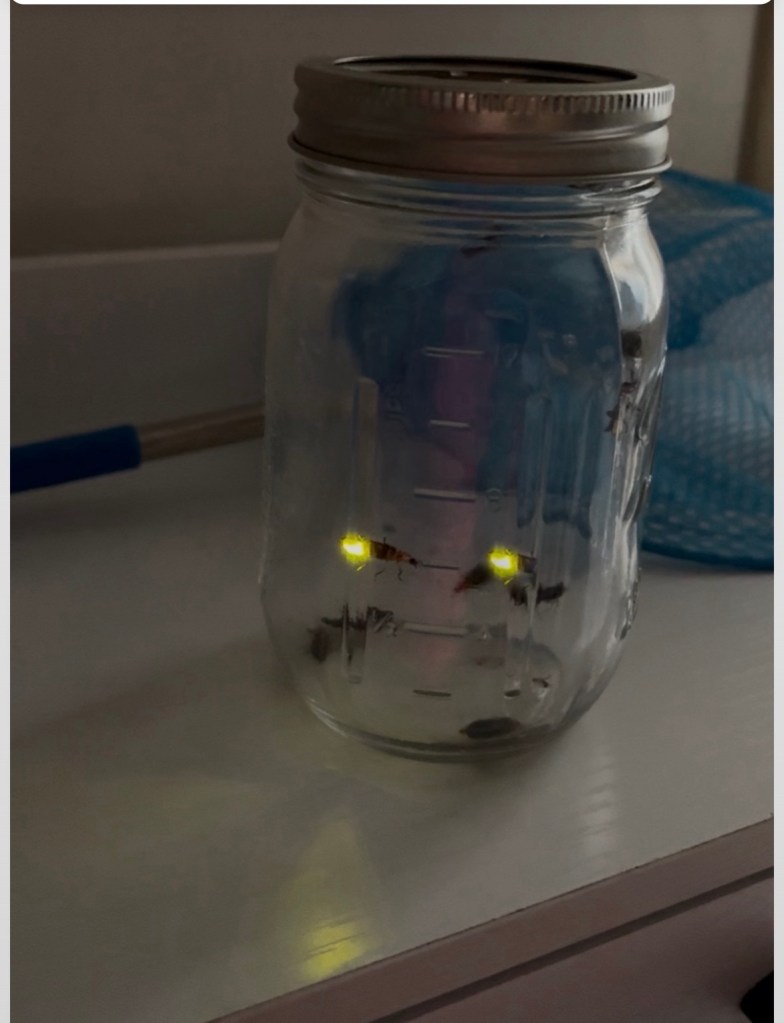
There is a friend who sticks closer than a brother. And then there is a friend who will drive 20 minutes at 10:00pm to press into your hand a jar with two potentially slightly smooshed fireflies that she probably caught while barefoot in the yard her pajamas, but she listened to you bare your soul that day, and she knew that’s all you needed to keep going right now— two, tiny, flickering lanterns to remind you that the dark doesn’t win. Not today.

They weren’t spectacular. They weren’t a grand, sweeping gesture that would make waves on social media. They were just two bugs in a repurposed canning jar, their rhythm a little frantic, casting a faint, irregular glow against the dashboard of her car.

But as she handed them over, her hair still tangled from the evening wind, it hit me: This is what real love looks like.

We live in a world that thrives on “let me know if you need anything” text messages—well-meaning, but safely tucked behind a screen. We have become experts at offering passive support. But a firefly friend? A firefly friend doesn’t wait for an invitation to the tragedy. They don’t need a clean house, a put-together version of you, or even a logical explanation for why your world is tilting on its axis.

They just show up. Even if it’s late. Even if they’re in their pajamas. Even if all they have to offer is a fragile, fleeting piece of light they chased down in the dark just for you.

When you bare your soul to someone, you hand them your vulnerability. It’s terrifying. You wonder if you’ve said too much, if you’ve become a burden, or if they’re secretly judging the mess. But the right people don’t look at your broken pieces and see a chore. They see an opportunity to hold the flashlight while you figure out how to put things back together.

Last night, those two slightly smooshed fireflies told me three things I desperately needed to hear:

 1. “I listened.” My friend didn’t just hear my words; she felt the weight behind them.

 2. “You are worth the effort.” Worth the drive, worth the mosquito bites, worth the interruption to her night, a night that if we are being honest, SHE should have been the one in bed early having gifts dropped by!

 3. “You are not alone in the dark.”

If you are lucky enough to have a friend like this, pull them close. Thank them. Let them know that their messy, barefoot magic saved you. And if you’re sitting there wondering where your firefly friend is, maybe this is your invitation to be one. Look around your circle today. Who is sitting in the dark? Who just bared their soul?

You don’t need a grand plan, a perfect speech, or a pristine gift wrapped in a bow. Sometimes, all it takes is a willingness to run out into your own yard, catch whatever little bit of light you can find, and bring it straight to their door.

Because at the end of the day, we aren’t the source of the light anyway—we are just the ones called to carry it.

When God asks us to love our neighbors, He doesn’t ask for a flawless production. He asks for a willing heart. He takes our smallest, messy, “yard-caught” efforts and multiplies them by His grace.

So if you’ve been waiting until you have it all figured out, or until your offering feels “good enough,” take a deep breath and let that pressure go. Step out into the dark, trust the One who commands the stars, and go share the flicker you have. You might be surprised by just how brightly God can shine through the cracks of your ordinary, beautiful obedience.
Friendship, Uncategorized

Curiosity & Caring

There’s a sacredness to suffering that not everyone understands.

When someone is walking through the deep waters—when every breath feels borrowed and every day is held together by grace—questions can become sharp without ever meaning to be. Have they given you a timeline? What treatments are they trying next? How bad has it gotten? Have they told you when they expect you to die?

Some of those seem atrocious, but they are questions we have actually answered had to field at one time or another. Sometimes these questions slip out clothed as concern, but they land like cold hands on tender skin.

Curiosity is not the same as caring. Curiosity wants information. Caring wants presence. Curiosity circles around pain to peer inside. Caring steps into the shadows and sits down beside you. Curiosity tries to relieve its own unease. Caring is willing to feel uncomfortable just so you don’t feel alone.

I’ve learned there is a holy difference.

I don’t mind sharing pieces of my journey—there is beauty, even here, and God’s fingerprints are everywhere. But when the conversation turns to timelines for my dying or details of treatments that stretch my limits just to endure… that crosses into a territory my soul guards carefully. It’s not because I’m ashamed or afraid. It’s because this is holy ground for me and my family. We are living it, breathing it, praying through it. I am learning to trust God in the dark, and trust is fragile when handled carelessly.

What I welcome—what I desperately treasure—are those who choose presence over answers.

The ones who say, “I’m here.”

The ones who quietly hold space when the tears come.

The ones who don’t need to know the forecast of my future to love me faithfully in my present. The ones who walk with us without needing to understand every detail of the valley. This is the love that looks like Christ.

He never demanded explanations from the suffering. He didn’t ask the bleeding woman for her medical history or the blind man for an exact timeline of his decline. He simply came close. He touched. He healed. He stayed.

He showed us that compassion doesn’t interrogate—it accompanies.

And so we lean into the nearness of God and into the arms of those who reflect Him, the ones who simply show up. The ones who see us instead of studying us. The ones who offer presence instead of probing questions.

If you want to walk beside me, you don’t need to understand every piece of what’s happening. You don’t need updates or timelines. You don’t need the painful details.

You just need a willing heart and a steady step.

Sit with me. Pray with me. Laugh with me. Hold hope with me when I’m tired. Remind me that God is still good, still here, still leading us home.

Curiosity might reach for facts, but caring reaches for hands.

And in this season, hands—and hearts—are what hold me up.

Friendship, Uncategorized

The Seasons of Staying

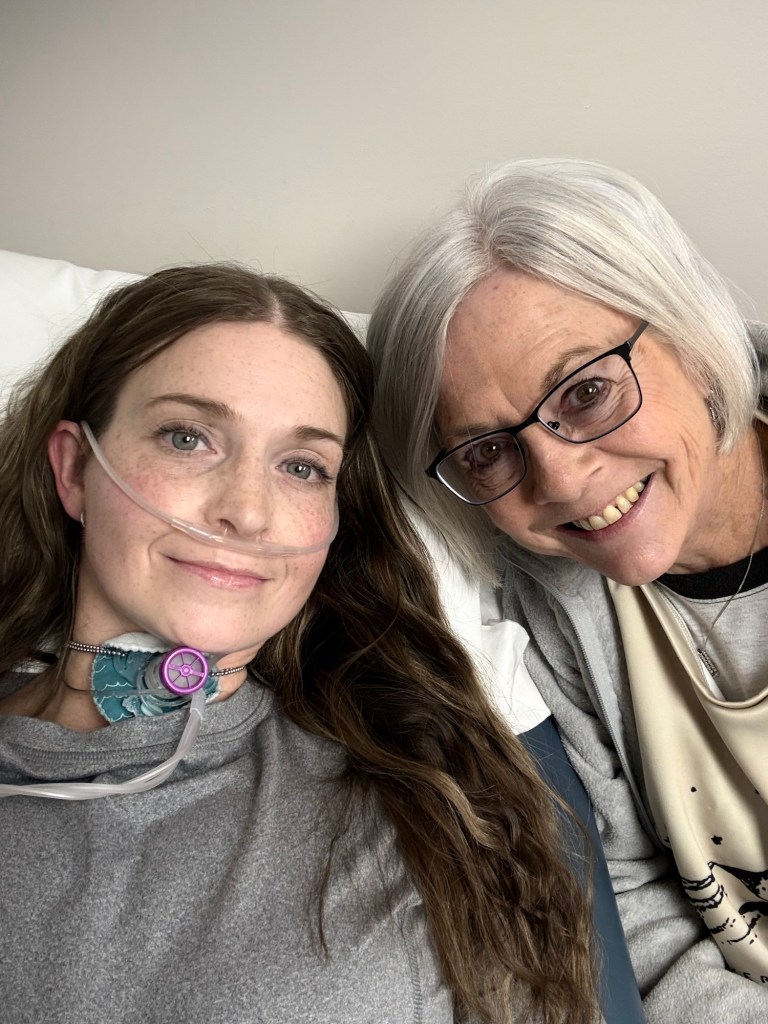
Being a friend of someone with terminal illness must be quite the roller coaster. I’ve had the privilege a few times, but never for so long a stretch of time as my illness has asked of my tribe. That in itself is a beautiful gift, but the cost of it is also not lost on me.

Being a friend of someone with terminal illness must be quite the roller coaster. I’ve had the privilege a few times, but never so long a stretch of time as my illness has asked of my tribe. That in itself is a beautiful gift, but the cost of it is also not lost on me.

There’s something both sacred and sorrowful about watching friendships move through the seasons when you are the one who is dying. In the beginning, the circle is wide — full of love and meals, visits and prayers, the kind of tender urgency that comes when people don’t yet know what to do but feel compelled to do something. It’s a holy flood of kindness, and it humbles you to your core.

But time, as it does, stretches. Months turn into years, and the edges of the circle shift. Some friends drift quietly into the background, not because they stopped caring, but because life resumes its relentless rhythm. Kids grow, careers change, and the crisis that once felt immediate now lives in the quieter corners of their awareness.

And honestly? I get it. I’ve been that friend before too — before this diagnosis rewrote my sense of time. I’ve meant to reach out and didn’t. I’ve avoided pain I didn’t know how to face. I’ve loved someone deeply and still failed to show up in the way I wish I had. So I hold that understanding now with open hands and no resentment, just a bittersweet ache that love sometimes outlasts proximity.

What’s left are the ones who stay through the long middle — not just the early crisis or the final goodbye, but the drawn-out, unpredictable middle where the reality of terminal illness stops being dramatic and just becomes life. They sit with me in the mundane. They ask the unglamorous questions. They know when to come close and when to give space. They’ve learned that faithfulness doesn’t always look like constant presence, but steady presence.

And then, there are those who come back — friends who circle in again after time away, sometimes awkwardly, often tenderly. Their return feels like mercy. It reminds me that love isn’t linear; it’s tidal. People ebb and flow in and out of each other’s lives, and that movement, too, can be grace.

I used to think loyalty meant never leaving. Now I think it means being willing to return.

So to my friends — those who have stayed, drifted, returned, or simply remembered me from afar — please know this: your love has carried me. Every text, every silence, every prayer whispered when you didn’t know what to say has mattered.

Illness has taught me that friendship isn’t measured in constant nearness but in the threads of care that remain, even when time and distance stretch them thin.

If I could sum it up, I’d say this: the seasons of friendship are not a sign of failure, but of humanity. And what a fragile, beautiful, sacred thing it is to be human together — even in the shadow of goodbye.

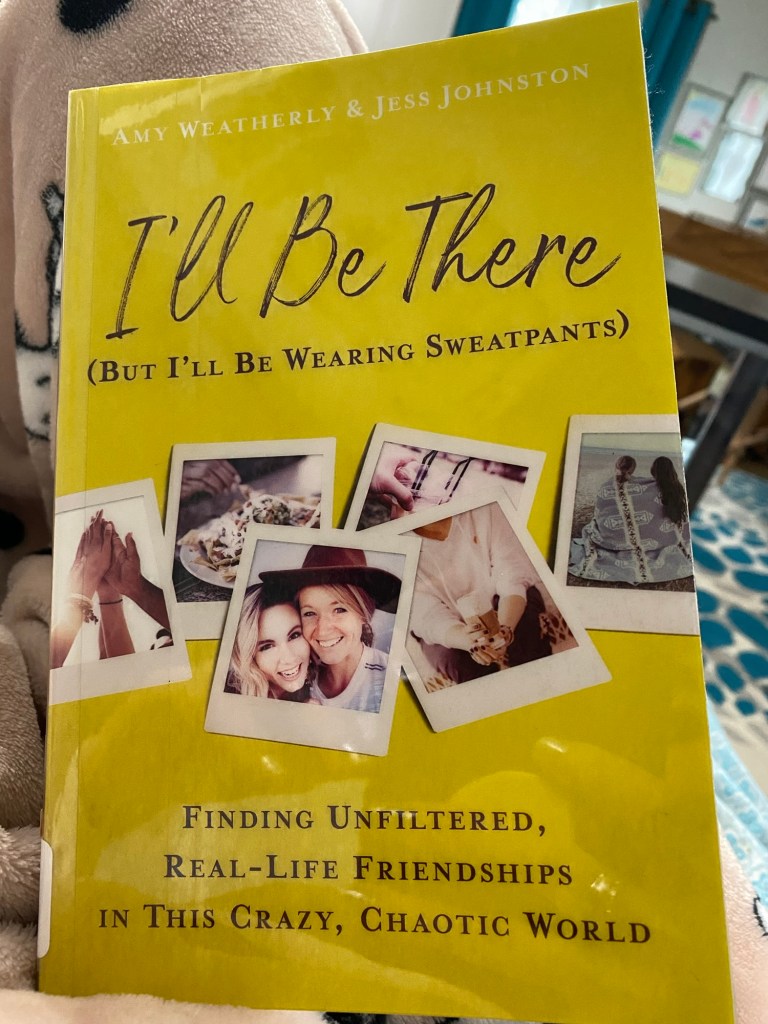
One of my all time favorite reads!