
This week a friend stopped by with her baby whom I hadn’t had the chance to meet yet. I reached out my arms to hold her, probably more out of habit and an illusion of normalcy than having actually thought it through. I kept both arms wrapped around her body snuggly, making sure she was secure despite my lack of muscle strength. After a few minutes, when I felt my arms begin to tire, I handed her back to her mom.
Later that day I had to register for an appointment at the hospital that required me to converse with a remote employee through video, and we spoke to each other through a telephone line. Nearly halfway through the process as I held the plastic phone receiver to my ear I thought I wouldn’t be able to finish due to the shaking and fatigue in my arm. It felt like I had maxed out on pushups at the gym that day, only all I had done was 5 minutes of baby cuddling.
When I tried to explain these events to people in my life and express the fear and frustration it made me feel, I was largely met with the awkwardness of them not knowing what to say. My unmet, yet unspoken expectations led to uneasy silence and a longing to be understood.
As much as I thought and hoped this was an isolated event from pushing my arms beyond their comfort level, I have discovered a more unsettling trend. My arms continue to struggle to keep up. Folding laundry proves to be a feat of endurance, frequent breaks, and deciding pj’s will live just fine rumpled in the drawer instead of neatly folded. Holding my phone to my ear feels like a test of wills, and even typing out text messages brings the hot burn of fatigue and necessary rests.

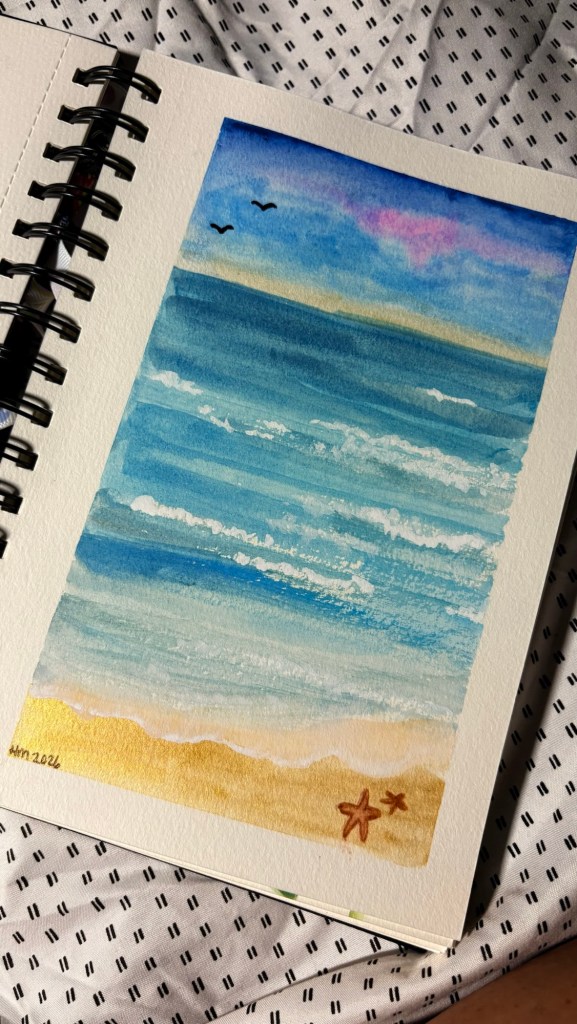
I haven’t pulled out any art supplies in weeks now; the promise of fatigue coupled with the effort it takes just to get started has sadly been greater than the joy of creating. It feels like watching pieces of myself drift out to sea while I stand on the shoreline, completely unable to swim out and bring them back.
When your body begins to trade away simple abilities—things you took for granted just yesterday—it is easy to feel entirely abandoned. We live in a world that praises strength, endurance, and productivity. When those crumble, we wonder where God fits into the weakness. Why does a God who is capable of sustaining galaxies allow holding a phone or folding a shirt to feel like an insurmountable mountain?
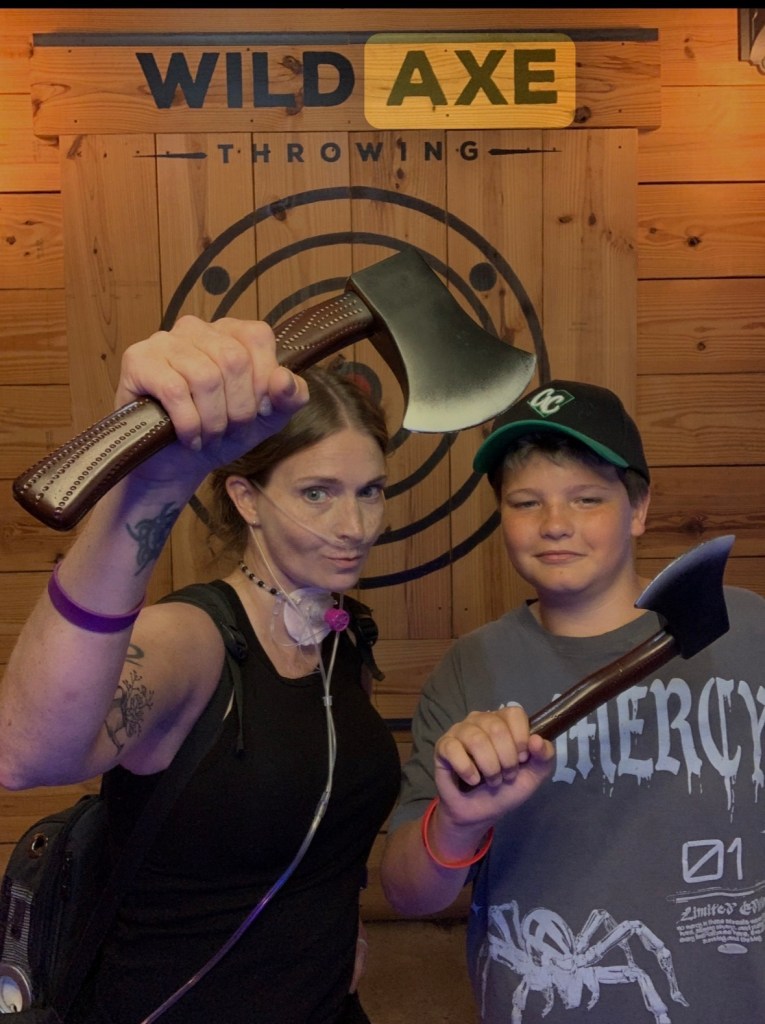
In the uncomfortable silence of my own changing reality, I turned to Scripture looking for a hero, but instead, I found a scene of profound human weakness. During Israel’s battle against the Amalekites in Exodus, Moses stood on top of a hill holding up the staff of God. As long as his hands were raised, Israel prevailed; whenever he lowered them, they faltered. But Moses was human. The story reads, “When Moses’ hands grew tired, they took a stone and put it under him and he sat on it. Aaron and Hur held his hands up—one on one side, one on the other—so that his hands remained steady till sunset.”
We often preach about faith moving mountains, but here, holiness looked like needing a rock to sit on and two friends to carry the weight of tired arms. I’ve spent days frustrated that my arms couldn’t hold a baby or a telephone receiver. But God has been gently showing me two powerful truths in this valley.
The first is that His grace is perfected in our actual limits, not our imagined strength. Paul wrote in 2 Corinthians that the Lord told him, “My grace is sufficient for you, for my power is made perfect in weakness.” God does not require us to put on a brave face or pretend we are stronger than we are. When my arms shake, His strength isn’t diminished—it is highlighted. My worth was never tied to my physical endurance, my folded laundry, or my artistic output. It was, and always is, anchored in His love.
The second truth I am being reminded of is that we were never meant to carry the weight alone. When people in my life didn’t know what to say, it wasn’t because they didn’t care; it was because physical suffering is uncomfortable to witness. But just like Moses needed Aaron and Hur, we need grace-givers who will sit with us in the silence, who don’t need us to be “fixed” to love us, and who are willing to hold up our arms when we simply cannot. And even when human understanding falls short, Jesus remains the One who understands our every weakness, leaning in closer rather than pulling away.
If you are standing in a season where your capacity feels diminished—whether through chronic illness, burnout, or quiet suffering—hear this today: You are allowed to grieve what you’ve lost. You are allowed to leave the clothes rumpled in the drawer.
God is not waiting for you to recover your strength before He draws near to you. He meets you right here in the fatigue, in the quiet frustration, and in the empty hands. You don’t have to carry it all. When our strength runs out, His grace takes over.