Uncategorized, Friendship

The Seasons of Staying

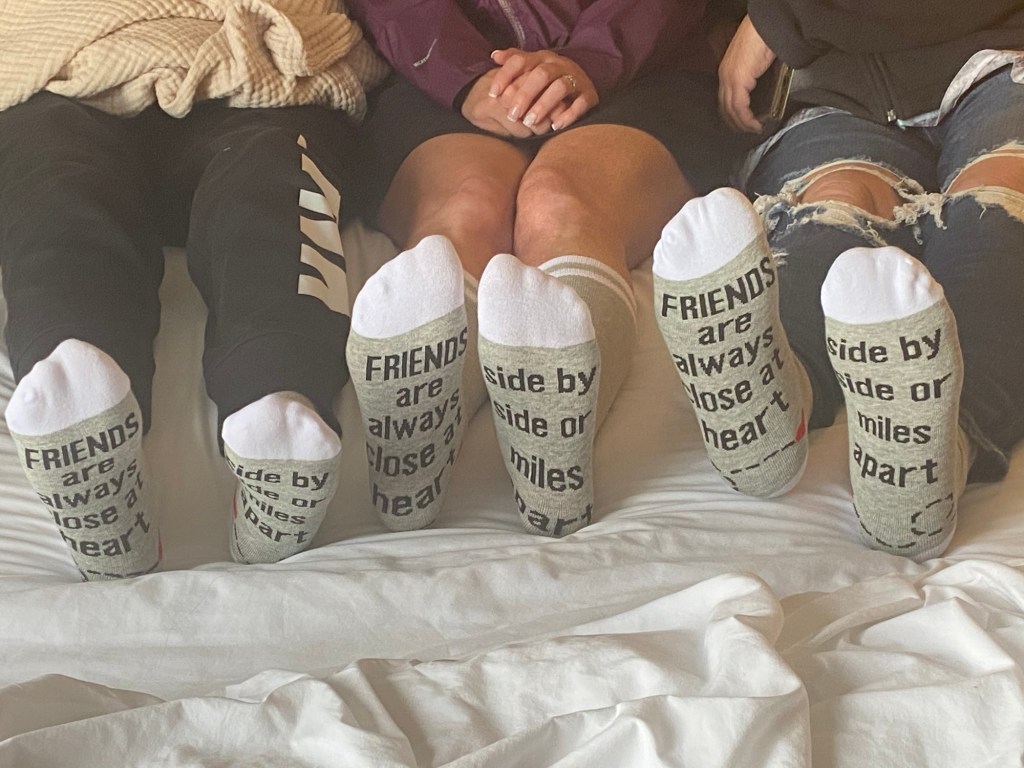
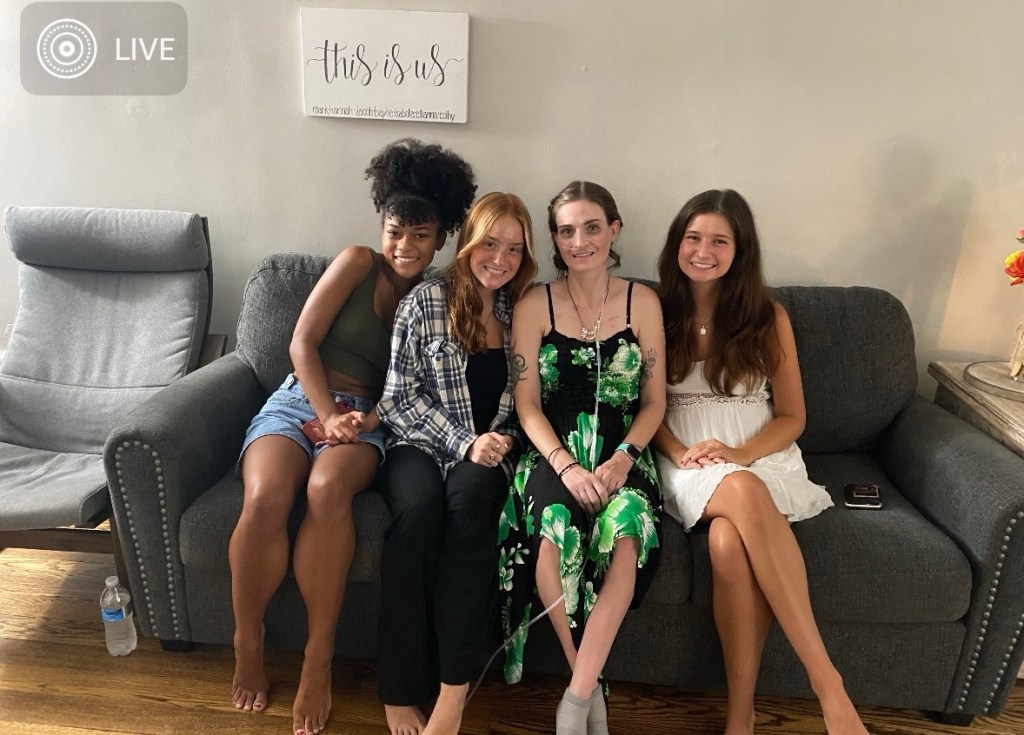
Being a friend of someone with terminal illness must be quite the roller coaster. I’ve had the privilege a few times, but never for so long a stretch of time as my illness has asked of my tribe. That in itself is a beautiful gift, but the cost of it is also not lost on me.

Being a friend of someone with terminal illness must be quite the roller coaster. I’ve had the privilege a few times, but never so long a stretch of time as my illness has asked of my tribe. That in itself is a beautiful gift, but the cost of it is also not lost on me.

There’s something both sacred and sorrowful about watching friendships move through the seasons when you are the one who is dying. In the beginning, the circle is wide — full of love and meals, visits and prayers, the kind of tender urgency that comes when people don’t yet know what to do but feel compelled to do something. It’s a holy flood of kindness, and it humbles you to your core.

But time, as it does, stretches. Months turn into years, and the edges of the circle shift. Some friends drift quietly into the background, not because they stopped caring, but because life resumes its relentless rhythm. Kids grow, careers change, and the crisis that once felt immediate now lives in the quieter corners of their awareness.

And honestly? I get it. I’ve been that friend before too — before this diagnosis rewrote my sense of time. I’ve meant to reach out and didn’t. I’ve avoided pain I didn’t know how to face. I’ve loved someone deeply and still failed to show up in the way I wish I had. So I hold that understanding now with open hands and no resentment, just a bittersweet ache that love sometimes outlasts proximity.

What’s left are the ones who stay through the long middle — not just the early crisis or the final goodbye, but the drawn-out, unpredictable middle where the reality of terminal illness stops being dramatic and just becomes life. They sit with me in the mundane. They ask the unglamorous questions. They know when to come close and when to give space. They’ve learned that faithfulness doesn’t always look like constant presence, but steady presence.

And then, there are those who come back — friends who circle in again after time away, sometimes awkwardly, often tenderly. Their return feels like mercy. It reminds me that love isn’t linear; it’s tidal. People ebb and flow in and out of each other’s lives, and that movement, too, can be grace.

I used to think loyalty meant never leaving. Now I think it means being willing to return.

So to my friends — those who have stayed, drifted, returned, or simply remembered me from afar — please know this: your love has carried me. Every text, every silence, every prayer whispered when you didn’t know what to say has mattered.

Illness has taught me that friendship isn’t measured in constant nearness but in the threads of care that remain, even when time and distance stretch them thin.

If I could sum it up, I’d say this: the seasons of friendship are not a sign of failure, but of humanity. And what a fragile, beautiful, sacred thing it is to be human together — even in the shadow of goodbye.

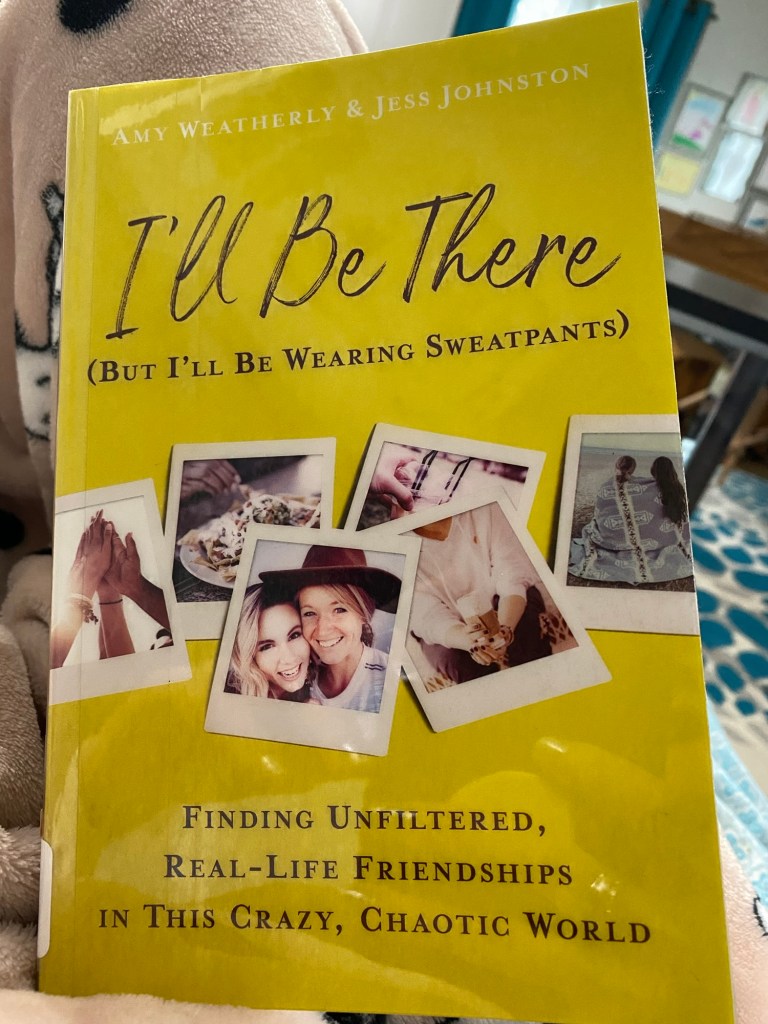
One of my all time favorite reads!

grief

Midnight Tears

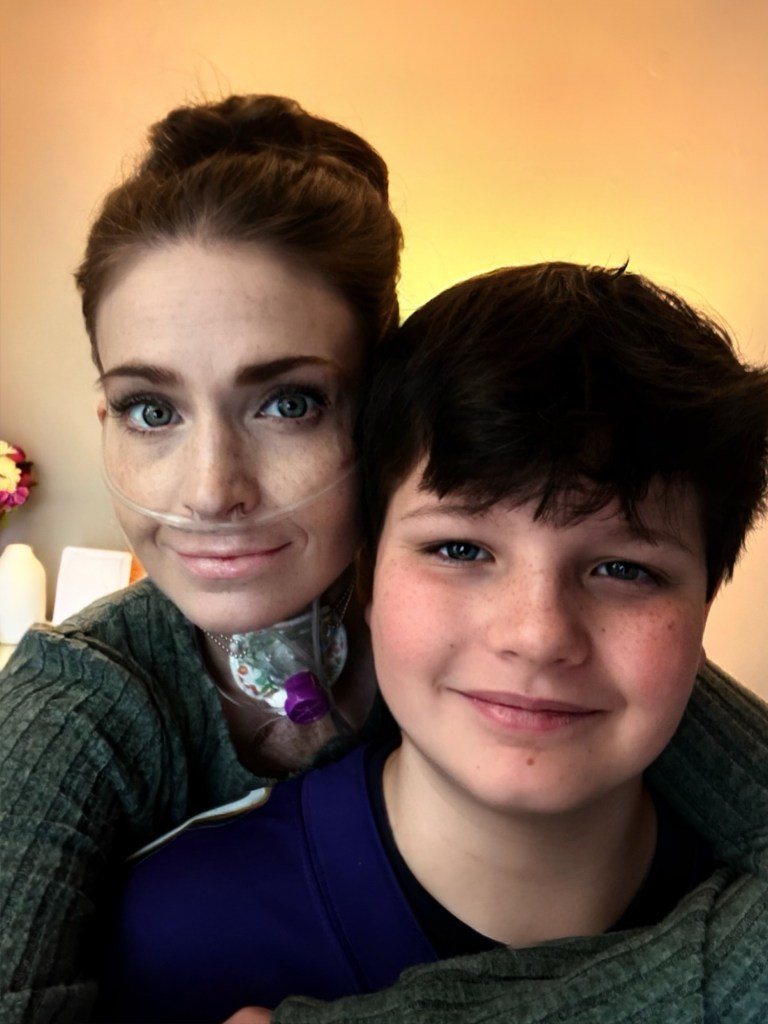
In the ink-black hush of night, I lie awake, my body heavy with fatigue and pain, my heart a storm of grief and longing. Tears fall in quiet rivers, tracing the contours of sorrow I cannot name. I weep for my husband, for the weight this life presses upon him. I weep for my adult children, for the precious hours I wish I could stretch into eternity, to know them more fully, love them more completely. And I weep for my twelve-year-old boy—for the tender, unspoken ache of a mother who knows she cannot protect him from everything, and who feels the relentless pull of her own mortality. There are no words to capture this deep, trembling sorrow.

Yet even in this darkness, there is something sacred. Pain and wonder sit side by side in the same trembling heart. In these midnight moments, when the world is hushed and the stars are silent witnesses, I feel the faint brush of God’s own breath upon me.

As the dark gives way to morning’s first light I walk with my boy through grief toward hope, whispering truths we both need to hear: that this life is but a blink, fleeting, whether our days end at thirty or a hundred and five. None of us are promised tomorrow. Today is the gift—and even suffering, piercing and raw, is not wasted. It is the means by which God presses treasure into our hearts, treasure that lasts beyond the fleeting pulse of this world.

So I hold my boy’s hand and I murmur lessons meant for both of us. That Jesus is enough. That our story does not end in a hospital room or a grave. That heaven is not an escape, but a home we were made for, and sorrow is merely the shadow that makes its light possible.

Infant loss, Uncategorized

Cradled By Heaven

October is awareness month for several things, some I can relate to, and some that are not part of my story. Every year I ponder whether there is anything new to say as the calendar declares it is Pregnancy and Infant Loss Awareness Month, and as I’ve pondered that over this past week, it was impressed on me that there are scores of men and women walking afresh in the pain of this sorrow— mourning empty arms and vacant cradles and the fresh waves of pain that are going to come as we move into the season of celebrating family and togetherness. And that makes me want to share my story again and again, because each hurting heart needs to know their pain is seen, their empty space is held, and their future can contain lasting hope.

There are parts of my story I never imagined I’d be the one to write. I never thought I’d be the mother of children I couldn’t raise— that my arms would know both the fullness of love and the emptiness of loss so profoundly.

I’ve walked through the pain of losing two pregnancies, and I’ve held my precious daughter in my arms only to let her go before I was ready— just four and a half months after she was born.

There are no words for what it feels like to love that deeply and to lose that completely. Even now, years later, I can still feel her weight against my chest, and the flutter of my babies being woven together in my womb. But the pages of my story that I expected would be about them remain achingly blank. My heart still catches at that reality from time to time, like a bruise that never fully fades.

Grief changes everything. It changed how I see the world, how I talk to God, how I measure time—not by days and months, but by memories and milestones that never came. There were nights when I couldn’t pray, when I could only weep into my pillow and hope God heard the sound of it. And faithfully, He did.

He met me right there, not with explanations, but with His presence. I used to think faith meant feeling strong, but now I know it’s just trusting God enough to crumble in His hands. It’s believing He is still good when nothing feels good. It’s holding on to the promise that this life isn’t the end of the story.

I believe that my children are whole and alive in the arms of Jesus— and that one day, I’ll see them again. That hope doesn’t erase the ache, but it redeems it. It gives meaning to my tears and purpose to my pain.

I mother them differently now. In whispered prayers. In the way I try to love people more gently. In the way I cling to eternity a little tighter. Heaven holds what my arms cannot, but even here, in the space between what was and what will be, I still find traces of God’s goodness.

If you know this kind of loss too, I want you to hear this:

You are not alone.

Your story matters.

Your child’s life matters.

Even in this heartbreak, God is holding you and your little ones in the same hands. One day, every tear will be redeemed. Every broken hallelujah will turn into praise. And our arms—these aching, waiting arms—will finally be full again.

faith

When a Voice Falls Silent: A Call to Courage

There are a lot of voices right now. A deafening amount of opinions and points of view. Sometimes it’s difficult to know whether speaking is warranted, or if it will just add to the noise. One thing I know though, is that in the face of devastation, hope is a needed voice to hear.

What happens when a prominent voice for truth is suddenly silenced? When someone who stood boldly, unashamed of the gospel, and unwilling to compromise, is snatched away from us? The temptation is fear. Fear that if they can be taken down, then what about us? Fear that darkness is stronger than light. Fear that speaking up will cost too much.

The missionary Paul reminds us otherwise:

“…I will not be put to shame in anything, but that with all boldness, Christ will even now, as always, be exalted in my body, whether by life or by death. For to me, to live is Christ, and to die is gain.”
‭‭Philippians‬ ‭1‬:‭20-21

This is not the end. Death does not have the final word. Every voice that is silenced here will one day be awakened at the sound of His voice. Every injustice will be answered. Every act of courage will be remembered before the throne of God.

So what do we do if a voice for truth falls silent?

We do not shrink back. We do not hide in fear. We step forward. We take up the torch that has been handed to us. We keep talking, keep living, keep shining. Because the mission was never about one person’s voice alone — it is about God’s truth resounding through His people. (John 5:28-29)

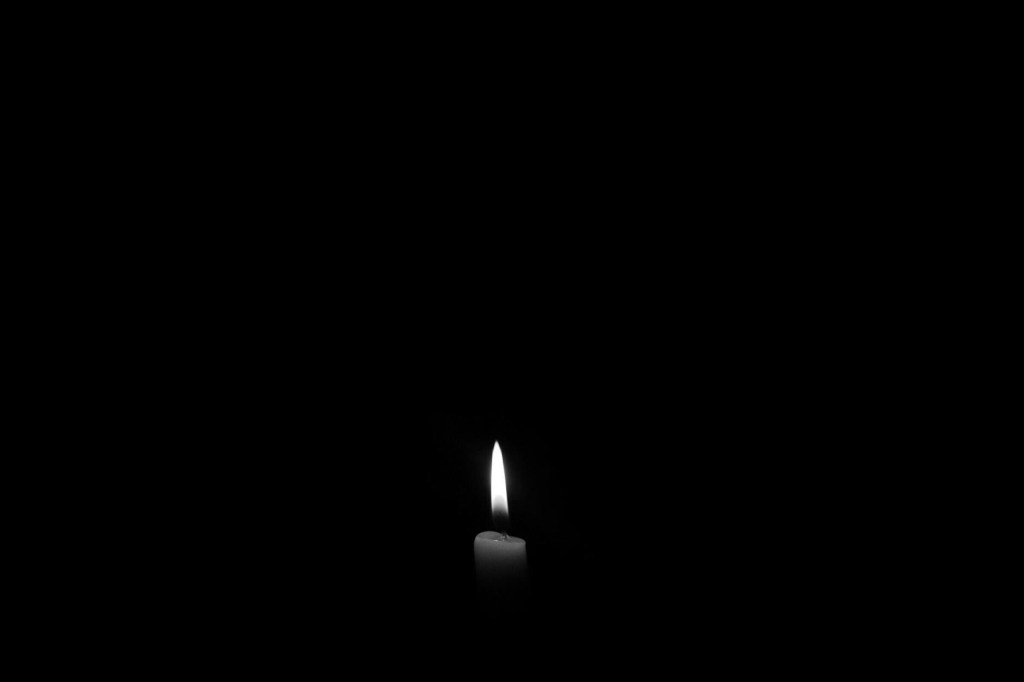
The darker the world gets, the more every flicker of light matters. The more every word of courage echoes. The more every act of faith shines.

Let us not be silent. Let us not cower. Let us not let darkness have the last word. Instead, let us outshine it. Because one day, the tombs will open, the righteous will rise, and the Judge of all the earth will make everything right.

Until then, we keep speaking. We keep living with courage. We keep letting the light shine.

child loss

The Scar That Stays

Today is a scar.

No matter how many years stretch between then and now, July 14th will never pass unnoticed. It pulses quietly beneath the surface all year long, and when it comes, it breaks open again—not as a wound, but as a scar that still aches.

The day my daughter died marked my life in a way that changed everything. There was a before, and there is an after. And though time has moved forward, this day remains. It always will.

Scars are proof of both injury and healing. They say, “Something happened here. Something was torn open, but it didn’t destroy you.” That’s what this day feels like—evidence that something was lost that mattered so deeply, it will never be forgotten. This scar tells a story of love, of longing, of holding on and letting go. It reminds me that grief isn’t a lack of faith—it’s an expression of it. I grieve because I loved, and I still do.

There is comfort in knowing that even Jesus kept His scars. He could have been raised from the dead in flawless perfection, unmarred by crucifixion. But the Father chose to leave the marks. The holes in His hands and side weren’t oversights. They were signs—of suffering, yes, but also of victory. They tell the story of a love so vast it entered into death to bring us life.

Those scars helped Thomas believe. They helped the disciples recognize Him. And they help me, too.

Because if Jesus can carry His scars into glory, so can I.

So can this day.

The pain of this anniversary is real. It isn’t erased by time, or even by the hope I have in Christ. But it is held. Redeemed. It has a place in the larger story God is telling—one in which death is not the end, and scars can become signs of resurrection.

So today, I sit with the ache. I trace the edges of the memory. I let the tears come, because they matter. But I do not grieve as one without hope. I know the One who holds my daughter now. I know He is good. And I know that one day, every tear will be wiped away.

Until then, I carry this scar—not as a symbol of defeat, but as a quiet testimony:

Love lived here.

Hope lives still.

faith, Fatal Illness, grief, hope

Already Gone, Still Here

In the lonely slowness of the in-between, I have discovered something deeply human. A kind of fierce clarity about what matters. An urgent desire to stop faking things just so others won’t be uncomfortable. A pressing yearning to stop wasting words. I can already see who stays. And who doesn’t. Why then do I go to such lengths to create a mirage of okayness so that other people don’t have to reckon with my pain? Why do I smooth over the truth, soften the edges, laugh at the wrong moments—just to make grief more palatable for them?

I think it’s because pretending is the currency of the healthy world. We’re taught to keep things light, manageable, convenient. And when you live in the long shadow of a fatal illness, your reality becomes deeply inconvenient. It disrupts dinner parties. It silences group texts. It taints the joyful camaraderie of a birthday party and unsettles the rhythm of everyone else’s forward motion.

So I contort myself. I wrap my fear in polite phrases. I pad my sorrow with jokes. I give updates that are vague but upbeat. I try not to be too much.

But the cost of that mirage is high. It leaves me lonelier than the illness ever could.

Because here in this slow unraveling, there’s a strange and sacred gift: honesty. The kind that doesn’t flinch. The kind that strips everything down to what’s real and raw and enduring. The kind that doesn’t need to be tied up in a bow.

I’m learning—painfully, awkwardly—that the people who can sit with the truth, even when it’s heavy, are the ones who deserve a front-row seat to what’s left of my life. The rest, kindly, can drift.

This in-between space? It’s not just waiting to die. It’s where I’m learning how to live.

And it’s beautiful and sacred and so much richer than the plot points I would have imagined for my life, and if I am worthy enough to be used for His glory in this way, then I dare not try to contort the storyline that I was written into- one that is not defeat, but is my final triumph.

This is my sacred stage to shine for Jesus- to show a watching world that He is true and every word He spoke is sure. So I will be clinging to His promises like breath itself until my breath is nothing more than the stringy shadow of a vapor hanging suspended in nothingness. If I do that alone then I know it was done with the most honest of intentions, not for the sake of trying to fit into one of the many molds this world would have me choose.

To those of you who were courageous enough to sit near and take fire based on your proximity, I thank you, and I commend you. Know that you did something holy. You didn’t fix it. You didn’t have to. You just stayed—when leaving would have been easier, cleaner, safer. You let the silence speak. You let the pain breathe. You let me be more than just my label.

Know that your presence has been a lifeline. A quiet rebellion against the cultural pull to look away, move on, keep scrolling. You bore witness when I felt invisible. You carried pieces of my grief in your own hands, and somehow, that made it more bearable.

You may not realize the impact you’ve had, but I do. And I will carry the weight of your kindness with me for as long as I have breath.

This long goodbye is not just mine to live—it’s ours to hold. And I am so deeply grateful for those of you who chose to hold it with me.

family

The Heartbreaking Road Home

Not long ago a friend posted something with this quote: “You can’t’ protect your child from their testimony.” Boy did that hit me like a ton of bricks.

As parents, we often carry a silent hope that our children’s lives will be smooth, their paths straight, and their hearts unbroken. We pray for their protection, guidance, and joy. But buried in that desire—however noble—is often the unspoken wish that they never have to walk through darkness. We long to shield them from pain, from failure, from regret. And yet, we forget: testimony is not born in safety. It’s born in the fire.

That line echoes like truth wrapped in heartbreak. Because if you’ve parented long enough, you know: you can’t control the path your child walks. You can guide, you can pray, you can love—but you cannot write their story for them. And sometimes, their testimony includes things you never would have chosen. The very moments you feared—addiction, rebellion, heartbreak, wandering far from faith—may become the places where Jesus meets them most deeply. How easily I forget that this is exactly where Jesus met me in my own life; why would he not do the same for my children?

And that’s where surrender comes in. Real surrender. Not the kind that says, “Lord, keep them safe and comfortable,” but the kind that says, “Lord, whatever it takes.”

Because if their knees hitting the floor is what it takes for them to run to Him, then let it be.

This doesn’t mean we stop parenting or stop praying. It means we stop trying to be their Savior. We trust the One who made them, who knows their every thought, who sees the beginning and the end. We release them into the hands of a God who loves them far more than we do.

It’s not easy to watch your child walk through fire. It’s not easy to hear pieces of their story that break your heart. But it’s necessary sometimes. For them to know grace, they may have to meet the edge of their own strength. For them to recognize light, they may have to sit in some darkness. And for them to know the realness of God, they may have to discover how empty everything else truly is.

So to the parent who is watching a child wander, who is grieving the turns their life has taken, who is praying with trembling hands: take heart. Their story isn’t over. And God’s mercy runs deeper than any pit they may fall into.

Your child’s testimony may not look like the one you hoped for. But it might just be the one that leads them home.

Let go. Trust God. And remember: even the prodigal was still a son.

grief

Trusting God as the Table Changes

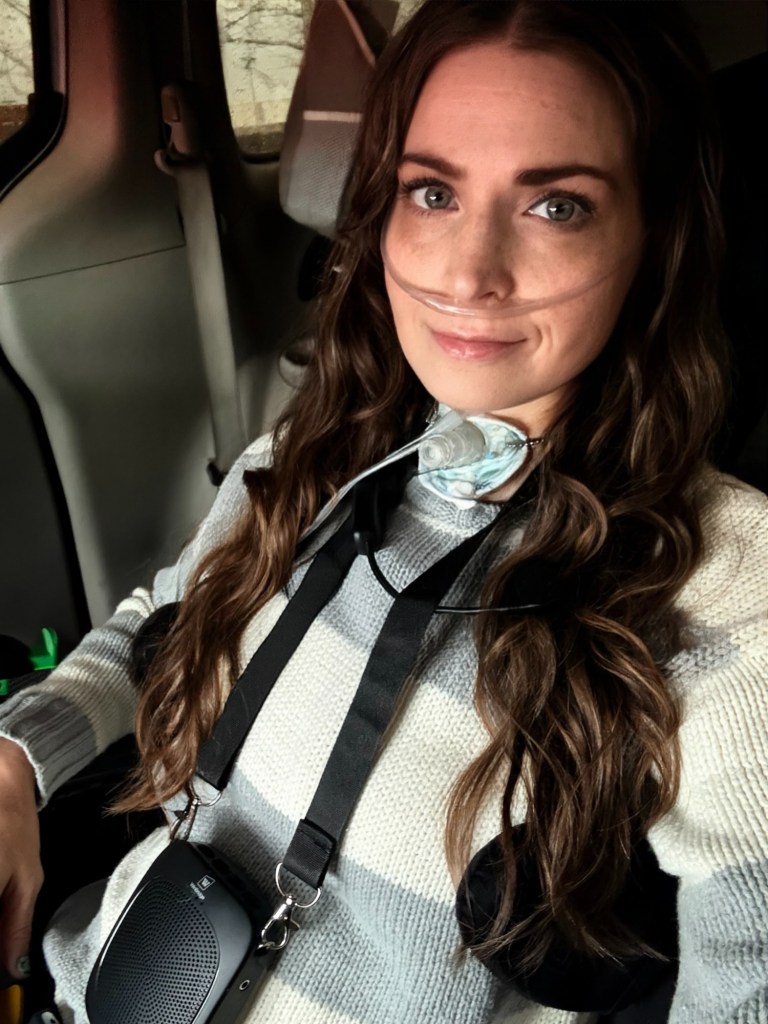
Despite often not having much of an appetite, that has not slowed my consumption of Ben & Jerry’s ice cream, or homemade yogurt, or anything really that resembles the flavor of a pickle. Until today. It was a waffle. A delicious, crisped-to-perfection sourdough waffle with butter and syrup was the red flag that put a stop to eating as I knew it. Truthfully I had noticed over recent weeks that bites were getting caught in my chest and being stubborn to go down, but I had been dismissing it as too big of a bite, or not enough chewing. That was wishful thinking. After a brief check-in with my speech therapist, she confirmed that the dangers of eating by mouth now outweigh the benefit. Fortunately for me I have already had feeding tubes placed for a few years now as my inability to absorb nutrients became a bigger problem. 

So this isn’t entirely unfamiliar ground for me. Still, hearing those words—that food by mouth is no longer safe—hit me in a way I didn’t expect. It’s not just about waffles or yogurt or pickles. It’s about the little pleasures, the ordinary gifts I’ve often taken for granted. The lit candles at my dinner table. The joy of sitting down to eat with others, the taste of something warm and comforting, the way food brings people together. That chapter is closing, and I find myself grieving the loss of it.

But grief, for me, never has the final say.

As I sat with this news today, a quiet truth settled in my heart: I am not sustained by waffles. I am not even ultimately sustained by feeding tubes. My sustenance comes from the Bread of Life—Jesus Himself. He alone satisfies the deepest hunger of my soul. The world may see this as loss, but in Him, there is gain. Not in a shallow, “look on the bright side” kind of way, but in a rooted, unshakable truth that His grace is sufficient for me—even here.

Scripture tells us, “Though outwardly we are wasting away, yet inwardly we are being renewed day by day” (2 Corinthians 4:16). My body may be failing, piece by piece, but I am being upheld, day by day, by the One who does not grow weary. I have tasted and seen that the Lord is good—and that is a flavor I will never have to give up.

So while I may no longer get to enjoy the crispy edges of a sourdough waffle, I rest in the promise of a coming feast—one prepared for me by the King Himself, where no illness, no brokenness, and no feeding tubes will ever be needed again.

Until that day, I will keep showing up to the table of His grace. Because He still meets me there.

Memories

Where Memory and Mercy Meet

Tonight, I was caught in the quiet pull of old photographs, each one a window to a world that felt softer, lighter. I lingered in the hush of memory—bare feet on sun-warmed pavement, sticky fingers clutching melting popsicles, laughter rising like fireflies into a dusk that never hurried. The days before my family knew the heavy grief of suffering through the progression of a fatal illness.

Grief has a way of sharpening our memories. It turns the past into a soft-lit place where pain had not yet knocked at the door. And tonight, I felt that ache—the ache of before.

But as I sat there, surrounded by memories frozen in time, the Lord gently reminded me: He was with us then, and He is with us now.

Hebrews 13:8 says, “Jesus Christ is the same yesterday and today and forever.” While everything around me has changed, He has not. The God who gave us the joy of long summer days and laughter echoing down the hallway is the same God holding us steady in the storm of uncertainty. He does not abandon us in our sorrow; He walks with us through it.

And so, while my heart longs for what once was, I’m learning to give thanks for the beauty that still is. Even in the midst of heartache, there are glimpses of grace—quiet moments of strength I know I didn’t conjure on my own. There’s peace that surpasses understanding, not because life is easy, but because Jesus is near.

These old pictures remind me not just of the sweetness of the past but also of God’s faithfulness throughout the years. I don’t know what tomorrow holds, but I know the One who holds tomorrow—and He is good.

So I’ll hold onto that. I’ll grieve, I’ll remember, and I’ll trust. Because our story isn’t just framed in photographs—it’s being written by a God who redeems, restores, and never lets go.

Mothers Day

This Mother’s Day

I remember being in church the first Mother’s Day after burying my daughter and not being able to contain my sobs as the pastor shared a special tribute to mothers, and I didn’t feel like celebrating at all because I had stood at the edge of eternity and watched a piece of my motherhood be torn from my arms in an instant.

I remember the Mother’s Day after my first miscarriage and how I grieved over having been thrilled to add another arrow to our quiver, only to watch that dream bleed out through the cracks in my heart.

I remember the Mother’s Days during our seasons of infertility, and how I fought to not entertain bitterness toward the expecting mamas in my life because I was crippled by the thought of never being able to expand our family.

I remember the Mother’s Day following our season of foster care, and how I had seen our story being very different from the reality we were living.

I remember Mother’s Day as a child and how the only thing on my mind was the special craft I’d made for my mom, or the flowers I’d picked her, and how this day of celebration felt a whole lot less complicated and emotional back then.

This Mother’s Day I remember that there are those of you all around me that are living out various versions of broken stories that have wounded your dreams and experiences of motherhood, and I see you standing there. I see how this day of celebration comes with so many convoluted emotions; deep grief and heartfelt thankfulness and hopeful expectation. I know that some of you are holding your breath waiting to turn the calendar page to Monday, and that’s ok.

I know today may be especially hard, and I just want you to know that you’re not alone. I pray that God gives you comfort, peace, and strength as you carry both extravagant love and crushing sorrow in your heart. Your pain matters, and so does your story. Allow Him to use these painful and uncertain days to strengthen your trust in Him, to surrender your need for control, and to open your hands wide to the good-hard story that He is writing through you. I promise you it’s worth it.