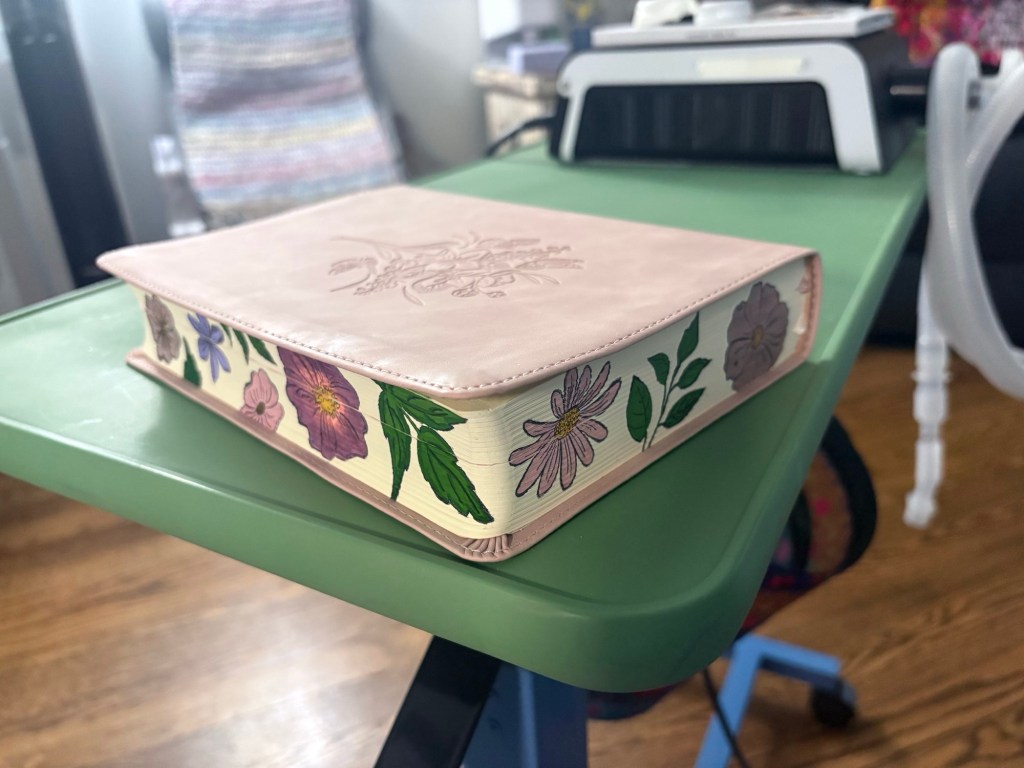
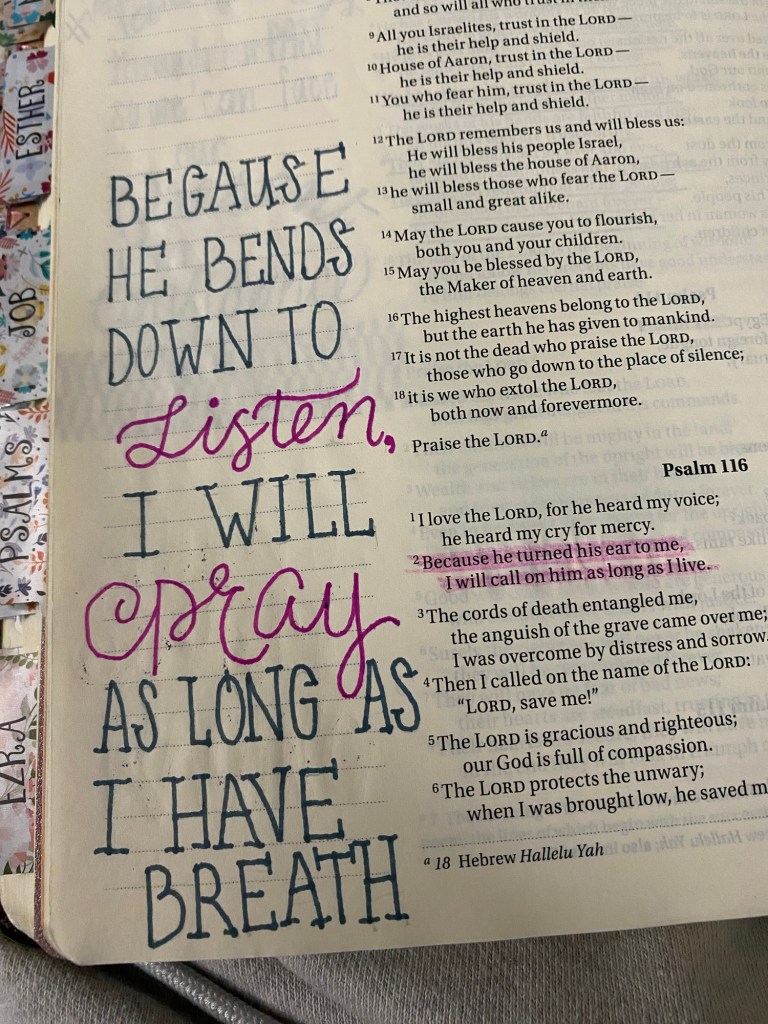
Someone recently asked me what my favorite tangible thing is. It gave me pause, because I don’t think I’ve stopped to wonder over that question, but the answer was clear. My pink journaling Bible.
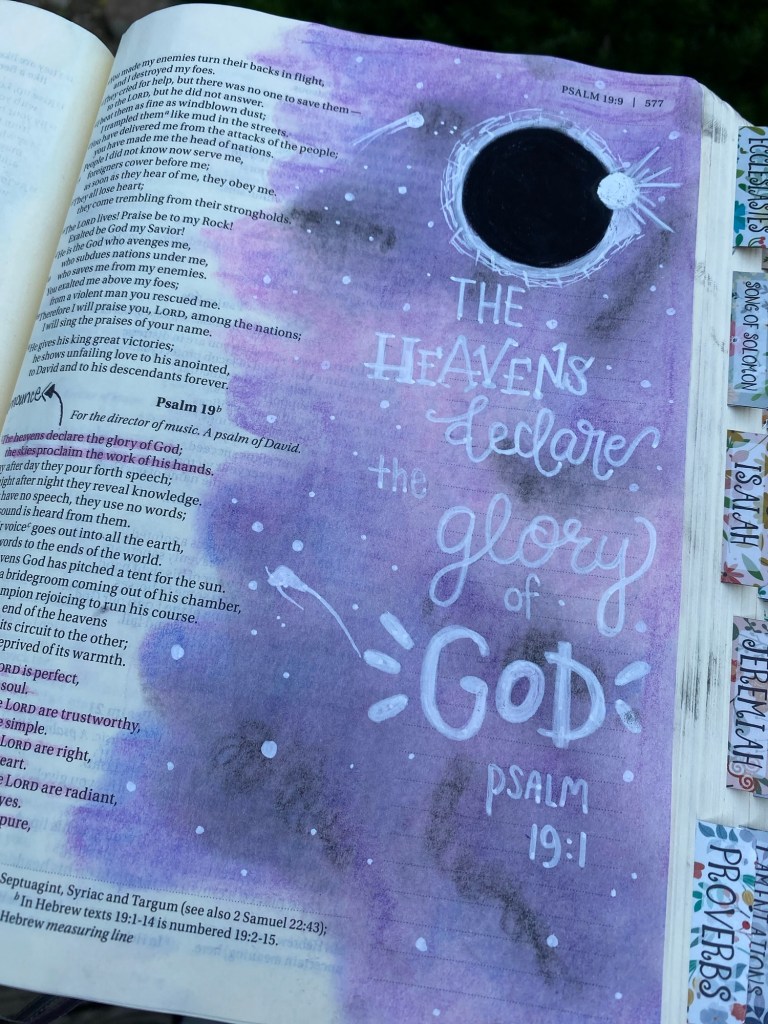
It’s hard to explain, but my pink art journaling Bible isn’t just a book to me—it’s the place where my life with God has actually taken shape in a visible, tangible way.
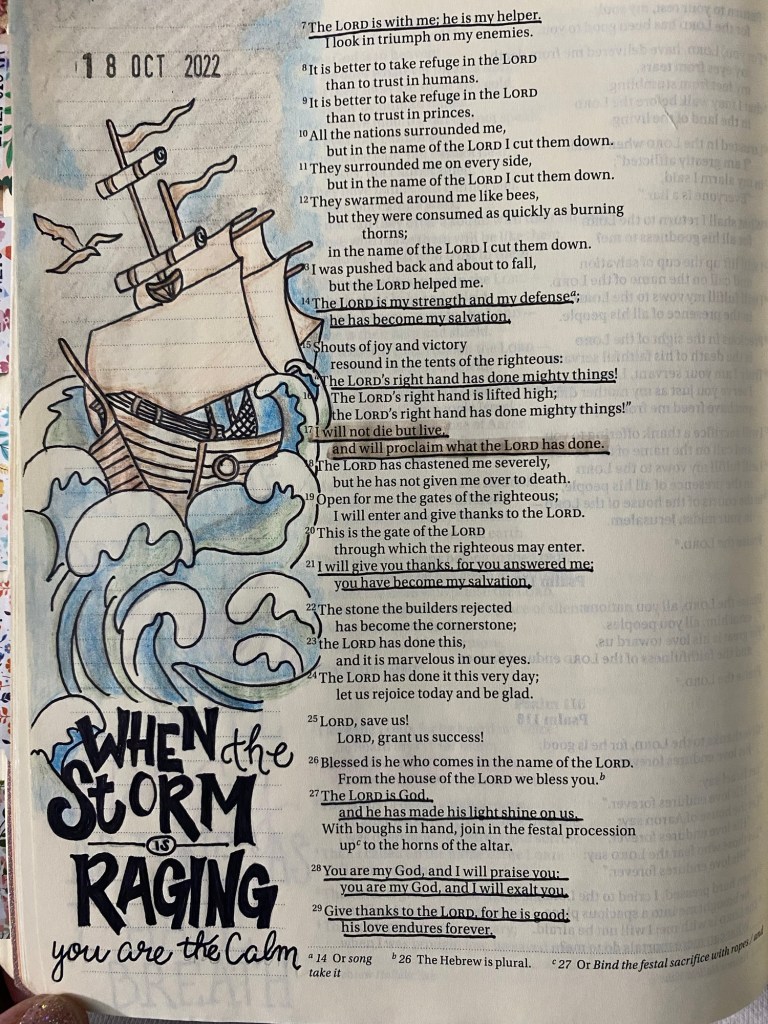
Every page holds more than printed words. It holds prayers I’ve prayed when I didn’t have the strength to say them out loud. It holds questions I’ve wrestled through, verses that steadied me, and moments where something finally “clicked” and I knew God was speaking to me personally. The notes, the colors, the artwork—they’re not decoration. They’re a record of relationship.
Over time, it’s become a kind of memorial. I can flip back and see where I was struggling, where I was growing, and how God met me in those exact places. It reminds me that He’s been faithful, not just in general, but to me—specifically, consistently, and patiently.
It’s also one of the few places where I’ve been completely honest. No performance, no editing—just me showing up as I am. That makes it deeply personal in a way that’s hard to replicate anywhere else.
So when I say it’s my favorite tangible object, it’s not about the Bible itself being pink or artistic—it’s because it carries the history of my walk with God. It’s worn in all the right ways. It’s lived in. And it reminds me who He is, and who I am in Him.
If you watched my video this week about getting new glasses, you undoubtedly noticed its lighthearted tone . I try to add an underscore of humor to all of my videos there, since the goal is education and awareness about MSA, not to garner pity or sad feelings from people. In reality, this latest change for me has been a little more heavy than humorous.
It started when I noticed my vision had pretty rapidly gotten very blurry. I wondered if it was a side effect of one of my medications, or if the slight glasses prescription I already have needed to be updated. When I went in for an eye exam, I learned it was neither. The reason for the profound vision loss I was experiencing was because my disease has weakened the muscles controlling my eyes so much that the blurriness I have been noticing is actually me seeing double.
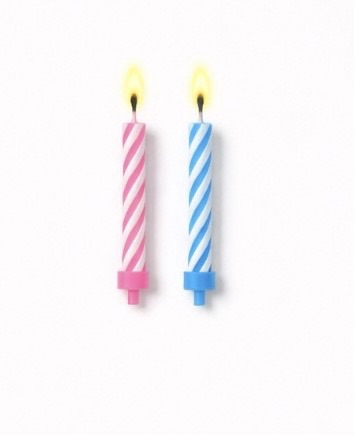
The doctor that saw me that day was so compassionate and kind-hearted; I could tell he truly cared about my situation and wanted the best outcome possible for me. I sat staring through the giant robot-thingie while he dialed in lens after lens, trying to make it strong enough to correct my vision. It got better— the two birthday candles that started a few hand widths apart from each other moved in closer and closer, but even at top strength the candles never merged into one.
So I left the office with a new pair of thick bifocal glasses, feeling very much like the rug had been yanked out from under me by this new development that had not even been on my radar. And truth be told, even with my new specs there is a lot that has been lost as far as what I can see in detail, which in turn affects what I can do.
It was a disheartening blow at first, that left me wondering what I had to offer now. My Etsy business would be affected, my art, my writing… what was left for me to give to the people I love and care about?
For a little while, my mind went to the same place it always used to go when something was taken away from me: What am I still useful for?
Illness has a way of asking that question over and over again. Every new limitation feels like another subtraction sign—another thing crossed off the list of what you once could do.
And if I’m honest, I realized something in the middle of that discouragement: somewhere along the way, I had quietly started believing that my value to God and to other people was tied to my abilities. My productivity. My output. What I could make, build, write, organize, or contribute.
But that has never actually been the way God works.
God never needed my abilities.
He never needed my Etsy shop, or my artwork, or my words, or my capacity to juggle responsibilities and keep producing things that look impressive on the outside. None of those things were ever the offering He was asking for.
What He wanted was always much simpler—and much harder.
He wanted my heart.
When I started reading through Scripture again with this in mind, it was everywhere. Over and over, God makes it clear that He is not impressed with human strength or skill. In fact, He seems to go out of His way to work through weakness.
He chose shepherd boys, stutterers, widows with two coins, fishermen with no education, and people who openly admitted they were afraid and inadequate. Again and again, God reduced the resources so that no one could mistake where the power came from.
Which means my declining abilities are not a surprise to Him.
They don’t disqualify me.
If anything, they strip away the illusion that I ever had something impressive to bring to the table in the first place.
The truth is that my offering was never supposed to be what I could do.
My offering was always supposed to be me.
My trust.
My willingness.
My obedience in whatever small space I’m given today.
The older I get and the more this disease takes, the more God keeps narrowing things down to that single point: Will you still give me your heart when the things you used to rely on are gone?
And the surprising thing is that there is actually a lot of freedom in that question.
Because if God only wanted my abilities, I would eventually fail Him. Bodies break. Energy fades. Vision blurs. Talents come and go.
But if what He wants is my heart, that is something illness cannot take away.
Even on the days when my eyes won’t cooperate, when the candles refuse to merge into one clear image, when I can’t do half the things I used to do… I still have something to give.
I can still choose to trust Him.
I can still choose to love people well.
I can still offer the small, quiet faithfulness of a life surrendered.
And maybe that was the lesson hiding inside this unexpected trip to the eye doctor.
My vision may be fading in ways I never anticipated.
But in a strange way, the picture itself is becoming clearer.
This morning I sat perched in my bathroom and let out a raspy wail. “Ugh, I just wish I could plan a fun and special thing and not have this disease wreck the day and ruin it for me!” My “woe is me” meter was on full tilt as I lamented the evening I had conjured up in my head, even though I still had a solid eight hours until go time.
That’s right where the enemy would have us be, isn’t it? Catastrophizing every ordinary miracle today has to offer because we haven’t taken a moment to stop, give thanks, pray for mercy, and trust that our good Father wants us to experience the good parts just as much as we want them ourselves.
I realized, as I sat there staring at my own tired reflection, that I had already decided how the day would end before it had even begun. I had written a story of disappointment, frustration, and limitation — and then handed it the microphone before God even had a chance to speak into it.
How often do we do that?
We trade possibility for prediction.
We surrender joy to fear.
We allow what might happen to rob us of what is happening.
Illness has a way of shrinking the horizon. It teaches you to measure life in energy units, in symptom flares, in “maybe” and “we’ll see.” But what it doesn’t get to do is dictate where hope lives. That part still belongs to God. And, if I’m honest, sometimes it belongs to my willingness to loosen my grip on expectations.
The truth is, special moments have rarely unfolded the way I imagined them even before sickness entered the room. The most meaningful memories in my life were almost always disguised as interruptions, detours, or completely rewritten plans. Somehow, God has always had a way of sneaking beauty into spaces I was convinced were ruined.
So I sat there and did the only thing I knew to do. I prayed a very unpolished, very honest prayer.
“Lord, I’m scared this day will fall apart. I’m frustrated that my body feels like it has veto power over things my heart longs for. But I trust You more than I trust my fears. Help me to receive whatever today holds — the joy, the disappointment, the laughter, the fatigue — as something You can still use for good.”
Peace didn’t rush in like a tidal wave. It rarely does. Instead, it trickled in like a slow drip from a faucet that someone finally remembered to turn off. My shoulders softened. My breathing steadied. The day didn’t suddenly become guaranteed or predictable, but it became held. And that is often better.
Maybe the miracle isn’t that our plans go perfectly.
Maybe the miracle is that joy can still show up in imperfect circumstances.
Maybe the miracle is that God wastes nothing — not the setbacks, not the symptoms, not even the bathroom floor meltdowns before noon.
I don’t know how tonight will unfold. If I’m honest, part of me still wants to script it, control it, and protect it from disappointment. But I’m learning that tightly gripping expectations often squeezes the life out of the very moments I’m trying to preserve.
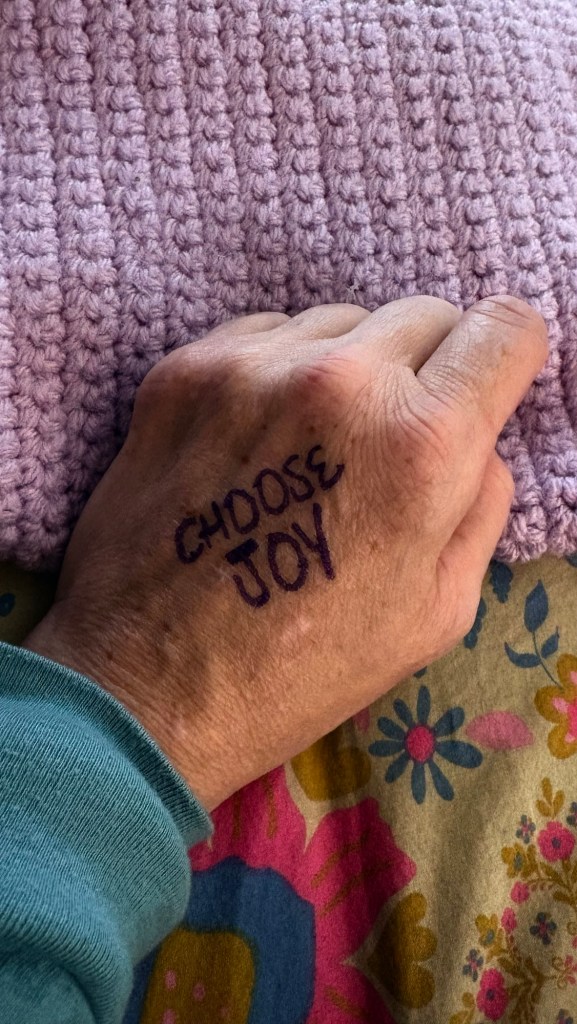
So today, I’m practicing open hands.
Open hands to receive whatever strength God gives.
Open hands to release whatever I cannot control.
Open hands to hold joy gently, without demanding it perform perfectly.
If you’re living in a body, a season, or a circumstance that feels unpredictable, maybe this is your reminder too: you are allowed to hope without guarantees. You are allowed to celebrate even when outcomes feel uncertain. You are allowed to believe that goodness can coexist with limitation.
Our Father is not waiting at the finish line of a perfect day to meet us there. He is walking beside us through the messy, rewritten, grace-filled middle of it all.
And sometimes, that is where the best parts are hiding.
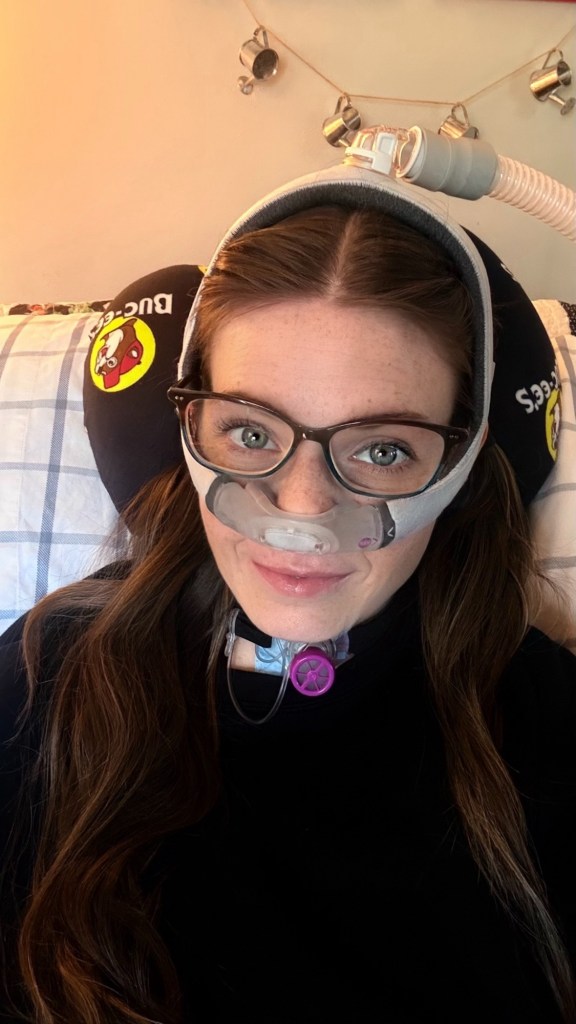
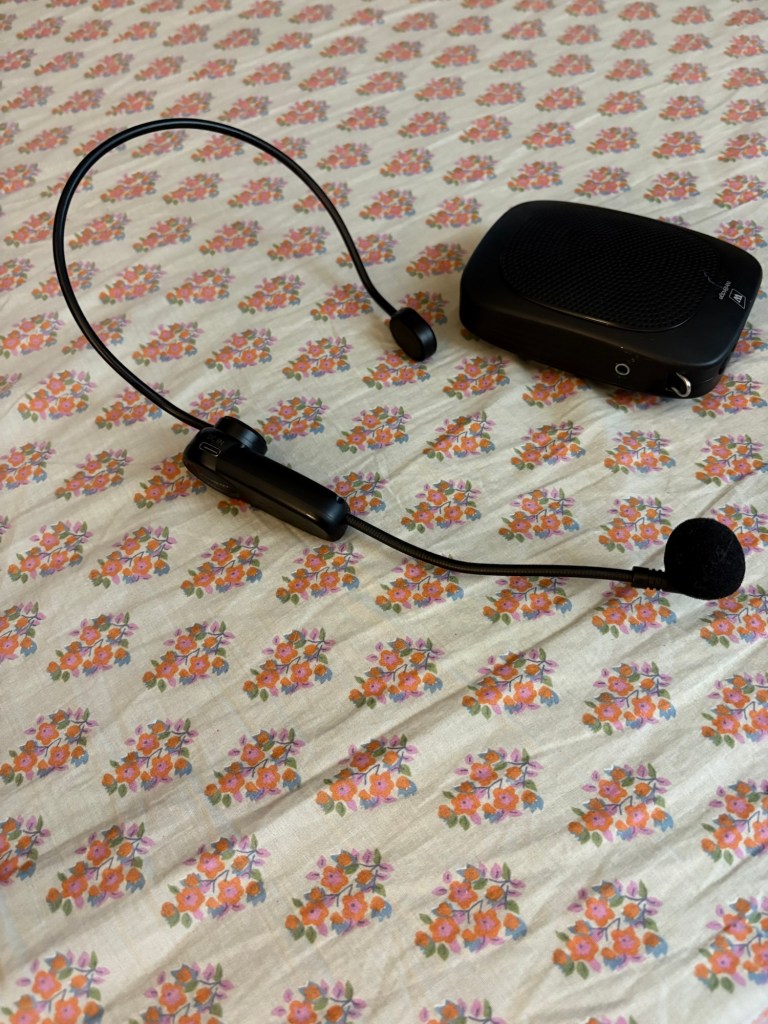
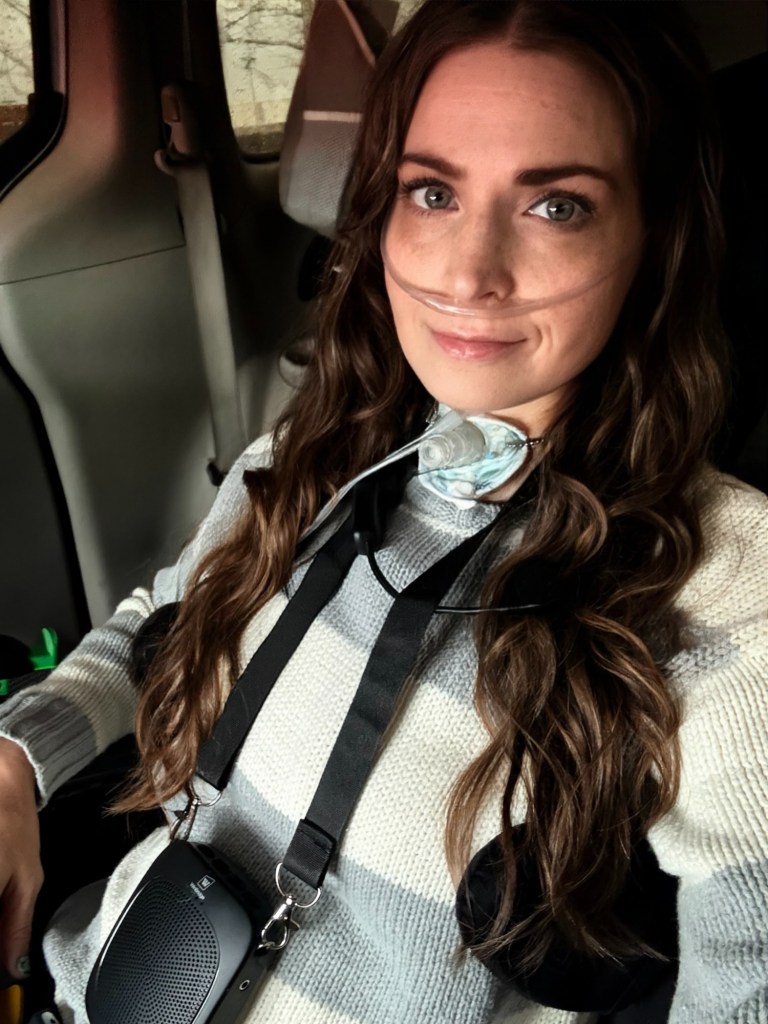
As my muscles weaken and I spend more time on my ventilator, my voice is fading as well. After much frustration trying to gather enough breath to make myself heard, especially from another room, we came up with a new solution.
I was delighted that with my new amplifier I can easily be heard, even in my softest voice. It saves me a lot of breath, and makes it easier for the people around to understand me.
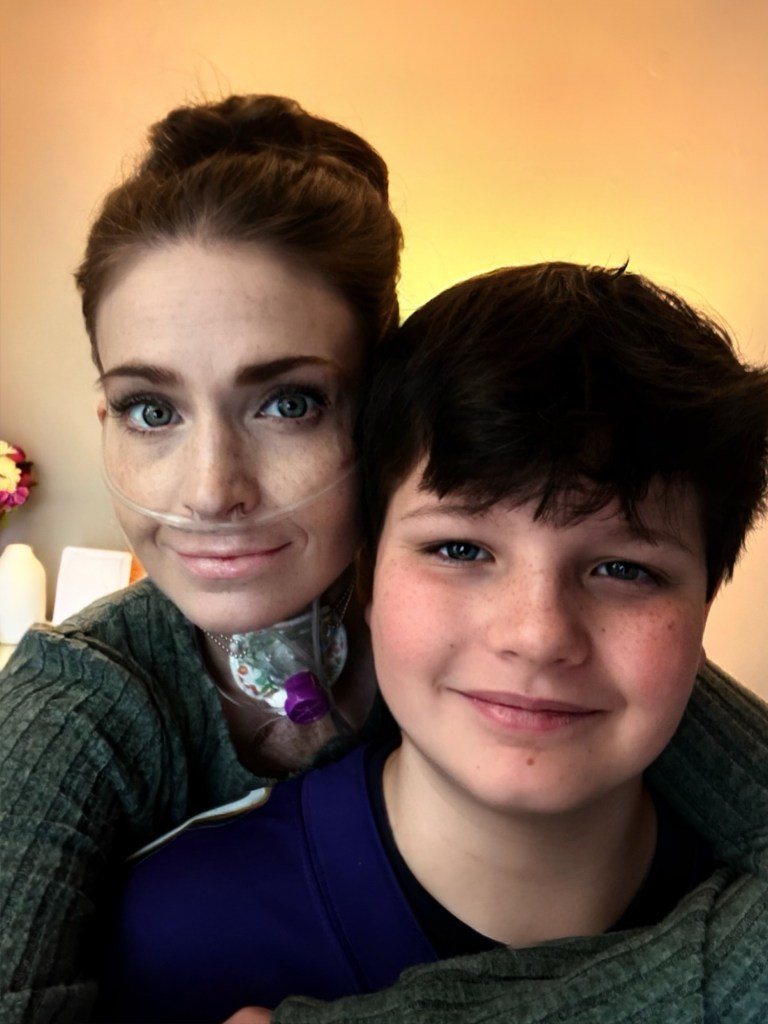
However, this didn’t necessarily go over well with everyone. When my young son saw the demonstration of my new device his eyes widened. “Please do not EVER use that in front of any of my friends.” Ahh, I’ve seen this hard embarrassment before. It happened when I initially needed a machine to support my breathing, and it happened when I first started using a wheelchair. Whenever we were headed somewhere, he would ask, “are you bringing your vent? Are you bringing your chair?” Earlier on I was able to provide some balance- leaving these behind to make it through short events with him so that he had one less thing to worry over. As my condition has progressed however, these helps are a more constant companion. But here we are with a new player on the scene, and my heart breaks for my boy who just longs for some normalcy.
And so I find myself holding two truths at once. I am deeply grateful for tools that allow me to remain present, to speak, to be heard, to stay connected to the people I love. And I am also grieving alongside my son, who did not ask for a mother whose body requires so much explaining.
His embarrassment is not cruelty. It is not rejection. It is the ache of a child who wants to blend in, who wants his world to look like everyone else’s, who is already carrying more than his fair share of difference. I recognize that look in his eyes—the same one I’ve seen when strangers stare too long, when friends ask questions he doesn’t know how to answer, when he realizes yet again that our family does not move through the world unnoticed.
So I try to meet him with gentleness. I remind him that it’s okay to feel this way. That loving me doesn’t mean loving every machine that keeps me going. That embarrassment and compassion can exist in the same heart. I tell him that these devices are not symbols of failure, but of persistence—that they are the reason I can cheer for him, listen to his stories, and whisper “I love you” at the end of the day.
And I also do the harder work of letting go of the bargain I once tried to make—of believing I could soften this for him by minimizing myself. I am learning that my job is not to disappear to make life easier for those I love, but to model what it looks like to live honestly within limitation, without shame.
One day, I hope he will remember not the sound of the amplifier or the sight of the tubes, but the way we kept showing up for each other anyway. I hope he will know that his mother did not give up her voice—even when it came out differently than before.
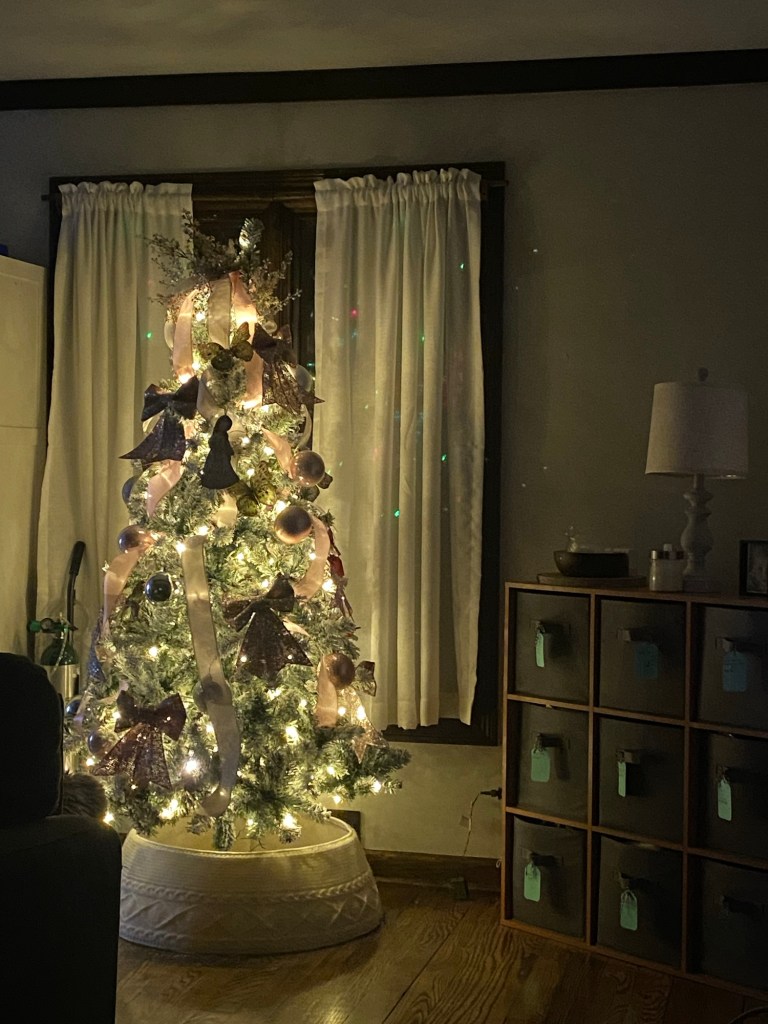
Last night my son and I laid near the soft glow of the Christmas tree, and talked as we have many nights at bedtime. We talked about all the typical things; what the bullies said to him at school today, why of all the people in the world did God allow me to be sick, and will the doctors tell us ahead of time when I am about to lose my voice, or will it just disappear without warning. I walked him through the emotions he feels about each of these things, and then we moved on through our bedtime routines.
It was after he was quiet for the night that it hit me how abnormal our normal is. I thought about my friends around town also tucking their littles in for the night, but their bedside conversations being about things like vacation plans, what they want in their lunch tomorrow, or what park or fun store they should visit after school the next day.
The unfairness rose quickly—that our conversations are rarely frivolous, that heaviness so often sits between our words. But as I lingered in the comparison, gratitude surprised me. I am not who I once was, and I’m thankful for that. This life has trained my eyes to notice what is delicate and fleeting, like the fine frost etched along the glass. The former version of me, busy and strong, would have overlooked it all.
I lingered by the lights that night before bed. Soaking in their soft, twinkly glow. Inhaling the last whiffs of an evergreen candle burned earlier in the evening. And in that quiet, I realized that this is how God has been teaching me to live now—slowly, attentively, reverently. My life has been narrowed in many ways, but it has also been clarified. When your world gets smaller, the meaningful things grow louder. The sacred becomes harder to ignore.
I don’t wish this road on anyone, least of all my child. I would give anything to lighten what he has to carry, to let him worry about ball court drama instead of disease progression. And yet, I can see how tender his heart has become. How perceptive. How brave. He asks questions some adults avoid for decades. He feels deeply, and he is learning that feelings— even the heavy ones— are survivable when they are shared.
Our conversations may not be light, but they are honest. They are full of connection. They are full of presence. There is a strange gift in knowing that tonight matters. That this voice, this body, this moment is not guaranteed tomorrow. It presses love into sharper focus.
As I finally turned off the tree and made my way to bed, I carried both grief and gratitude with me. Grief for the ease we’ve lost. Gratitude for the depth we’ve gained. I don’t think one cancels out the other. I think they coexist, braided together, teaching me how to hold joy without naivety and sorrow without despair.
This is not the life I would have chosen. But it is the life I’ve been given. And within it—between bedtime prayers and flickering lights, between hard questions and small mercies—there is still so much beauty to behold.
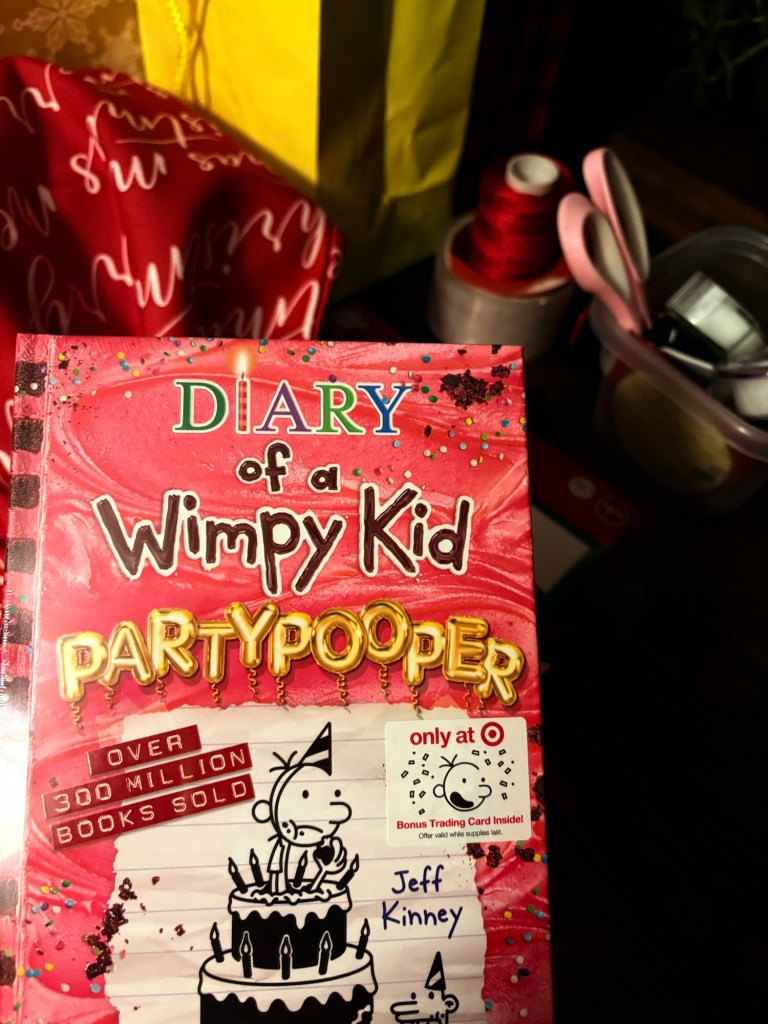
My youngest turned 13 earlier this week. Somehow I managed to get through that day and several more before it really hit me. My youngest baby is a teenager! The exact time this news caught up with my heart and my tears was the night before Christmas as I finished up my gift wrapping.
I picked a book from my stack of gifts and slid the scissors along the wrapping paper to measure just the right size piece. I had been excited to come across a newly released book in the series my boy enjoyed. But as I creased the paper around the edges of the book I suddenly stopped. Why on earth am I gifting him this? Not only does he not enjoy reading, he hasn’t been into this book series for THREE YEARS!
Suddenly a flood of tears coursed uninhibited down my cheeks, as I realized this purchase had simply been a misguided attempt to ignore the fact that time was stealing away the years, and grasping at anything to freeze the moments in time.
I stood there for a long moment, hands resting on the paper, staring at a version of my son that no longer exists. The boy who once devoured those stories on the couch, legs tangled in blankets, asking me just one more chapter, please. That boy has been quietly, faithfully growing up while I wasn’t looking.
I finished wrapping the gift anyway, tears dropping onto the tape and ribbon, because motherhood doesn’t stop when our hearts ache. But something shifted in me. I wasn’t just mourning a book choice—I was grieving a season. The small hands. The loud laughter over silly plots. The years when his world was simple and I was still his safe place for everything.
Thirteen feels like a threshold. Not a door slammed shut, but one gently closing behind us while another creaks open ahead. He is becoming someone new—someone with opinions, independence, and a future that will carry him farther from my daily reach. And I’m proud of him. Deeply. Fiercely. But pride doesn’t cancel grief. They coexist, tangled together in the quiet moments, like Christmas Eve tears over wrapping paper.
I know this won’t be the last time I grieve the passing of who my children once were. Motherhood is a series of goodbyes disguised as growth. We celebrate the milestones, take the pictures, bake the cakes—while our hearts lag just a step behind, trying to catch up.
So this Christmas, I’m letting myself feel it. I’m releasing the little boy I tried to buy back with a book, and asking for grace to love the teenager standing in front of me now. To learn him again. To meet him where he is, not where I wish time had paused.
And maybe that’s the real gift of this season—not holding tighter to what was, but opening our hands to what is becoming.
There’s a sacredness to suffering that not everyone understands.
When someone is walking through the deep waters—when every breath feels borrowed and every day is held together by grace—questions can become sharp without ever meaning to be. Have they given you a timeline? What treatments are they trying next? How bad has it gotten? Have they told you when they expect you to die?
Some of those seem atrocious, but they are questions we have actually answered had to field at one time or another. Sometimes these questions slip out clothed as concern, but they land like cold hands on tender skin.
Curiosity is not the same as caring. Curiosity wants information. Caring wants presence. Curiosity circles around pain to peer inside. Caring steps into the shadows and sits down beside you. Curiosity tries to relieve its own unease. Caring is willing to feel uncomfortable just so you don’t feel alone.
I’ve learned there is a holy difference.
I don’t mind sharing pieces of my journey—there is beauty, even here, and God’s fingerprints are everywhere. But when the conversation turns to timelines for my dying or details of treatments that stretch my limits just to endure… that crosses into a territory my soul guards carefully. It’s not because I’m ashamed or afraid. It’s because this is holy ground for me and my family. We are living it, breathing it, praying through it. I am learning to trust God in the dark, and trust is fragile when handled carelessly.
What I welcome—what I desperately treasure—are those who choose presence over answers.
The ones who say, “I’m here.”
The ones who quietly hold space when the tears come.
The ones who don’t need to know the forecast of my future to love me faithfully in my present. The ones who walk with us without needing to understand every detail of the valley. This is the love that looks like Christ.
He never demanded explanations from the suffering. He didn’t ask the bleeding woman for her medical history or the blind man for an exact timeline of his decline. He simply came close. He touched. He healed. He stayed.
He showed us that compassion doesn’t interrogate—it accompanies.
And so we lean into the nearness of God and into the arms of those who reflect Him, the ones who simply show up. The ones who see us instead of studying us. The ones who offer presence instead of probing questions.
If you want to walk beside me, you don’t need to understand every piece of what’s happening. You don’t need updates or timelines. You don’t need the painful details.
You just need a willing heart and a steady step.
Sit with me. Pray with me. Laugh with me. Hold hope with me when I’m tired. Remind me that God is still good, still here, still leading us home.
Curiosity might reach for facts, but caring reaches for hands.
And in this season, hands—and hearts—are what hold me up.
I knew this Thanksgiving wouldn’t look quite like the ones we’ve tucked into memory. The calendar had to shift to fit kids’ work schedules and scattered availability. I had to recruit a backup cook because my strength simply couldn’t stretch far enough to carry a full Thanksgiving meal this year. And my husband had to bow out entirely when he scheduled a double knee replacement just days before the holiday.
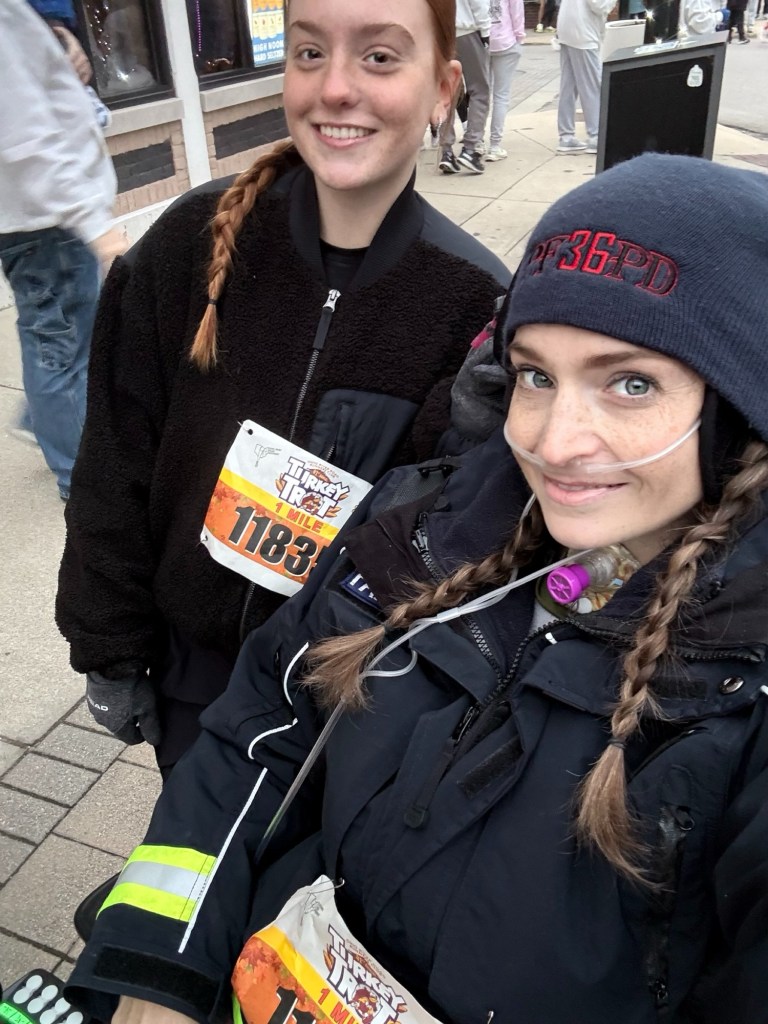
Yet somehow, none of that made the week dull. I still managed to lock the keys in the car, faint while helping my husband and earn myself an ambulance ride—and a fresh set of stitches. And in true last-minute fashion, I found myself stepping in for friends and running the 8:30 a.m. Turkey Trot in thirty degree weather on Thanksgiving morning.
But today has been its own kind of glory—bundled in the cold, then thawing out in a warm, cozy house filled with the people I love. MarioKart championships, board games scattered across the table, quiet naps under soft blankets. It has been simple, chaotic, and beautiful.
I have more to be thankful for than words can hold. And as I count the blessings I can see—and the many I can’t—I’m lifting my gratitude upward. I pray you’re doing the same today, giving thanks to the One who fills our lives with mercies new every morning and goodness we could never deserve.
Happy Thanksgiving, friends. May your hearts be full and your eyes open to every grace He has poured out.
Being a friend of someone with terminal illness must be quite the roller coaster. I’ve had the privilege a few times, but never for so long a stretch of time as my illness has asked of my tribe. That in itself is a beautiful gift, but the cost of it is also not lost on me.
Being a friend of someone with terminal illness must be quite the roller coaster. I’ve had the privilege a few times, but never so long a stretch of time as my illness has asked of my tribe. That in itself is a beautiful gift, but the cost of it is also not lost on me.
There’s something both sacred and sorrowful about watching friendships move through the seasons when you are the one who is dying. In the beginning, the circle is wide — full of love and meals, visits and prayers, the kind of tender urgency that comes when people don’t yet know what to do but feel compelled to do something. It’s a holy flood of kindness, and it humbles you to your core.
But time, as it does, stretches. Months turn into years, and the edges of the circle shift. Some friends drift quietly into the background, not because they stopped caring, but because life resumes its relentless rhythm. Kids grow, careers change, and the crisis that once felt immediate now lives in the quieter corners of their awareness.
And honestly? I get it. I’ve been that friend before too — before this diagnosis rewrote my sense of time. I’ve meant to reach out and didn’t. I’ve avoided pain I didn’t know how to face. I’ve loved someone deeply and still failed to show up in the way I wish I had. So I hold that understanding now with open hands and no resentment, just a bittersweet ache that love sometimes outlasts proximity.
What’s left are the ones who stay through the long middle — not just the early crisis or the final goodbye, but the drawn-out, unpredictable middle where the reality of terminal illness stops being dramatic and just becomes life. They sit with me in the mundane. They ask the unglamorous questions. They know when to come close and when to give space. They’ve learned that faithfulness doesn’t always look like constant presence, but steady presence.
And then, there are those who come back — friends who circle in again after time away, sometimes awkwardly, often tenderly. Their return feels like mercy. It reminds me that love isn’t linear; it’s tidal. People ebb and flow in and out of each other’s lives, and that movement, too, can be grace.
I used to think loyalty meant never leaving. Now I think it means being willing to return.
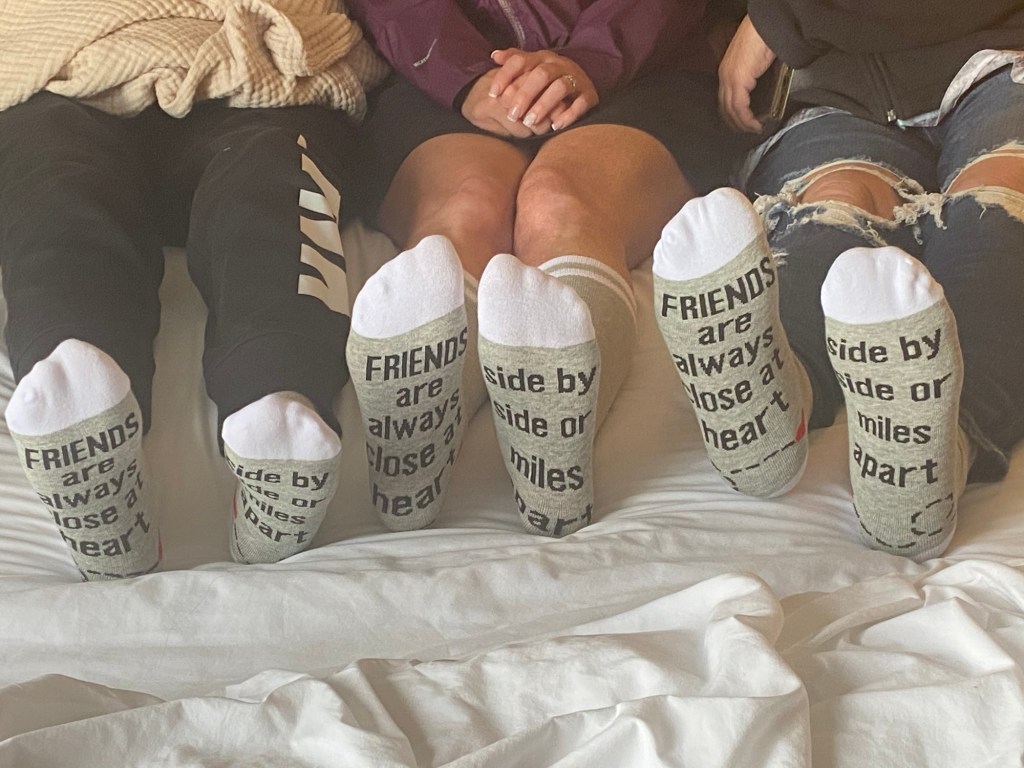
So to my friends — those who have stayed, drifted, returned, or simply remembered me from afar — please know this: your love has carried me. Every text, every silence, every prayer whispered when you didn’t know what to say has mattered.
Illness has taught me that friendship isn’t measured in constant nearness but in the threads of care that remain, even when time and distance stretch them thin.
If I could sum it up, I’d say this: the seasons of friendship are not a sign of failure, but of humanity. And what a fragile, beautiful, sacred thing it is to be human together — even in the shadow of goodbye.
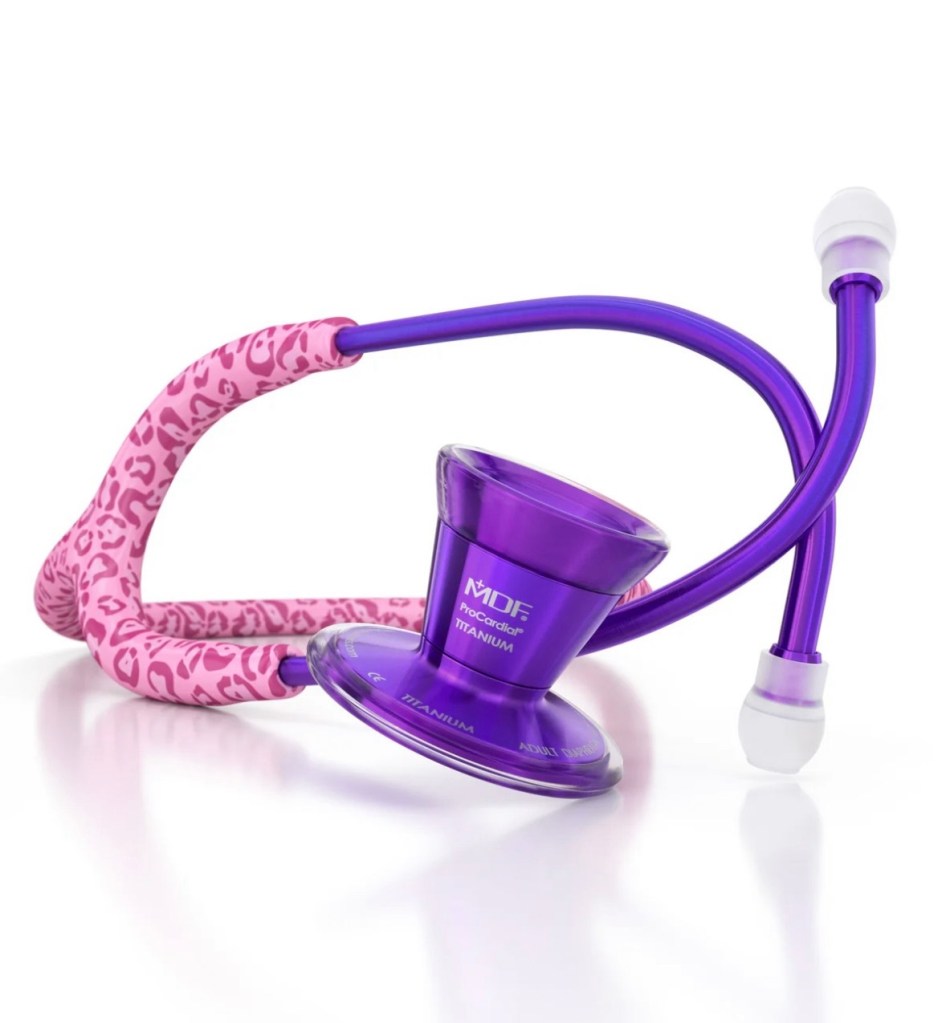
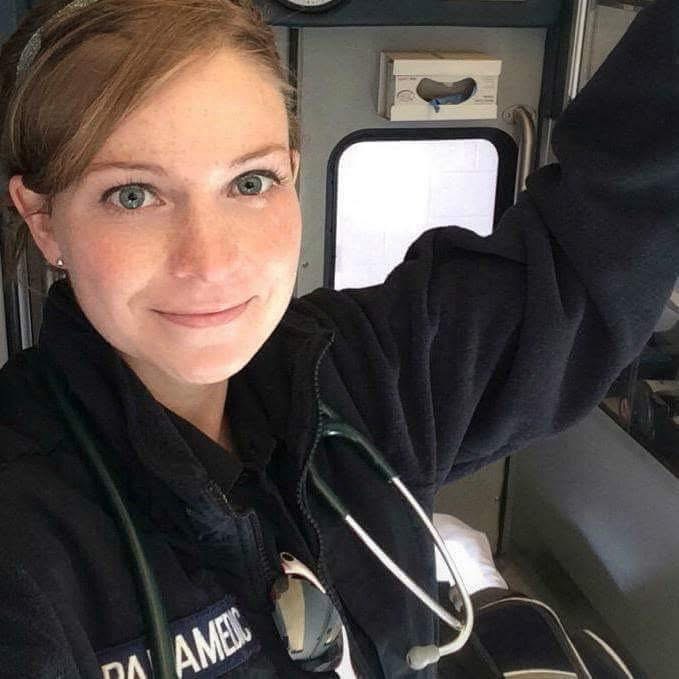
I reached for distraction—scrolling through ideas for Christmas gifts for my people. When I searched for something for my young STNA/up-and-coming physician, I stumbled upon a site selling the most beautiful stethoscopes I’d ever seen.
Colors like jewels.
Patterns like joy.
One in particular caught my eye—a swirl of pink animal print and sharp, gleaming purple— shining with all things girlish and lovely. And for a brief flicker, right before unconscious thought becomes awareness, I mused, “this is the one I’ll ask for next time.”
But then—
my heart caught up to my body.
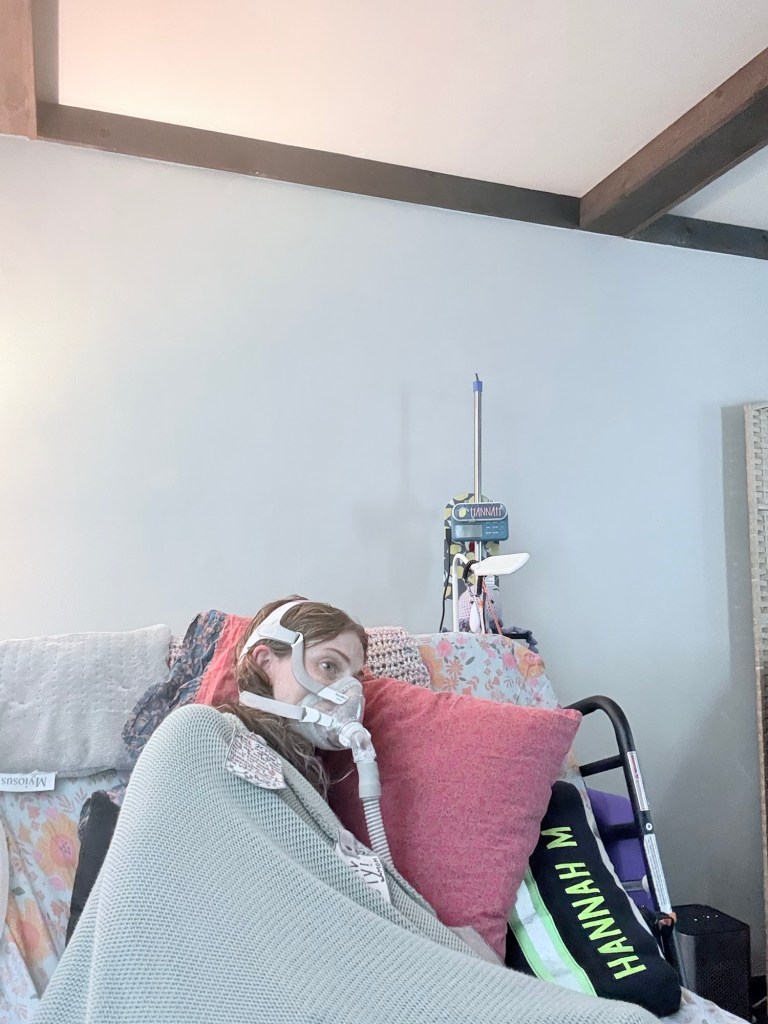
And I remembered where I was sitting: in my hospital bed at home, a ventilator mask pressed against my face, small plastic cups of pills lined neatly beside me, guarding against the next wave of breathless panic.
In the thick, holy silence of 2 a.m., I swear I heard the sound of my own heart dropping back into the deep, heavy truth of reality.
I will not be needing a new stethoscope.
Not now, not ever.
No more pressing the cool bell to a grandmother’s arm, listening for the soft rhythm of life beneath her paper-thin skin.
No more playing peekaboo with wide-eyed children, pretending it’s a game while I listen carefully to the music of their lungs.
Those days—those glory days—hang preserved behind glass, my green stethoscope draped like a memory across the frame. The strength that once carried me into the chaos of sirens and smoke has long since ebbed away, leaving behind a body most people only know in its fragility, not its former fire.
Suffering has a way of testing what our hearts truly believe.
It presses heat against the places where we’ve built our sense of strength.
And when suffering comes for the strong, it is often met with anger—
not at the pain itself, but at the theft of power.
On my hardest days, I don’t find myself begging for suffering to stop.
I find myself begging for strength to return.
That’s the honest prayer.
Not fewer storms—just stronger arms to stand in them.
And yet, even that desire reveals how frail my own strength really is.
Paul puts it even more vividly;
“We always carry around in our body the death of Jesus, so that the life of Jesus may also be revealed in our body.” (2 Corinthians 4:10)
We love strength.
We polish it, parade it, protect it.
And when it’s gone, we question the goodness of God.
But I am learning—slowly, painfully—that the taking of strength is grace.
Grace that empties my hands of what I thought I needed,
so that I might cling more tightly to Jesus.
Now, as I face this new season of weakness,
with tiny bursts of ability to go and do,
I ask myself: how will I use this small strength?
I’ve been praying—for hunger on my well days.
For Scripture to taste sweeter.
For my heart to grow restless for the things of God.
For apathy to break, for grace to deepen.
And when suffering returns—as it will—
may my heart be ready to receive it.
To whisper, thank you, Jesus, for entrusting me with this new hard.








 Choosing Hope