
When you’re first diagnosed with a terminal illness, there’s often a flood of support—texts, calls, check-ins, care packages. People cry with you. They tell you they’re here for anything. They swear they won’t disappear.
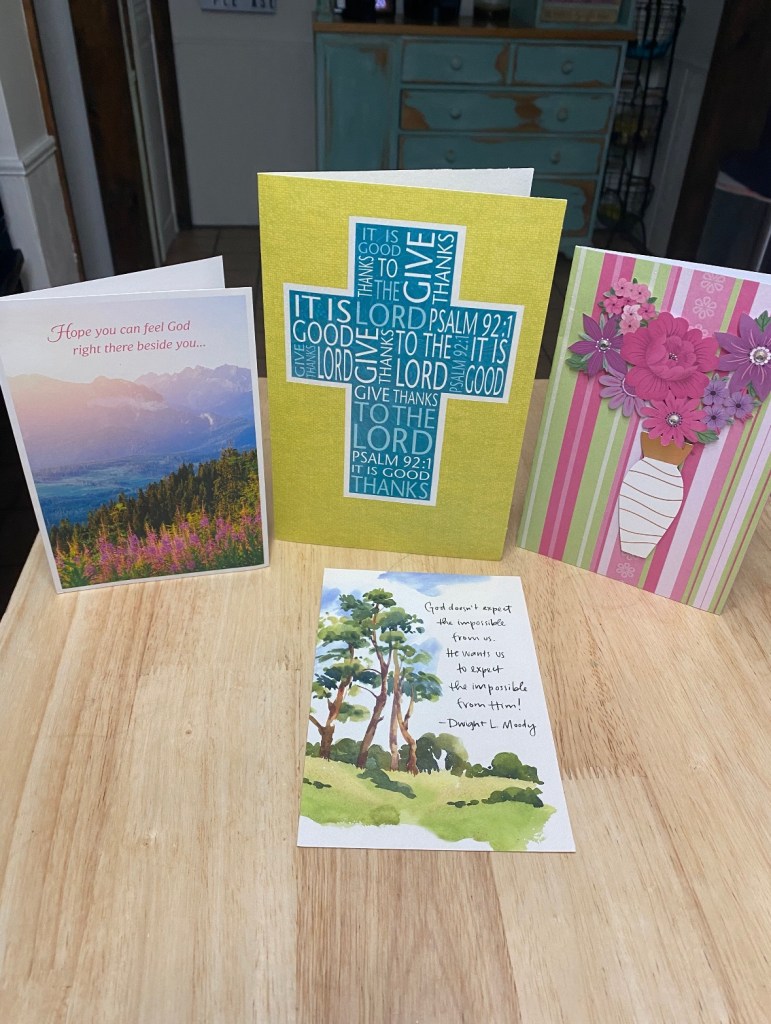
Time moves on. So do they. There are seasons to our lives, and some people who may have been able to be more present in the beginning do not have the time and flexibility in this next season they are in. Perhaps others who weren’t available initially are now able to be more present as they enter a slower season of life.
What no one tells you is that terminal illness is not a straight descent. It’s a long, unpredictable goodbye filled with plateaus and crashes, slight recoveries and devastating setbacks. It’s not dramatic enough to be a crisis every day, and not gentle enough to be forgotten. It exists in this in-between space that makes people uncomfortable—too serious to ignore, too exhausting to engage with endlessly.
And in that in-between, some people begin to vanish.
Some friends disappear because they don’t know what to say. Others because they think you’ve stabilized and assume you’re doing better. Some perhaps can’t add anything else to their plates. Life, after all, goes on for them: promotions, vacations, weddings, baby showers. They’re not bad people—they’re just busy, or scared, or shy, or not able to confront your pain when they have the luxury of avoidance.

You sit in your room watching the seasons change. Spring arrives with its blossoms and pollen, and you wonder why it feels so far away. Summer blazes through with parties and long days, and you’re still in bed, waiting for a reply. Autumn colors the trees as your medications increase. Winter comes, and it’s the coldest one yet—not because of the weather, but because no one showed up for the last holiday. Or your procedure. Or just to sit with you.
Illness is isolating. Terminal illness is devastatingly lonely.
There are moments when you ask yourself if you’ve done something wrong. Were you not a good enough friend? Did you ask for too much? But deep down, you know this isn’t about blame. It’s about the raw truth that few people are prepared to walk with you through a slow, uncertain ending. <== Read that sentence again.
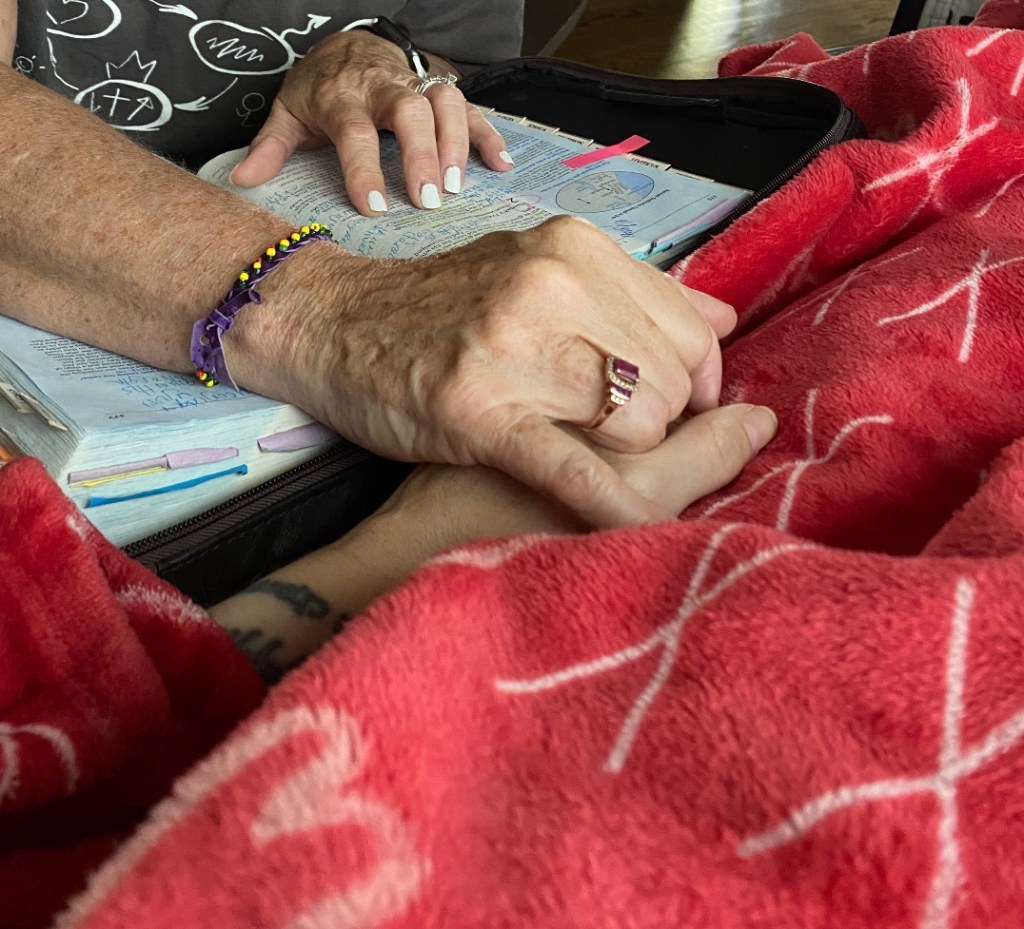
Still, not everyone leaves. There are those rare few who show up without needing to be asked. They don’t bring solutions—they bring presence. They don’t always know what to say, but they sit beside you anyway. Sometimes they bring coffee. Sometimes they just bring quiet. And their presence, however brief, becomes a form of medicine.

If you’re in this season of illness and loneliness, know this: you are not invisible. Your pain is real. Your courage, even when it looks like just getting through another hour, matters. You deserve community, not because you are dying, but because you are still here to be a part of it.
To those watching from the sidelines—don’t disappear. Show up. Even imperfectly. Especially imperfectly. You don’t need the right words. You just need to be willing to stand beside someone in their most human, most difficult season.
Because in the end, what heals us most is not the cure, but the connection.
 Choosing Hope