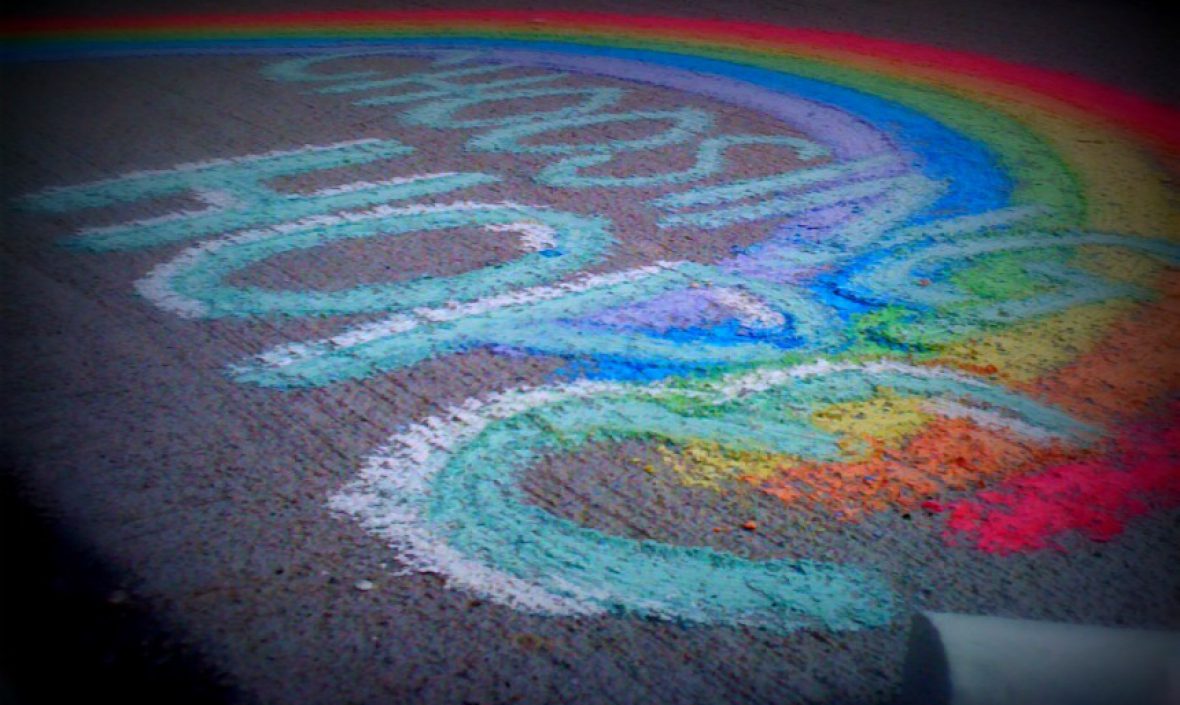
I just want to belong, and I feel like I don’t.
I want to embrace community in the same capacity I did when I was well, but the truth is it’s not the same. People feel awkward around me, and I’m embarrassed that that’s what I bring to the table. People look at me with my glaringly obvious physical struggles, and they don’t know what to say. They’ve been carrying a difficult thing this week, but when they measure it against the ticking time bomb of my terminal illness, it feels insignificant, so they minimize their struggle and choose to talk about nothing.
Friends. Family. Random strangers who happen to be reading this… there is a fundamental truth I learned when I buried my daughter that holds true like the steady, blazing colors of a war-torn flag. Hard is exactly that; HARD. We shouldn’t be comparing hards, because there just is no comparison.
With the fresh wounds of having stood at the cavernous edge of my daughter’s grave, I heard things like, “I know how you feel, because my child got pneumonia and had to be in the hospital, and it was awful.” Or, “I know what you’re going through; I still haven’t gotten over losing my dog last Spring.” I watched the moving lips of these stories, but the sound was deafeningly absent because of the noise of what rose up inside of me. I seethed.
How could you compare something like that to what I was going through? And then I learned something crucial to understand. My hard is the worst thing that has happened to me thus far. Your hard is the worst thing that has happened to you thus far. You may not be able to relate to my exact story, because you haven’t been there, but you have your own story where you have experienced the most awful thing so far, and it rocked your world and shook your faith, and left you standing with gaping wounds you didn’t know how to patch yet. And that is where we find common ground. It is inevitable that we will all walk through earth-shattering hard things at some point, and when we come to those trials we each gain a little more compassion and understanding that we didn’t have before.
And maybe that is what I have been missing when I feel like I don’t belong. Belonging was never meant to come from having the same circumstances, the same bodies, the same stories, or the same kind of pain. It comes from being willing to sit beside one another in the places we don’t understand and say, “I may not know exactly what this is like for you, but I know what it is to hurt. I know what it is to be afraid. I know what it is to need someone to stay.”
So please don’t measure your pain against mine before you bring it to me. You don’t have to apologize for having a bad day because my days are hard. You don’t have to hide your grief because mine looks bigger from the outside. Your sorrow does not become less worthy because someone else is carrying something heavier. There is room at the table for all of it.
And if you don’t know what to say, you don’t have to fill the silence with a comparison. You can simply tell me the truth: “I don’t know what to say, but I’m here.” You can tell me about the thing that broke your heart this week. You can let me be more than my illness. You can remember that I am still a person who wants to laugh, listen, complain, celebrate, and care about the ordinary things that make up a life.
I am not asking anyone to pretend that my circumstances are ordinary. They are not. I am asking to be met as a whole person inside of them.
I want to belong—not because my life is easy, and not because anyone can make this hard thing disappear, but because I am still here. I am still loving. I am still reaching for connection with whatever strength I have left. And maybe belonging is not found in the absence of awkwardness or pain. Maybe it is found in the brave, imperfect choice to stay present anyway.
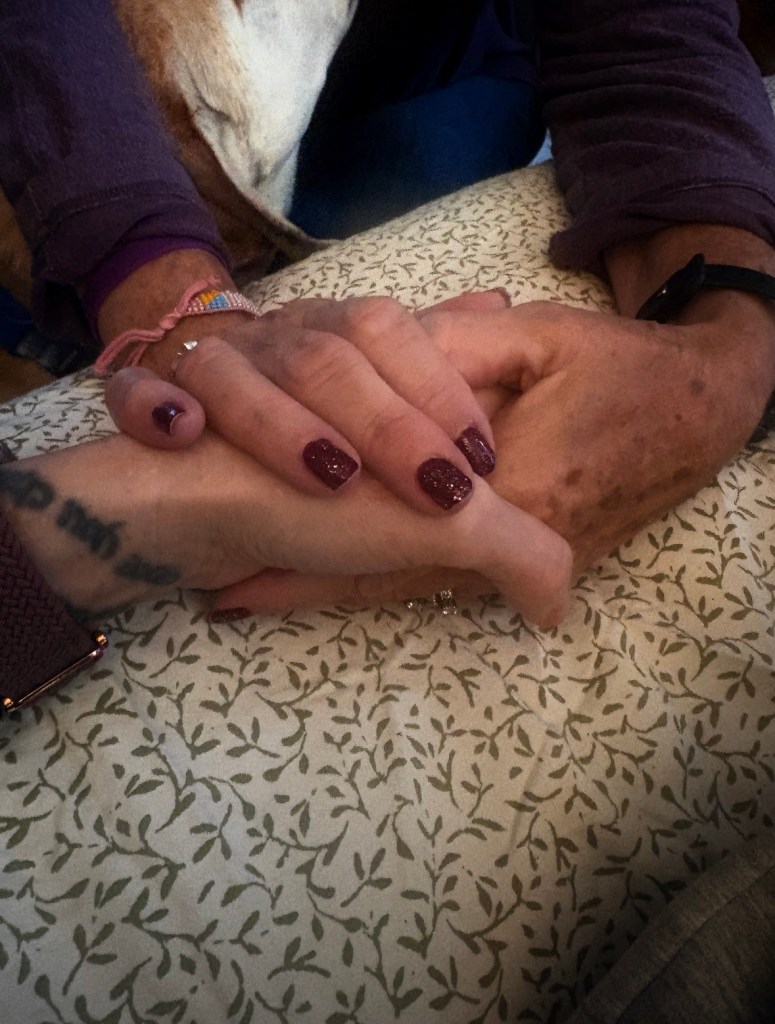
So bring me your hard. I will bring you mine. We don’t have to compare them. We can simply sit together beneath the weight of them, reminding each other that neither of us has to carry it alone.


Hannah, this truth is profound and the secret to fellowship in difficult places. What a blessed reminder not to compare, and not to envy, and not to diminish our own difficulties out of some sort of compassion that would rob another of the opportunity to listen and express loving support.
May the Lord`s love wash away all the bitterness and awkwardness that would rob us of full fellowship with those we love and care for.
Thank you for sharing this profound truth! God bless you.
Craig
LikeLiked by 1 person
Thank you Craig!
LikeLiked by 1 person