
There’s a particular kind of loneliness that comes when you realize people are already grieving you—even though you’re still here.
You can feel it in the way conversations change.
In the pauses that linger a little too long.
In the careful tones, the lowered expectations, the way plans quietly stop including you.
It’s as if, in their minds, you’ve already crossed a threshold that your body hasn’t yet stepped over.
People don’t always do this out of cruelty. Often it’s fear. Sometimes it’s love mixed with helplessness. Sometimes it’s their own attempt at self-protection—beginning the goodbye early so it won’t hurt as much later. But no matter the reason, the result can feel the same: you’re treated like a memory while you’re still breathing.
And that hurts in a way that’s hard to explain.

Because you are still here.
You still think, feel, hope, laugh, get irritated, change your mind.
You still want to be seen as a whole person—not a fragile symbol of loss.
When people grieve you too soon, it can feel like being erased in real time. Like parts of you are being gently set aside, boxed up, and labeled past tense. You notice fewer questions about your opinions. Fewer arguments. Fewer expectations. A subtle withdrawal, masked as kindness.
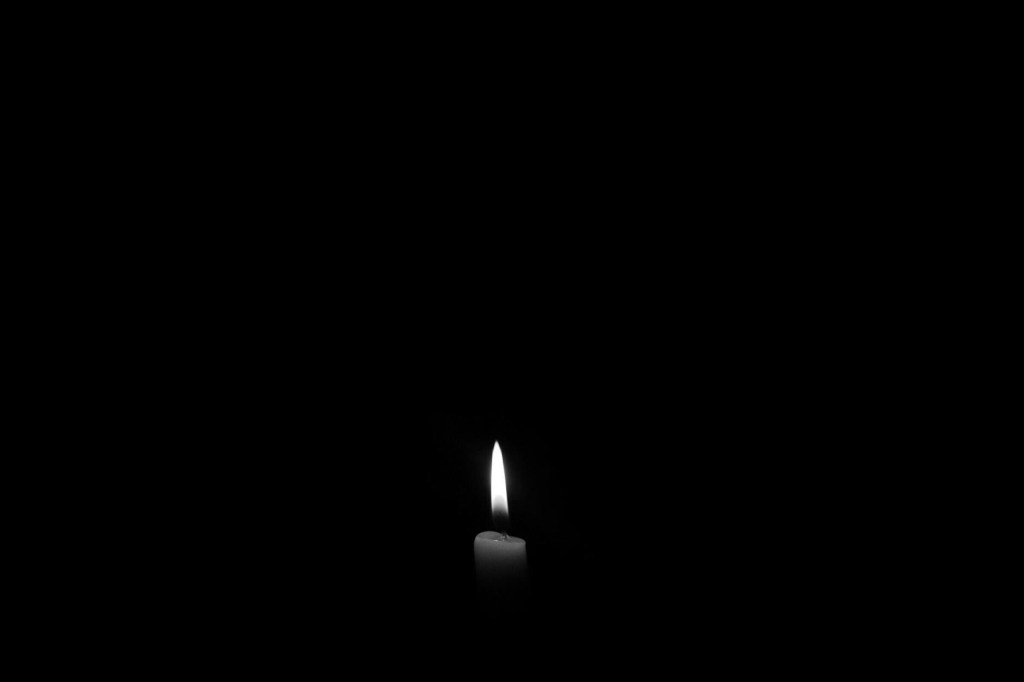
A dimming of the flames that used to be the most meaningful light to you.
There’s a quiet injustice in that.
Because anticipatory grief may prepare them, but it isolates you.
It can make you feel like you’re standing at your own funeral, listening from the back of the room, wondering when someone will turn around and realize you’re still part of the conversation.
What many people don’t understand is that being alive—even with a terminal diagnosis, even with uncertainty—still means living. It means wanting connection, normalcy, meaning, humor, and sometimes distraction. It means wanting to be included without an asterisk.
Not as “the brave one.”
Not as “the one we might lose.”
Just as you.
There is a deep ache in watching people move on emotionally while you are still doing the hard work of staying present. Of waking up each day and choosing to engage with the world, even as the world quietly practices letting go.
And yet—there’s also clarity that comes from this place.
You learn who can sit with you without rehearsing the ending.
Who can love you in the present tense.
Who understands that honoring your life doesn’t require stepping away from it early.

 Choosing Hope
Thank for writing that, Hannah! I will always keep that in my mind. I’m never too old to learn some very important life lessons 🥰
LikeLike
Thank you for your encouragement, Marion!
LikeLike
I have seen this happen to my mother due to chronic health concerns. It is heartbreaking 💔
LikeLike
I’m sorry you had to watch that take place too. It’s devastating.
LikeLiked by 1 person
I pray that today is a little better for you. I’m thinking of you.
LikeLiked by 1 person
Thank you!
LikeLike
You are in my prayers little sister.
LikeLike
Keeping your words in mind, thank you for sharing.
We must choose our words wisely, none of us really know how long we have left anyway. Sobering truth.
LikeLiked by 1 person
Hannah,
Thank you for sharing this painful but helpful truth. It is one that many people will find themselves on one side of or the other at some point in each of our lives.
I think we are all familiar with the metaphor of the “lame duck” in positions of authority or responsibility where someone’s term is coming to a conclusion. I had never considered that there might be a similar psychological dynamic at play at the end of our lives. This is both heartbreaking and very helpful.
I pray that the Lord would continue to give you courage and strength to walk this difficult path, and abundant grace that you can show to those around you as they learn how to love you best in this difficult space.
God’s grace and peace to you,
Craig
LikeLiked by 1 person
Thank you for your thoughtful response, Craig!
LikeLiked by 1 person